
Last updated October 31, 2026
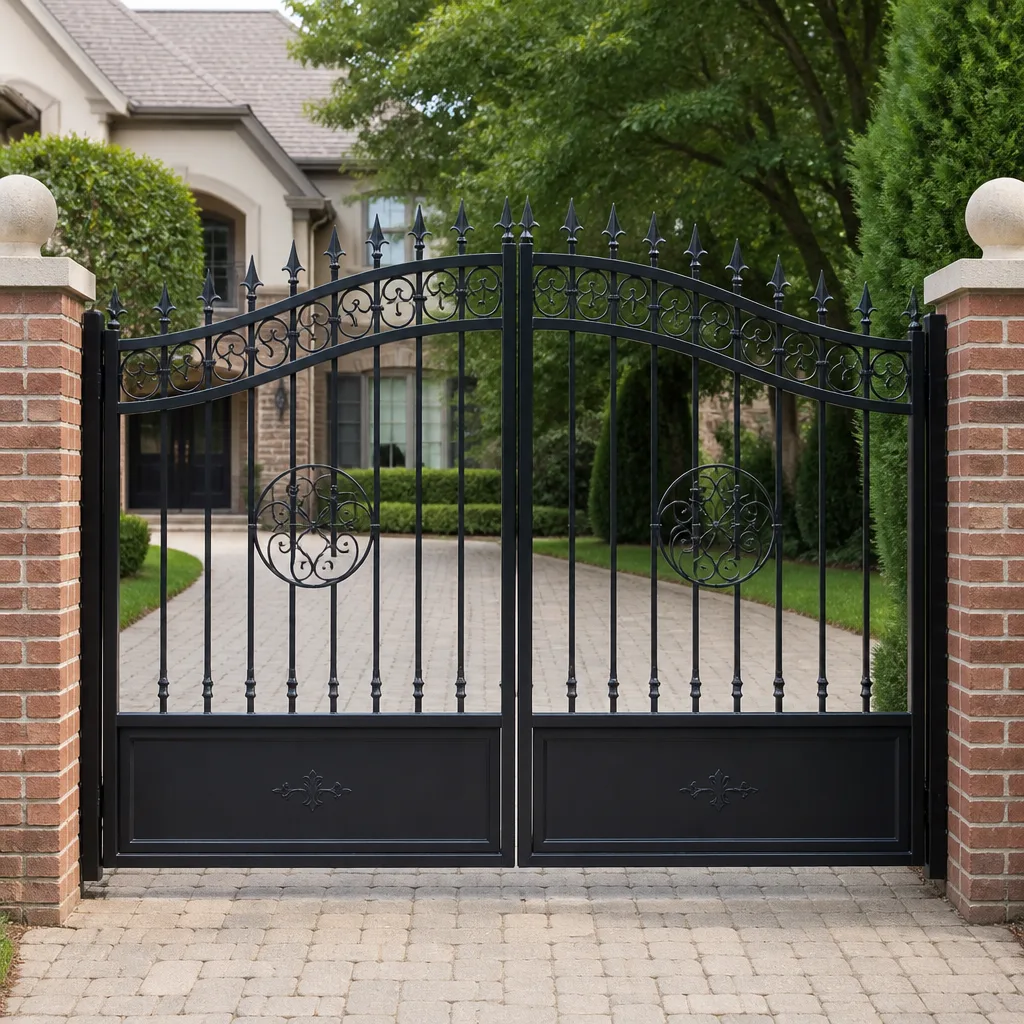 Wrought iron
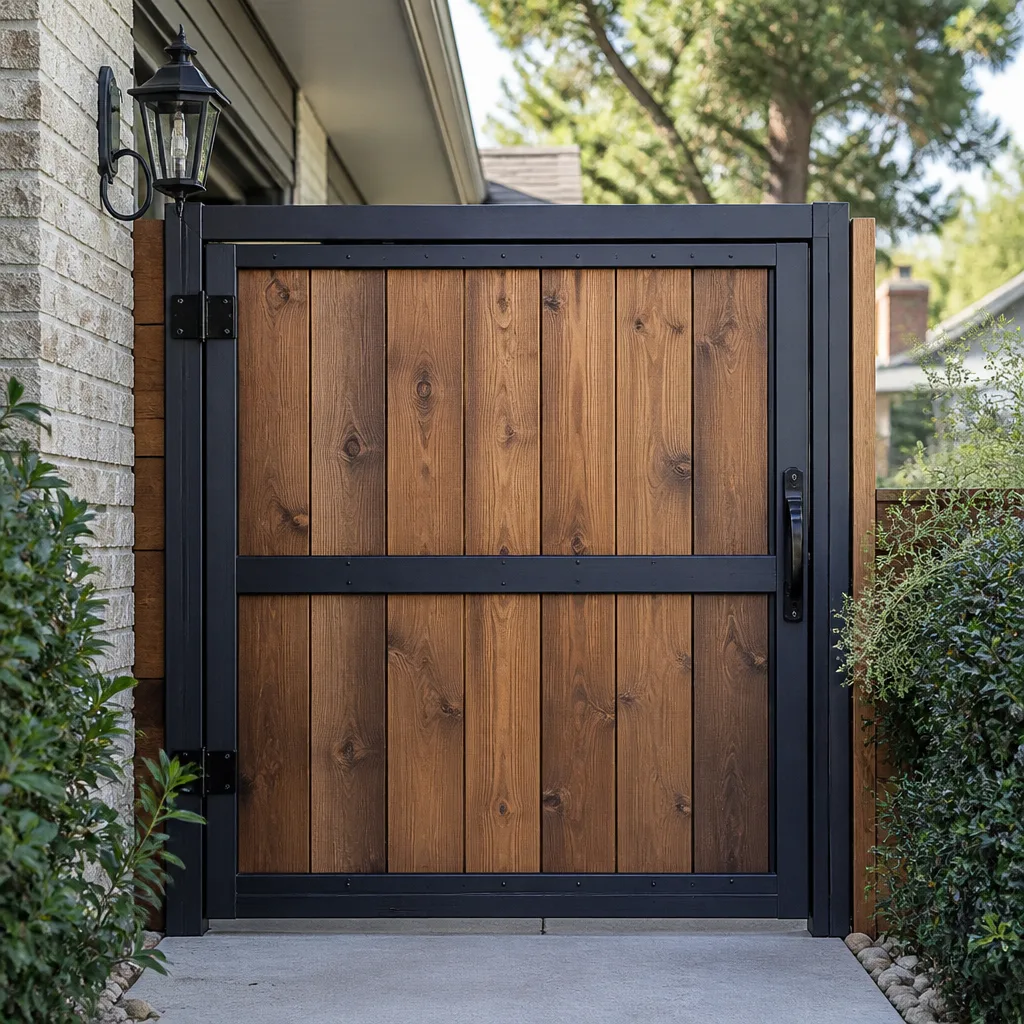 Wood & steel frame
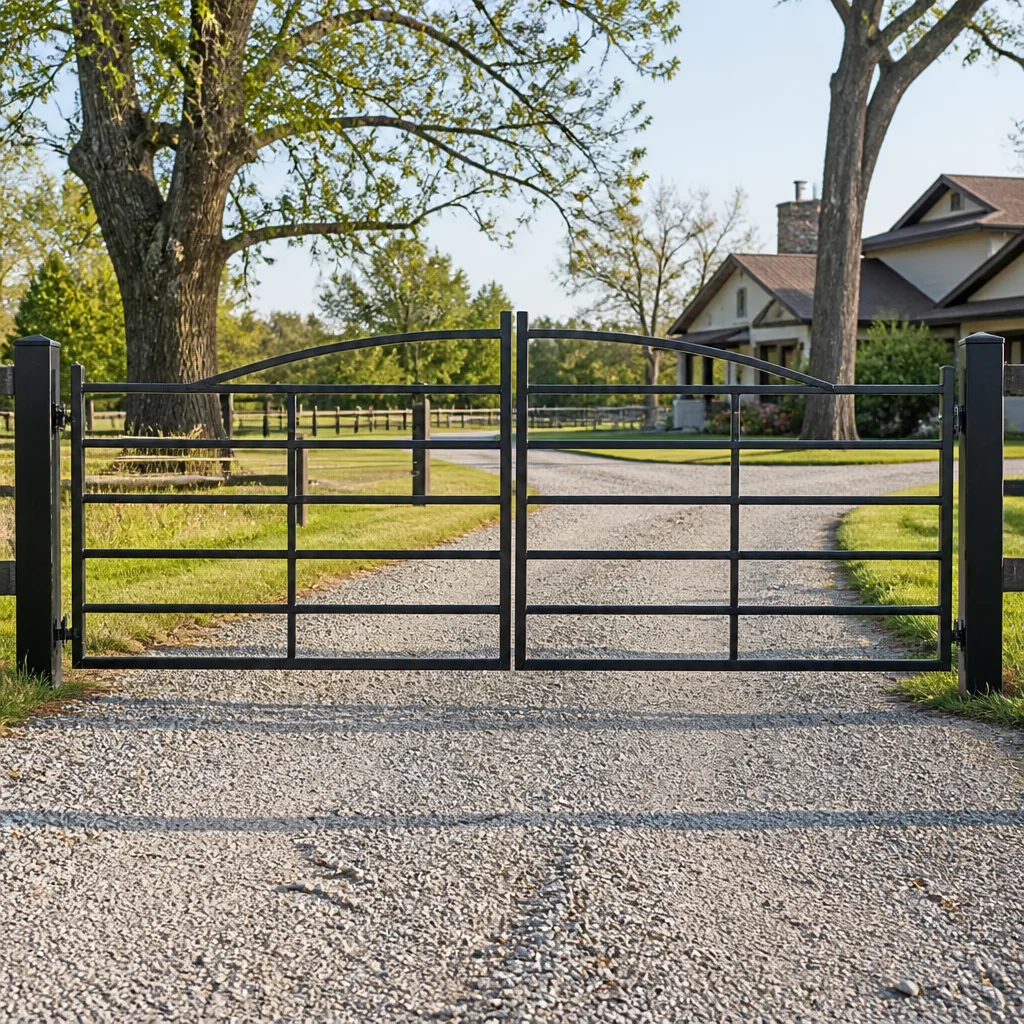 Farm & ranch
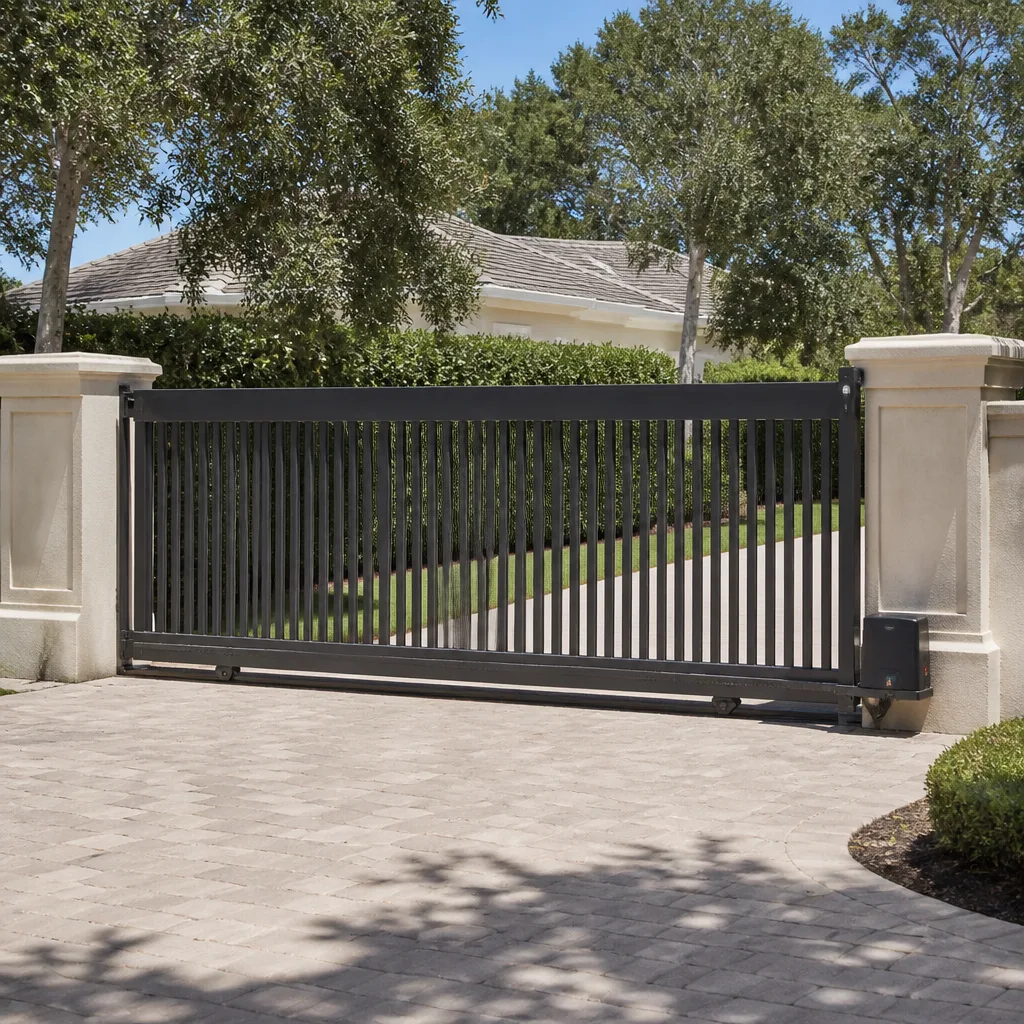 Sliding driveway gates
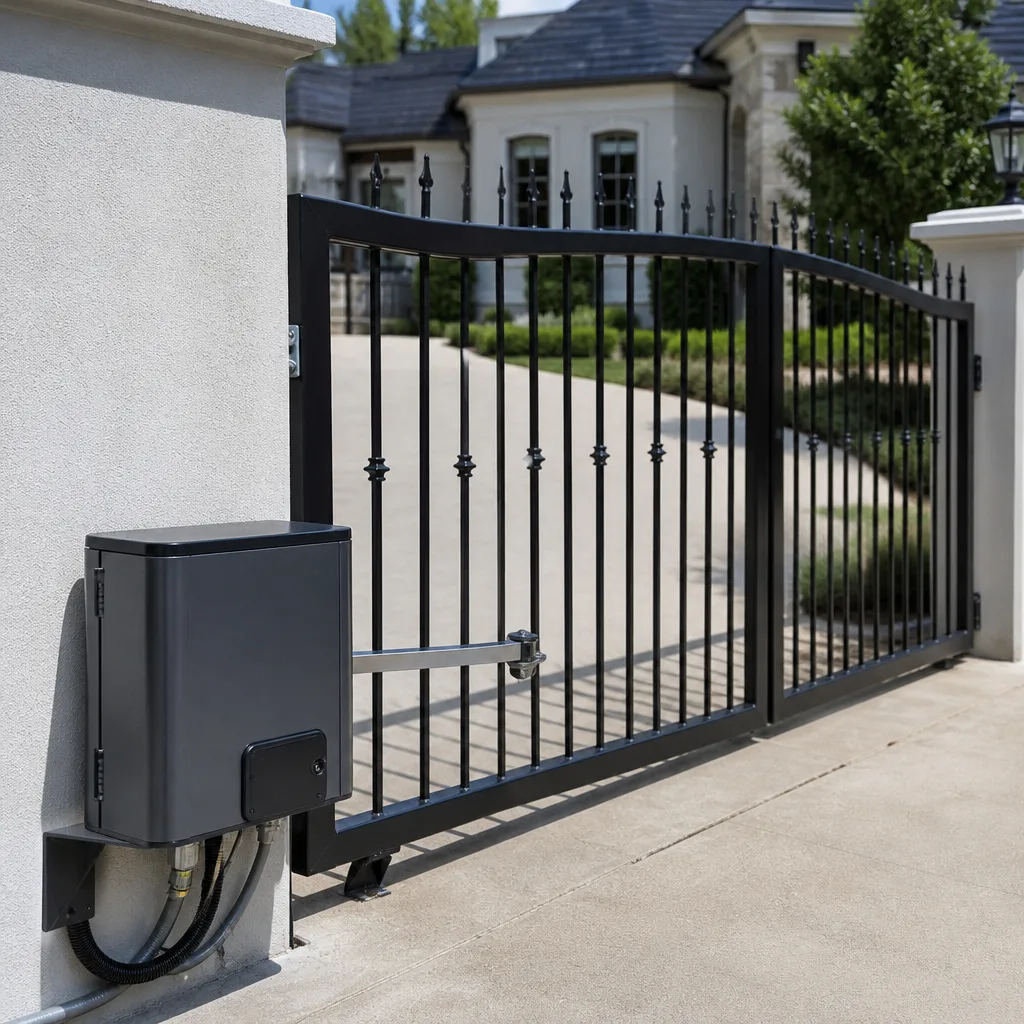 LiftMaster operators
Free on-site gate assessment - hinges, posts, and your LiftMaster or Nice gate operator checked before anything is quoted
The assessment is free and the quote is the invoice.
Get your free estimateGate Repair Troubleshooting: Common Problems and How to Fix Them
Most gate troubleshooting guides start with symptoms but skip the diagnostic logic that determines whether a problem lives in the mechanical system, the electrical system, or the operator’s control board. Treating the wrong layer wastes money. The most common gate repair mistake we see in Fontana isn’t skipping maintenance, it’s replacing a $400 motor when the actual fault is a $12 limit switch that can be adjusted in ten minutes—something our Gate Repair services catch early. This guide gives you a decision-tree approach to isolate the root cause before you touch a single component, so you know exactly what you’re dealing with and when it’s time to call a specialist.
Styles & brands we work with
Quick Answer
Most gate problems fall into one of three layers: mechanical (hinges, tracks, rollers), electrical (wiring, sensors, power supply), or logic (control board, remote programming, safety loops). Start by testing the mechanical layer because it’s free to inspect and causes more symptoms than people realize. If the gate moves freely by hand and power is confirmed at the operator, the fault is almost always in the electrical or logic layer, which is where a multi-brand specialist like Manor Gate Repair earns their keep.
Table of Contents
- The Three-Layer Diagnostic Framework: Where Every Gate Fault Lives
- How to Safely Perform a Manual Release on Electric Gate Operators
- The Five Most Misdiagnosed Gate Problems and What Actually Causes Them
- How to Identify a Failing Control Board Versus a Failing Motor
- The Safety Sensor Check That Resolves 30% of Broken Gate Calls
- Brand-Specific Troubleshooting Notes: Linear, Viking, Ghost Controls, and DoorKing
- How Fontana’s Climate Affects Gate System Failures
- Common Mistakes to Avoid
- When to Call a Professional
- Frequently Asked Questions
- The Bottom Line
The Three-Layer Diagnostic Framework: Where Every Gate Fault Lives
Every automated gate system, regardless of brand, is built from three distinct layers. When a gate misbehaves, the fault is always in one of these layers, and the fix for each looks completely different. A technician who doesn’t separate these layers ends up guessing, and guessing is expensive. Here’s how to think about your gate the way a specialist does.
Layer 1: The Mechanical System
This is the physical structure: hinges, tracks, rollers, wheels, chain, belt, and the gate leaf itself. Mechanical faults are the only layer you can inspect without tools and without touching live electrical components. In Fontana, where summer temperatures regularly exceed 100 degrees, metal expands and contracts daily, which means mechanical components get hammered year-round. Hinges sag a fraction of an inch. Rollers develop flat spots. Track bolts loosen. None of these are electrical problems, but every one of them can make a gate behave like it has a bad motor.
Start every diagnosis here. Open the manual release, if your operator has one, and push the gate by hand across its full travel. It should move smoothly with even resistance. If it catches, binds, scrapes, or feels heavy in one spot, you’ve found a mechanical fault. The motor is probably fine, it’s fighting a physical obstruction it was never designed to overcome.
Layer 2: The Electrical System
The electrical layer covers everything that carries power or signals: the wiring from the breaker panel to the operator, the low-voltage wiring to keypads and safety sensors, the sensor eyes themselves, and the power supply inside the operator housing. Electrical faults are the second-most common layer we deal with in Fontana, and they often masquerade as something worse. A corroded wire connection on a safety sensor will make a gate reverse mid-cycle, which homeowners frequently misattribute to a failing motor.
The key diagnostic question for this layer: does the operator have power at all? If the keypad lights up but the gate doesn’t move, that’s a different problem than a completely dark system. A multimeter reading at the operator terminals tells you in sixty seconds whether the issue is upstream of the operator or inside it.
Layer 3: The Logic System
The logic layer is the brain: the control board, limit switches, remote receiver, keypad programming, and safety loop inputs. This is the layer generalists won’t touch, because diagnosing it requires understanding how different brands implement the same functions. A DoorKing board doesn’t behave like a Linear board, and a Viking board is different again. When a remote stops working but the keypad still opens the gate, that’s a logic fault. When the gate opens but won’t close and no sensor is blocked, that’s usually a limit switch or safety-loop input issue on the control board.
The order matters. Mechanical first, then electrical, then logic. Skip straight to logic and you’ll spend money on parts that were never the problem. This framework is exactly how our technicians approach every service call, and it’s why brand-agnostic diagnostics matter, because we find the actual fault regardless of manufacturer rather than pushing a full system replacement. The Manor Gate Repair home guides our clients through the full repair scope without the upsell pressure they’ve experienced elsewhere.
How to Safely Perform a Manual Release on Electric Gate Operators
If your gate is stuck closed and you need to get a vehicle in or out, the manual release is your first move. Every electric gate operator has one, but the mechanism differs by brand. This is not a repair step, it’s an emergency access step, and it’s safe when done correctly. Never work on a gate operator with the power connected if you’re not a trained technician, and never stand in the gate’s path while releasing it, because a gate under tension can move unpredictably.
- Kill the power first. Find the circuit breaker for the gate operator and switch it off. This prevents the motor from activating while you’re standing at the operator. If you’re unsure which breaker controls the gate, check the subpanel near the driveway or the main panel. A gate that activates while you’re mid-release is a serious hazard.
- Locate the manual release. On Linear operators, look for a keyed release mechanism on the side of the operator housing. On LiftMaster models, there’s typically a pull handle or a key-and-knob assembly. FAAC operators use a dedicated release key that inserts into a lock cylinder. If you don’t have the release key, do not force the mechanism, that’s how housings get cracked and release assemblies get stripped.
- Engage the release. Turn the key or pull the lever until you hear or feel the gear disengage. The gate should now move freely by hand, though it may be heavy depending on its size and weight.
- Move the gate slowly and deliberately. Push it open just far enough to get your vehicle through. Do not slam it against the stops. Do not leave it half-open with the release disengaged if you can avoid it, because a free-swinging gate in Fontana’s afternoon winds can damage its own hinges or the operator arm.
- Re-engage the release and restore power. Push the gate back to its closed position, lock the release mechanism back in place, and switch the breaker back on. Run one full open-close cycle from the keypad or remote to confirm everything reset correctly. If the gate doesn’t respond normally after re-engagement, leave the power off and call us at (844) 703-6053 before forcing anything.
A manual release that’s stiff, missing a key, or won’t disengage is a mechanical problem that needs professional attention. In our experience across Fontana, stuck release mechanisms are most common on older installations that haven’t been serviced in years, and they’re almost always repairable without replacing the operator.
The Five Most Misdiagnosed Gate Problems and What Actually Causes Them
Some gate symptoms are so consistently misread that we’ve seen homeowners in Fontana spend thousands of dollars on wrong repairs. For a deeper look at what to watch for, see our Gate Repair Warning Signs: A Fontana Homeowner’s Reference Guide. Here’s the symptom-to-cause mapping for the five most common presentations, and what a competent diagnosis should reveal instead.
1. Gate reverses mid-cycle
The gate starts closing, then suddenly reverses and opens again, sometimes repeatedly. Homeowners call this a motor problem. It’s almost never the motor. The two real causes are a blocked or misaligned safety sensor, which the control board interprets as an obstruction in the gate’s path, or an improperly adjusted close-force setting. If someone replaced the safety sensors recently or the gate posts shifted slightly, that’s the likely culprit. Check for debris in the sensor path first, then look for a loose sensor bracket. If the sensors are clean and aligned, the close-force adjustment on the control board probably needs dialing in. This is a fifteen-minute fix for a technician who knows the board, and it’s where electric gate repair in Fontana pays for itself versus buying a new operator you didn’t need.
2. Gate won’t open at all
Complete non-response gets blamed on a dead motor, but the motor is one of four possibilities. Start with the breaker. Then check the keypad display for power. Then test whether the remote triggers any click from the operator. No click means the control board isn’t receiving the command or isn’t sending power to the motor. A click with no movement means the motor or gear assembly is involved. Power at the board but no response to any input suggests a board fault. A motor that’s genuinely burned out will usually emit an electrical smell and may have tripped the breaker repeatedly in the weeks leading up to total failure. Each possibility requires a different repair, which is why guessing is expensive.
3. Gate opens slowly
Slow operation gets attributed to an aging motor, but the most common causes are mechanical: dry rollers, stiff hinges, a chain that’s too tight, or a gate that’s dragged on its track so long the track is gouged. In Fontana’s dusty climate, grit works its way into bearings and rollers constantly, adding friction that the motor has to overcome. Lubricate the rollers and hinges with a dry silicone lubricant, never grease, which attracts dust. If the gate still moves slowly after servicing the mechanical layer, then you’re looking at a capacitor problem or a motor that’s genuinely worn, and that’s a replacement decision, not a guess.
4. Gate opens but won’t close
This is the classic limit-switch or safety-loop presentation. If the gate opens fully and then stays there, the close limit switch may not be registering the open position, so the board never initiates the closing sequence. Alternatively, a safety loop in the driveway may be sensing a phantom vehicle, which tells the board to hold the gate open. Loop issues are common in Fontana because the loop wire sits just below the asphalt or concrete, and shifting soil or water intrusion can break the wire or change its inductance. A broken loop wire reads as an open circuit, and the board defaults to holding the gate open as a safety measure. This is not something to fix yourself, it requires a loop tester and the knowledge of where the loop was installed.
5. Remote works but keypad doesn’t
The immediate assumption is a dead keypad. It might be, but it might also be the keypad’s wiring, the keypad’s programming, or the receiver’s memory slot. Before replacing anything, check whether the keypad lights up when buttons are pressed. No lights means no power to the keypad, which points to wiring or a blown low-voltage fuse on the control board. Lights but no response means the programming was lost or the keypad’s code no longer matches a valid slot. Some boards lose stored codes after a power surge, which Fontana sees during monsoon-season storms. Reprogramming takes minutes if you have the instructions for your specific brand, and a technician who services multiple brands can do it on the spot.
How to Identify a Failing Control Board Versus a Failing Motor
Two symptoms look identical from the outside: the gate worked yesterday, now it doesn’t, and no amount of button-pressing changes anything. But a failing control board and a failing motor require completely different repairs, and the cost difference is significant. Here’s how to tell them apart before you authorize any parts.
The control board is the printed circuit assembly inside the operator housing. It interprets inputs from remotes, keypads, and sensors, and it sends power to the motor. The motor is the physical device that turns the gears and moves the gate. When the board fails, the gate typically goes silent, no relay click, no hum, no movement, though indicator LEDs may still light up. When the motor fails, you’ll usually hear something: a click from the relay, a hum, or a grinding sound from the gearbox. A motor with burned windings often smells acrid and may have tripped the breaker before dying completely.
Test procedure, in order:
- Confirm power at the operator. If the transformer hums and the board’s power LED is on, the board has power. If nothing lights up, check the breaker and the operator’s internal fuse first.
- Send a command and listen. Trigger the remote while standing at the operator. A relay click means the board received the command and attempted to energize the motor. No click means the board isn’t responding, which points to a board or receiver fault.
- Test the motor directly, if you have the skill. A technician can apply test voltage to the motor terminals to see if it runs. This isolates the motor from the board completely. If the motor runs with direct power but not through the board, the board is the fault.
- Check for heat and smell. A motor that’s hot to the touch after repeated attempts is drawing excessive current, which indicates motor wear or a seized gearbox. A board that’s hot in one spot may have a burned component, often visually identifiable as a blackened or swollen area on the circuit board.
We’ve replaced boards on Doorking and Viking operators where the homeowner had already been quoted a full operator replacement by another company. The board was the issue, and the repair cost a third of what a new operator would have. The right fix, not the easy upsell, is the principle we work by. If you’re not comfortable testing live components, which is reasonable, because a 120-volt line and a charged capacitor are both present inside an operator housing, call a professional rather than opening the cabinet yourself. Our How to Hire a Gate Repair Contractor in Fontana: A Step-by-Step Guide explains what to look for.
The Safety Sensor Check That Resolves 30% of Broken Gate Calls
Before you call anyone about a gate that won’t close, runs erratically, or reverses constantly, do this five-minute check. In our experience in Fontana, roughly 30% of service calls tagged as broken gates are actually safety sensor issues that never require a single replacement part.
- Find the sensors. They’re the small boxes mounted on opposite sides of the gate opening, usually about 12 to 18 inches off the ground, with small lenses facing each other. On many systems, one is a transmitter and the other a receiver, though some brands use reflective sensors.
- Check the lenses. Fontana’s dry, dusty air coats these lenses constantly. Wipe both with a dry cloth. A dirty lens diffuses the infrared beam, and the board reads that as an obstruction.
- Check alignment. The sensors must point directly at each other. If a post shifted, a vehicle bumped a sensor housing, or the gate itself knocked one loose, the beam misses the receiver. Most sensors have a small indicator light that stays solid when aligned and blinks when misaligned.
- Look for physical obstructions. Overgrown shrubs, stacked firewood, a new planter, anything in the beam path will trigger an obstruction signal. In Fontana, landscaping grows fast in the warm season, and a plant that was six inches below the beam in March can be blocking it by June.
- Check the wiring at the sensor. Look for cracked insulation, corrosion, or wires pulled loose from the terminal block. This is especially common in Fontana because our summer heat degrades wire insulation faster than coastal climates do.
If your sensors pass all five checks and the gate still misbehaves, the issue is elsewhere, likely the control board’s sensor input or the sensor itself. That’s a diagnostic job for a technician with a multimeter and the brand documentation for your board. For readers in the Inland Empire, gate repair in Fontana starts with these basics before anything gets replaced.
Brand-Specific Troubleshooting Notes: Linear, Viking, Ghost Controls, and DoorKing
Not all gate operators fail the same way. The brand matters because each manufacturer implements limit switches, safety inputs, and remote programming differently. Knowing your brand’s typical failure points saves time and money. This is one reason Manor Gate Repair carries certified familiarity across nine major brands instead of pushing you toward a single manufacturer’s service department.
Linear operators
Linear systems are known for their limit-switch assemblies. When a Linear gate opens but won’t close, or reverses at odd points in travel, the limit switches are the first suspect. They’re mechanical cam-style switches that wear over time, and they’re replaceable without replacing the operator. Linear control boards also tend to lose their force settings after power surges, which is common enough in Fontana’s monsoon storms that we check programming on almost every Linear service call, even when the reported problem is mechanical. The gate installation in Fontana team has worked on Linear systems across the city and knows the failure patterns by heart.
Viking operators
Viking builds heavy-duty operators, often used on larger estate gates, and their failure points reflect that duty cycle. We see more gearbox wear on Viking units than on lighter-duty brands, because these operators are frequently paired with gates that are heavy to begin with, and they run thousands of cycles a year. A Viking that makes a grinding noise is usually a gearbox issue rather than an electronics issue. Viking boards are well-protected but complex, and a board fault on a Viking system requires a technician who’s worked on Viking’s input and output configurations specifically. You don’t want someone learning on your board.
Ghost Controls systems
Ghost Controls is a popular DIY-to-mid-range brand where we see two recurring themes: solar-charging issues and remote-programming lockouts. If a Ghost Controls gate works during the day but dies overnight, the battery isn’t holding charge, either because the panel is dirty (Fontana dust cuts solar output substantially), the panel isn’t angled correctly, or the battery is at the end of its life. If the remote stopped working after a neighbor borrowed it or a new remote was added, the system may have hit its stored-code limit. Clearing and reprogramming remotes is a five-minute job with the right manual.
DoorKing operators
DoorKing systems are common on Fontana’s gated communities and HOA entrances, and they handle high cycle counts well. Their known weak point is the safety-loop input. DoorKing boards interpret loop signals with tight tolerances, and a loop that’s drifted out of spec, due to asphalt shift, water intrusion, or wire damage, will cause a DoorKing gate to behave erratically, hold open, or refuse to close. Diagnosing a DoorKing loop issue requires a loop tester and an understanding of the board’s sensitivity adjustment. It’s not a replacement-the-board situation, it’s a tune-the-input situation.
Across all four brands, the pattern holds: brand-specific failure modes are known and predictable when you’ve worked on hundreds of them. We work on the brand you already have, and we’d rather adjust than replace.
How Fontana’s Climate Affects Gate System Failures
Gate systems don’t fail in a vacuum, and Fontana’s specific climate creates failure patterns that a coastal technician might never see. Understanding these patterns helps you anticipate problems before they strand your gate shut.
Summer heat is the biggest stressor. Inland Empire temperatures routinely exceed 100 degrees for weeks at a time, and the heat does three things simultaneously. It expands metal, which throws off limit-switch timing and sensor alignment. It degrades wire insulation faster on exposed runs. And it pushes motors and control boards to their thermal limits, especially in operators housed in metal cabinets that sit in direct sun all afternoon. We see a spike in capacitor failures and board solder-joint cracks every August.
Monsoon-season storms, which hit Fontana in late summer, bring a different set of problems. Lightning-adjacent surges, even from strikes miles away, can scramble remote codes, blow low-voltage fuses, and corrupt control-board memory. Rain and wind drive dust and grit into rollers, hinges, and chain assemblies, and when that grit dries, it becomes an abrasive paste that accelerates wear. A gate that ran fine in June can be binding by September.
Winter is gentler but not without issues. The Santa Ana winds push fine particulate into operator housings through ventilation slots, coating circuit boards in dust that holds moisture and creates paths for stray current. That’s a slow-developing problem, but it shortens board life noticeably over multiple seasons.
The takeaway: if you live in Fontana, schedule a visual inspection of your gate’s mechanical components twice a year, once in late spring before the heat peaks, and once in early fall after the monsoon season. Catching a cracked limit switch or a corroded wire before it fails completely is cheaper than an emergency call at midnight, though we take those too.
Common Mistakes to Avoid
- Skipping the mechanical inspection. A gate that binds on its track or sags on its hinges will eventually destroy the operator trying to overcome the resistance. Checking the mechanical layer costs nothing and solves more problems than any other single action.
- Replacing the motor before testing the board. A silent gate is more often a board or power issue than a motor issue. Test power and signal first. Replacing a motor when the board is dead leaves you with a new motor and the same dead gate.
- Greasing what should be dry. Grease attracts the fine dust Fontana is known for, and that dust-laden grease becomes a grinding compound on rollers, hinges, and chains. Use dry silicone lubricant on moving parts, and only on the parts that call for it.
- Ignoring a gate that’s been getting slower for weeks. Slow operation is a symptom, not a personality trait. By the time a gate stops moving entirely, a repairable issue like worn rollers or a failing capacitor has often become a full motor replacement.
- Reprogramming remotes without clearing old codes. Many boards fill up with stored remote codes and then refuse new ones. If you’re adding a remote and it won’t take, the board may need a memory clear first. That’s brand-specific, and doing it wrong can wipe your existing remotes.
- Forcing a stuck manual release. A release that won’t turn is telling you something. Forcing it breaks the release assembly, the lock cylinder, or both. The release should move with reasonable pressure. If it doesn’t, stop and call someone who works on that brand regularly.
- Working on an operator with the power connected. Inside a gate operator housing you’ll find line voltage, a charged capacitor, and moving parts that can start unexpectedly. Unless you’re trained and equipped, do your diagnosis from outside the cabinet. The repair call is cheaper than the emergency room bill.
When to Call a Professional
Some issues resolve with a quick sensor cleaning or a fresh battery in the remote. Others require a technician who’s worked on your brand, carries the right test equipment, and knows the difference between a board fault and a motor fault. Call a professional when the gate is completely non-responsive after confirming power, when the manual release is stuck or missing, when the gate moves but makes grinding or clicking noises, when the safety sensors pass visual inspection but the gate still reverses, or when you’ve had repeated breaker trips. Line voltage, charged capacitors, and heavy moving gates are not DIY territory when you’re not trained for them. Manor Gate Repair offers free estimates in Fontana, call (844) 703-6053 and we’ll diagnose the actual fault before recommending any parts. From diagnosis to installation, your gate, restored to spec.
Frequently Asked Questions
Gate repair in Fontana varies by the layer involved: mechanical fixes like roller or hinge replacement are generally the least expensive, electrical repairs like sensor or wiring replacement land in the middle, and control board or motor replacement is the most significant cost. We quote the price and agree on it with you before any work starts, so there’s no invoice surprise at the end. Call (844) 703-6053 for a free estimate on your specific system.
We prioritize emergency calls for gates that won’t close or won’t open, because a stuck gate is either a security risk or a trapped vehicle, sometimes both. Call (844) 703-6053 and we’ll assess the situation and get a technician to you as quickly as the schedule allows.
Yes. We maintain certified familiarity with nine major gate automation brands including LiftMaster, FAAC, BFT, Linear, Viking, Ghost Controls, DoorKing, Elite, and Mighty Mule. We work on the brand you already have rather than suggesting you replace it with a brand we’d rather sell.
A typical service call includes a complete three-layer diagnosis, mechanical, electrical, and logic, a clear explanation of what’s wrong, a firm quote agreed before work begins, and the repair completed to spec. We don’t replace parts on a hunch, and we don’t push full-system replacements when a component fix will do.
We specialize in electric and automated gate repair as a core competency. That means control boards, operators, sensors, remote programming, safety loops, and the full electrical integration, not just hinges and rollers. General repair services often won’t touch these systems, which is exactly the gap we fill.
It’s usually a quick fix. The most common causes are a blown low-voltage fuse on the control board, a wiring issue at the keypad, or lost programming after a power surge. If the keypad has power and lights up, it’s likely programming. If it’s dark, it’s likely wiring or fuse. We can diagnose it on a service call, and it rarely requires a new keypad. Call (844) 703-6053 for an appointment.
The Bottom Line
Gate troubleshooting isn’t a guessing game. The mechanical layer is where you start, because it’s free to inspect and it causes more phantom symptoms than people believe. The electrical layer is where sensors and wiring live, and it resolves a surprising number of calls without parts. The logic layer is where boards, limit switches, and programming problems hide, and it’s the layer that separates specialists from generalists. In Fontana, the heat, dust, and monsoon surges put specific stresses on all three layers, and a twice-yearly visual check catches most failures before they become emergencies. When a problem outpaces your comfort level, call a technician who works on your brand and diagnoses the actual fault. You’ll find more guides & resources on our blog to help you stay ahead of issues. That’s the difference between a $12 limit switch and a $400 motor you never needed.
Written by the team at Manor Gate Repair, serving Fontana since 2014.
See the difference
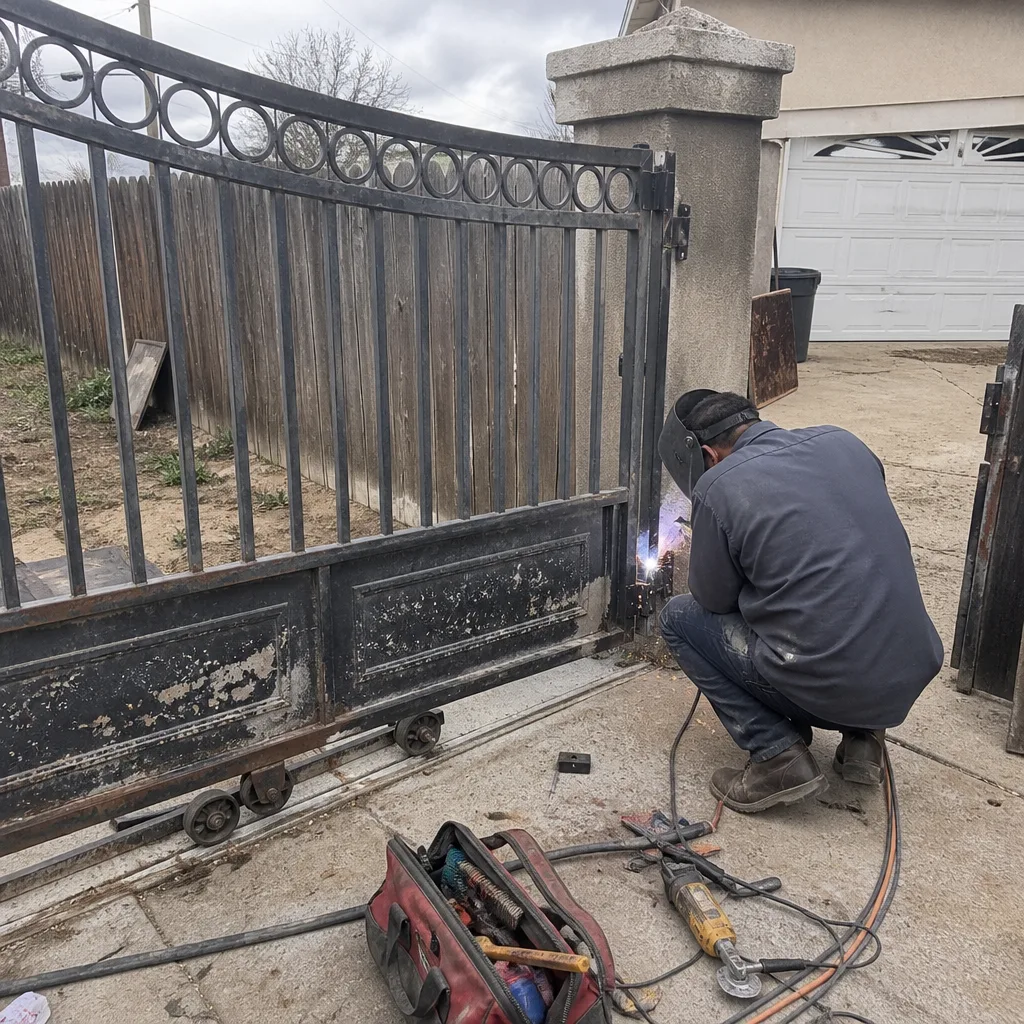 Before
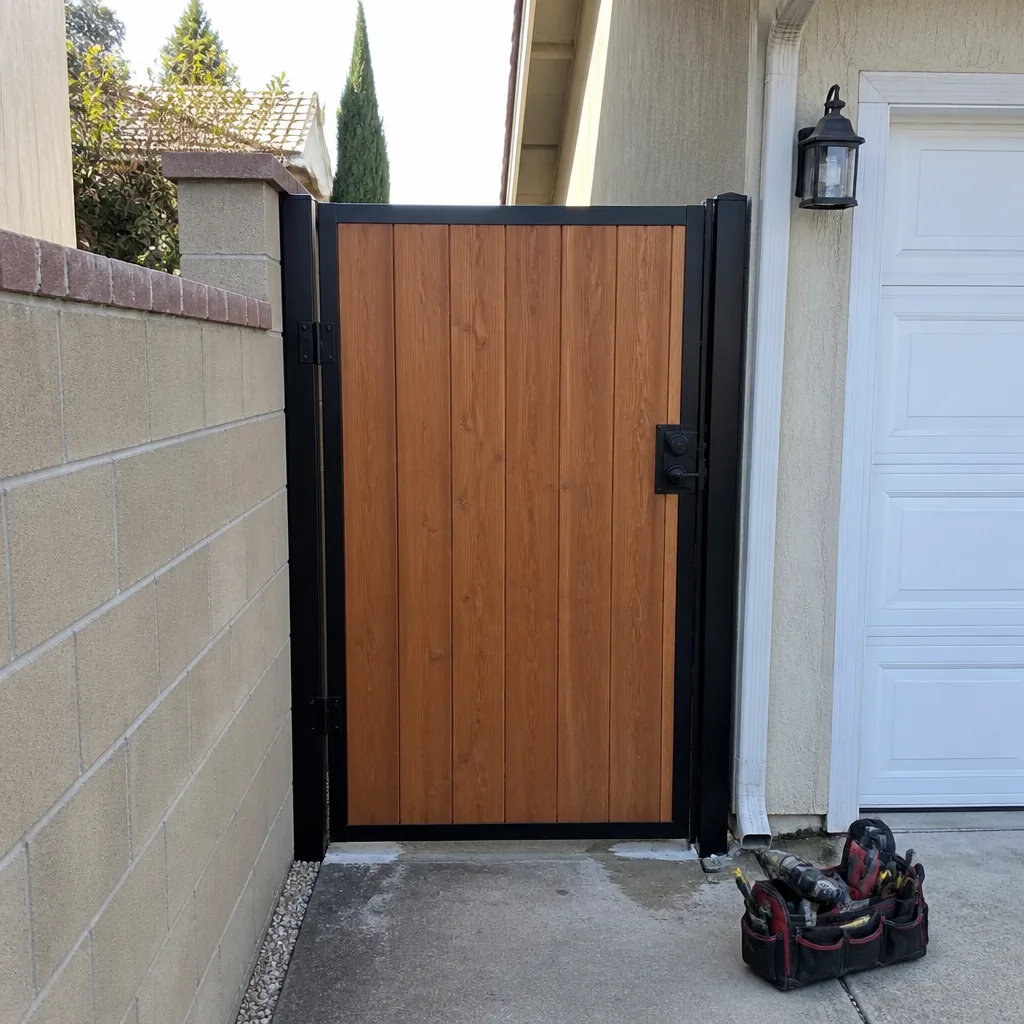 After
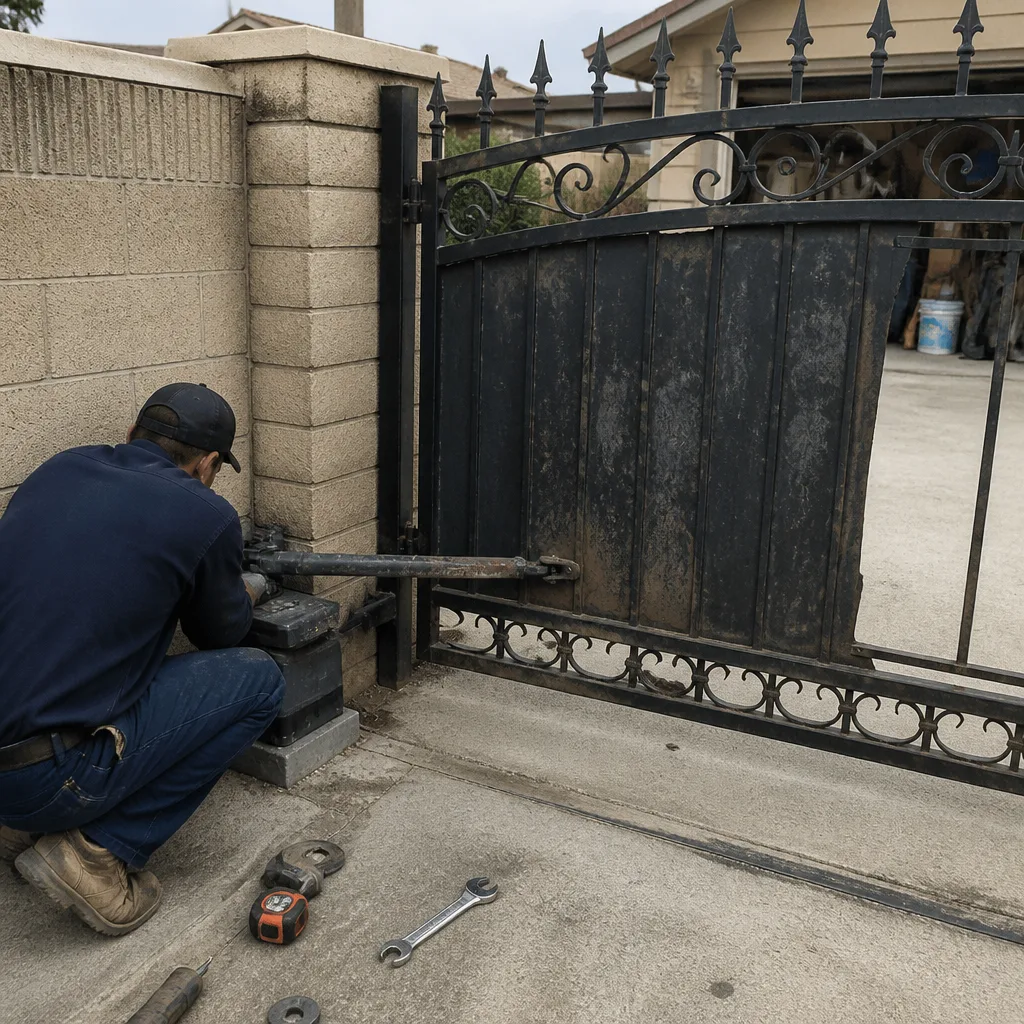 Before
 After
 Before
 After