Last updated October 31, 2026
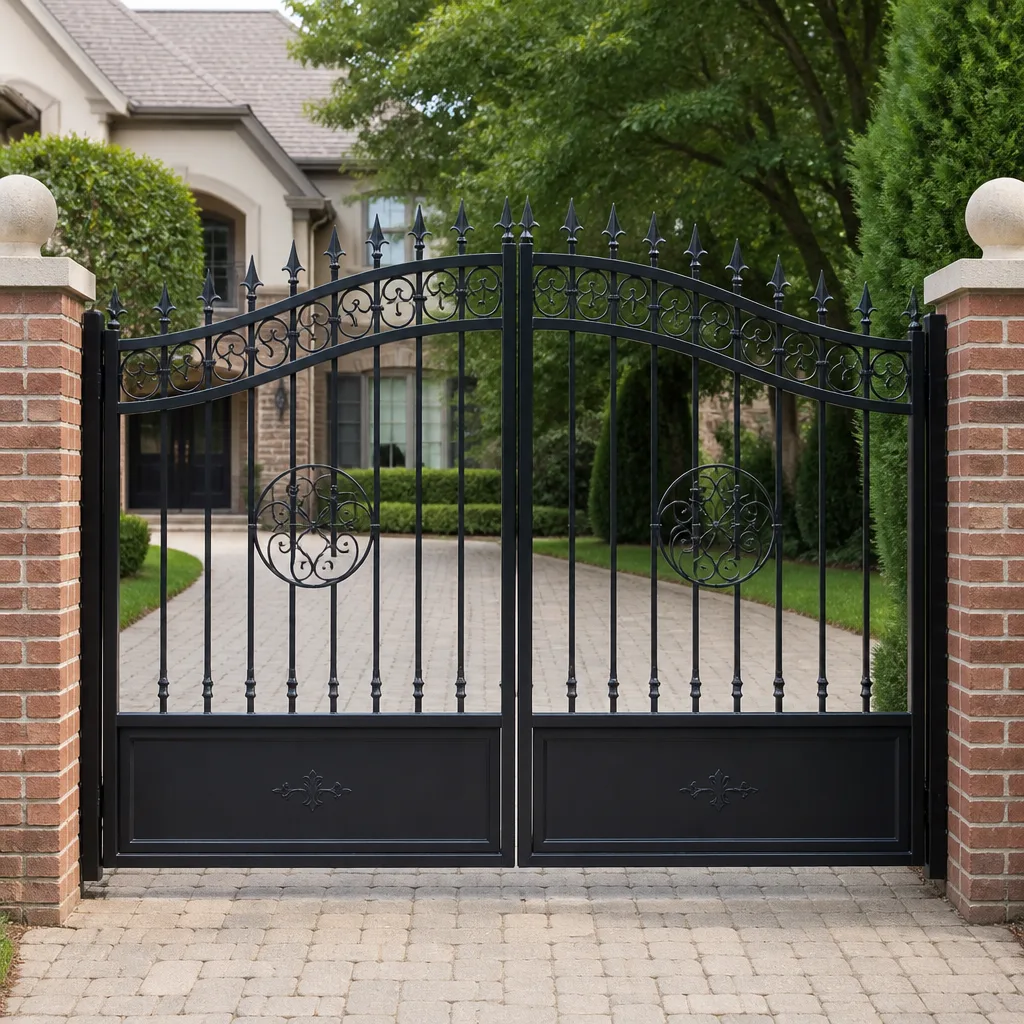 Wrought iron
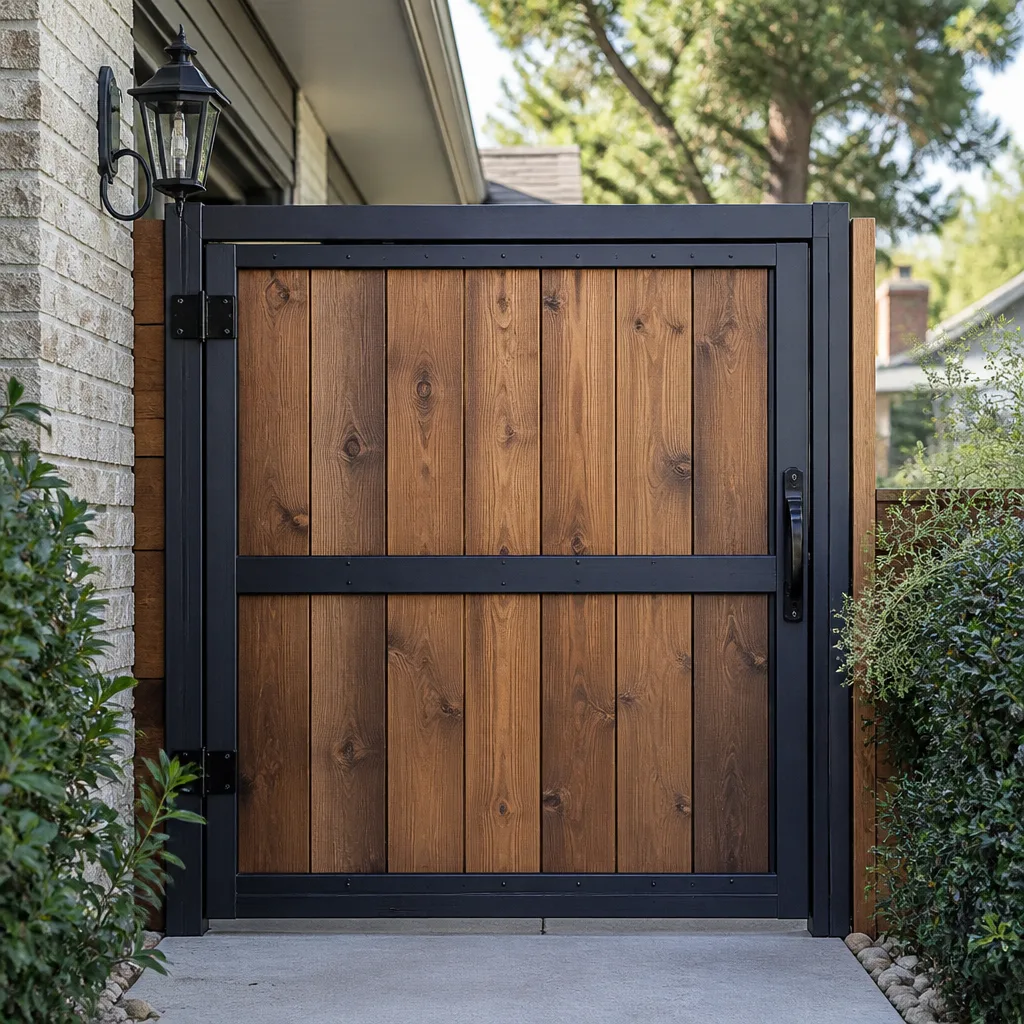 Wood & steel frame
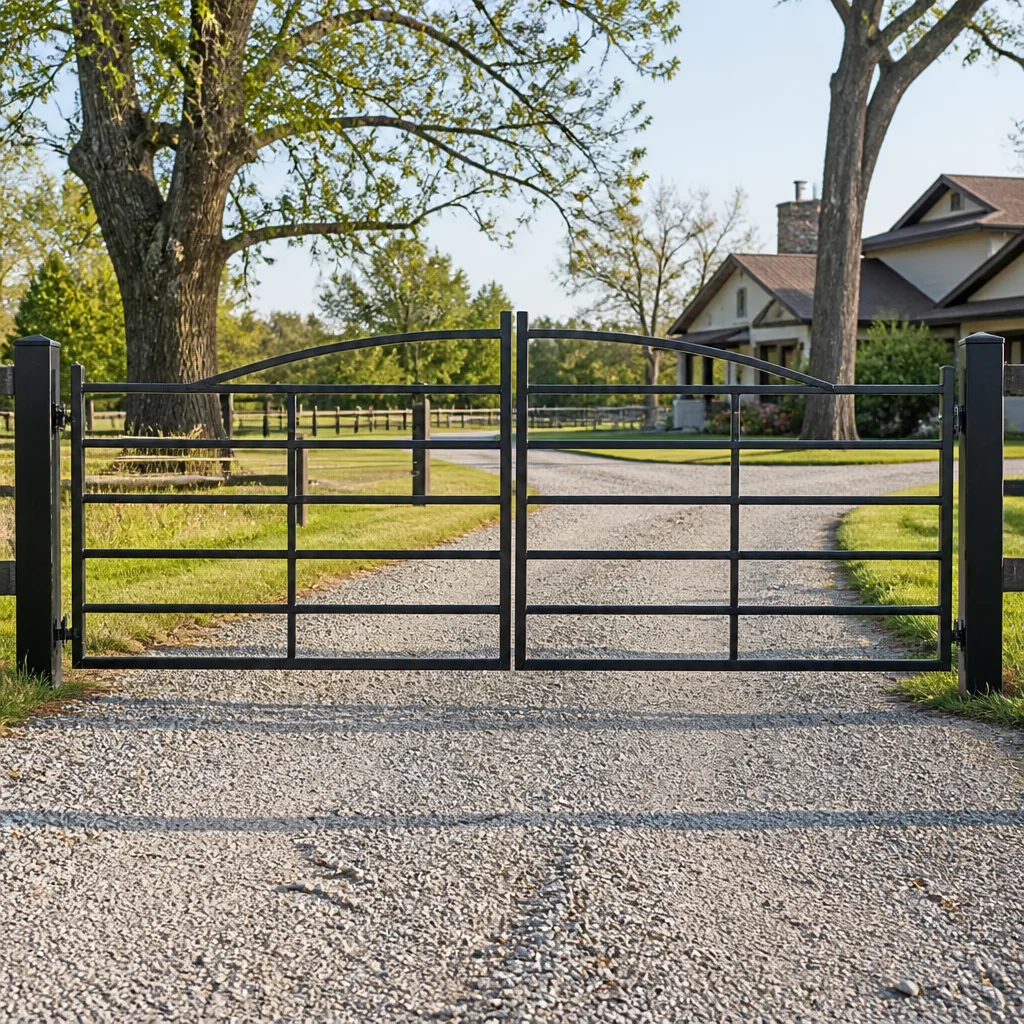 Farm & ranch
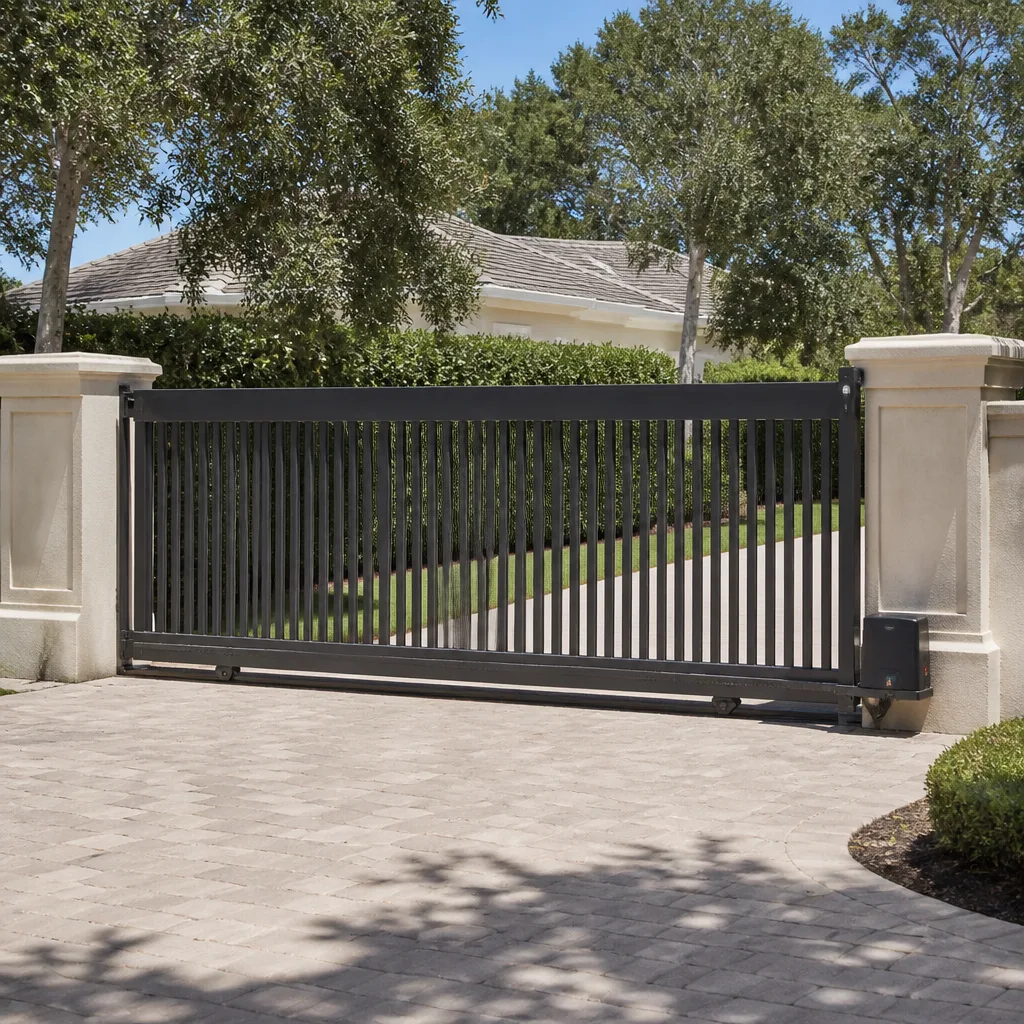 Sliding driveway gates
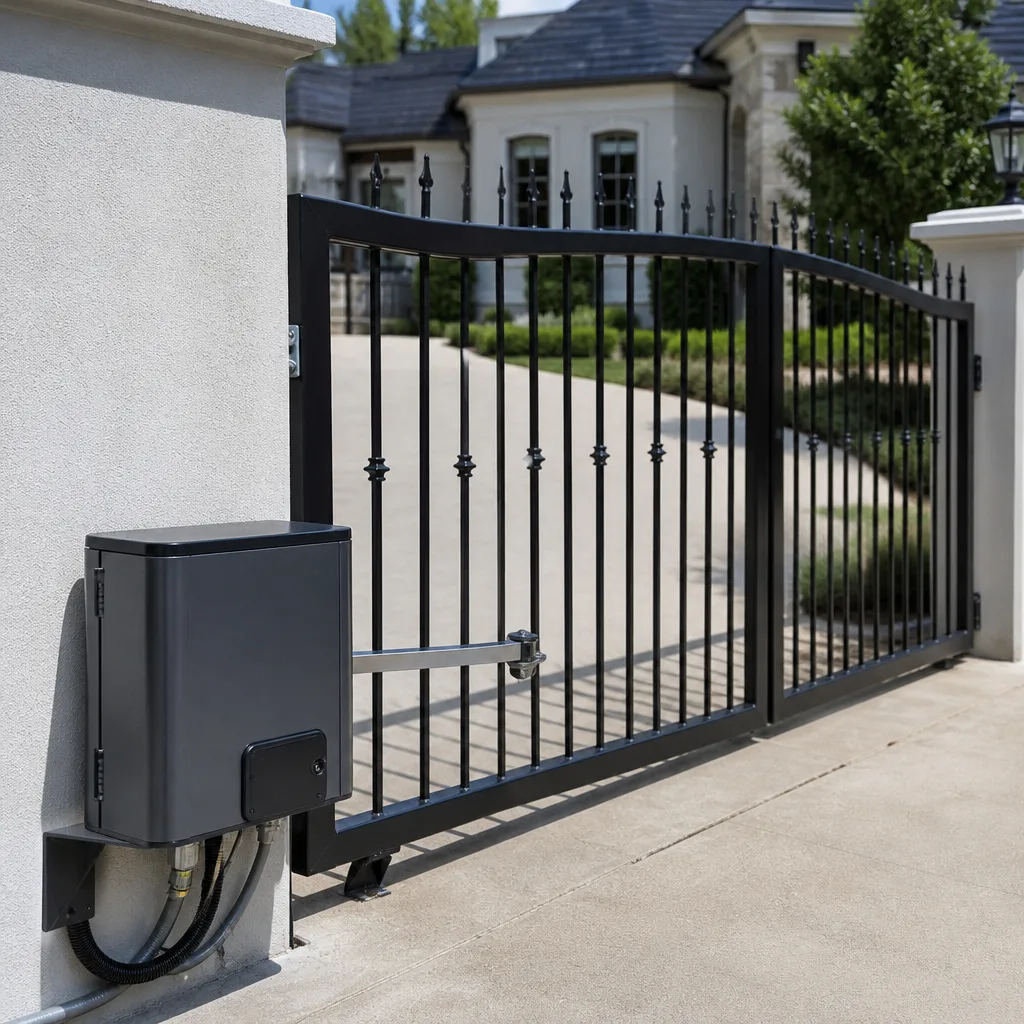 LiftMaster operators
Free on-site gate assessment - hinges, posts, and your LiftMaster or Nice gate operator checked before anything is quoted
The assessment is free and the quote is the invoice.
Get your free estimateHow to Hire a Gate Repair Contractor in Fontana: A Step-by-Step Guide
The fastest way to overspend on gate repair is to hire the first contractor who can show up the same day. Speed of availability and depth of expertise are almost perfectly inversely correlated in this trade. A specialist who can diagnose a Viking control board fault on Tuesday is usually booked through Thursday. A generalist who can swing by this afternoon is usually free for a reason. This guide walks through the exact process we recommend to homeowners in Fontana for separating genuine gate specialists from capable-sounding generalists, and it covers what to verify before anyone touches your gate. If your gate is already showing problems, explore our Gate Repair services for professional diagnostics.
Styles & brands we work with
Quick Answer
To hire a gate repair contractor in Fontana, first verify the contractor holds a valid California C-61/D-28 license (or a C-10 for electrical work on automated systems) and general liability insurance, then ask five diagnostic questions about your gate’s brand, operator type, and failure symptoms before requesting a written quote. A qualified specialist should be able to identify likely fault points by asking detailed questions alone, while a generalist will deflect toward vague “we’ll look at it when we arrive” answers.
Table of Contents
- The Licensing and Insurance Baseline for Fontana Gate Contractors
- Five Diagnostic Questions to Ask Before Anyone Touches Your Gate
- Why Brand-Agnostic Beats Factory-Authorized for Residential Repair
- How to Read a Gate Repair Quote Without Getting Taken
- Red Flags Specific to the Fontana Market
- The Electric Gate Repair Subset: What Changes When the Operator Fails
- What a Proper Site Visit Looks Like
- Common Mistakes to Avoid
- When to Call a Professional
- Frequently Asked Questions
- The Bottom Line
The Licensing and Insurance Baseline for Fontana Gate Contractors
California is stricter about contractor licensing than most states, and gate repair falls under specific classifications that many Fontana homeowners don’t know to check. Any contractor who physically repairs or services a gate for a fee must hold a valid license from the Contractors State License Board (CSLB). The relevant classification for mechanical gate work is C-61/D-28, which covers doors, gates, and activating devices. If the work involves the electrical operator, control board, or sensor loop wiring, the contractor should also hold a C-10 electrical classification, or work under a master who does.
This matters because gate systems straddle two worlds. The mechanical side (hinges, rollers, track alignment, chain tension, leaf weight) fits the D-28 classification. The automated side (operator motor, control board, photo eyes, loop detectors, capacitor, limit switches) is fundamentally electrical work. A contractor who only holds a D-28 and starts rewiring a BFT control board is working outside their license scope, and the homeowner is the one exposed if something goes wrong.
How to Verify a Fontana Contractor’s License in Under Five Minutes
- Ask for the license number directly. Any legitimate contractor in Fontana will give it without hesitation. If the person hedges or claims it’s “pending,” end the call.
- Go to the CSLB website. The Contractors State License Board has a license lookup tool at cslb.ca.gov. Type in the number.
- Check the classification. Confirm the license covers D-28 for gate work and C-10 if electrical automation is involved. A landscaping license or general B classification alone is not sufficient for automated gate repair.
- Check for workers’ compensation coverage. If the contractor has employees and the CSLB shows no workers’ comp certificate, any injury on your property could fall on your homeowners policy.
- Ask for a certificate of insurance. Request a current certificate naming you as the certificate holder. Minimum general liability should be $1 million for residential work. The certificate should come from the insurance carrier or agent, not from the contractor himself.
In Fontana specifically, we’ve seen a pattern of unlicensed individuals advertising gate repair on community boards and social media marketplaces. The Inland Empire has a high concentration of rental properties and new residential development, which creates a steady demand for cheap gate fixes. These unlicensed operators often quote low, do partial work, then disappear when the gate fails again. The CSLB look-up takes three minutes and eliminates this entire category of risk.
Five Diagnostic Questions to Ask Before Anyone Touches Your Gate
Here’s the core of this guide. These five questions separate gate specialists from generalists. A specialist answers them fluently because the answers tell us what we need to know before we even schedule the site visit. A generalist answers them vaguely, or gets defensive, or says “I’ll need to see it in person” as a default response to every question.
- “What brand is your operator?” This question tests whether the contractor understands the gate automation landscape. If you say “Linear” and the contractor asks what a Linear is, you’ve learned something important. A gate specialist should know the major residential brands without pausing: LiftMaster, FAAC, BFT, Linear, Viking, Ghost Controls, DoorKing, Elite, and Mighty Mule. If they only recognize one or two brands, they’ve likely only worked on one or two.
- “What exactly is the gate doing when it fails?” A specialist will accept a detailed answer here: gate stops halfway, gate reverses before closing, gate makes a grinding noise, gate won’t respond to the remote, gate works from the keypad but not the remote. Each symptom points to a different subsystem. If the contractor doesn’t ask this question at all and just says “sounds like you need a new operator,” that’s a red flag.
- “How old is the gate, and when was the operator last serviced?” Age determines failure probability. A 15-year-old gate with an original operator has likely reached end-of-life for several components. A 3-year-old gate with the same symptom suggests a specific component failure worth repairing. A contractor who doesn’t ask about age can’t properly weigh repair versus replacement.
- “Have you worked on this brand before?” Basic, but revealing. A contractor who says “I’ve worked on a few” and then can’t name the brand’s common failure modes is generalizing. For example, Ghost Controls operators are known for specific control board quirks that differ from BFT or Viking systems. A specialist can speak to these differences. A generalist treats all brands as interchangeable.
- “What does a full diagnosis include?” This is the most important question. A proper diagnosis includes testing the operator motor, checking limit switch function, testing safety sensors (photo eyes and loop detectors), checking battery backup if present, inspecting hinges and track alignment, and testing remote and keypad inputs. A vague answer like “we’ll figure it out when we’re there” means the contractor will likely replace the most obvious component and hope that fixes it, which is how homeowners end up paying for two or three trips for one problem.
In our experience in Fontana, question five eliminates more contractors than any other. The generalists simply don’t have a systematic diagnosis process because they don’t know what one looks like for automated gate systems. They can swap a hinge. They cannot trace a control board fault through a sensor loop.
Why Brand-Agnostic Beats Factory-Authorized for Residential Repair
There’s an assumption among some Fontana homeowners that a factory-authorized dealer is the safest choice because the dealer “knows the brand.” This is true for installation and warranty work, but it’s often the opposite for repair, and here’s why.
Factory-authorized dealers operate under a service agreement with a single manufacturer. Their technicians train on one product line, and their service manuals, diagnostic tools, and replacement parts inventory all point to that brand. When a homeowner calls a LiftMaster dealer about a gate that isn’t working, the dealer’s entire diagnostic framework assumes the problem lives somewhere in the LiftMaster ecosystem. If the actual fault is a loop detector installed by a different contractor, or a power supply problem at the junction box, the dealer may miss it because the dealer isn’t looking for it.
Brand-agnostic contractors have a different incentive structure. We work on the brand you already have, which means the diagnostic process starts with the symptom and traces it to the actual source, regardless of who manufactured the component that failed. A Linear operator with a faulty limit switch gets the limit switch replaced. A Viking operator with a burned capacitor gets the capacitor replaced. There’s no internal pressure to recommend a full system replacement because the contractor isn’t tied to any manufacturer’s sales targets.
This distinction matters most in Fontana because the housing stock is mixed. Newer developments in the northern part of the city often have one of two or three common operator brands installed at construction. Older homes in the downtown and southern neighborhoods have a much wider mix, including operators that are no longer in production. A factory-authorized dealer for a current brand may not even stock parts for an operator that was discontinued eight years ago. A brand-agnostic specialist can source compatible aftermarket parts or recommend a targeted upgrade path rather than a full-system replacement.
There’s also a subtler issue. Factory-authorized dealers often operate on service territories and minimums set by the manufacturer. If you’re outside the dealer’s preferred territory or your system is below their minimum service threshold, responsiveness suffers. Independent specialists live and die on local reputation, which creates a stronger incentive to fix the problem correctly the first time.
How to Read a Gate Repair Quote Without Getting Taken
Most Fontana homeowners don’t know what a legitimate gate repair quote looks like, so they can’t tell good pricing from bad. Here’s the breakdown.
Line Items That Should Be on Any Legitimate Quote
- Diagnostic fee, clearly stated. Most reputable gate repair companies charge a diagnostic or service call fee, often credited toward the repair if you proceed. If the quote doesn’t show this fee separately, it’s buried somewhere else.
- Parts with specific brand and model numbers. A quote that says “replacement operator” without specifying the brand and model gives the contractor full discretion to install whatever is cheapest for them to source. A quote that says “Linear LRA operator, model 2HP” lets you verify pricing independently.
- Labor hours with a stated rate. Labor should be broken out, not rolled into a single lump number. A $450 quote with no breakdown is not a quote; it’s a guess.
- Site preparation and cleanup. If the contractor will need to clear vegetation, remove the old operator, or dispose of the old parts, these should be line items.
- Warranty terms on both parts and labor. Even if the specific terms vary, a professional quote states what’s covered and for how long. If the quote has no warranty language, ask why.
Line Items That Are Padding
- “Miscellaneous materials” without explanation. This is a catch-all line that usually means the contractor added 15-20% and couldn’t be bothered to itemize it.
- Double-listed parts. Some quotes list the same part under two different descriptions, like “operator motor” and “drive unit” as separate charges when they’re the same component.
- “Upgrade” line items that weren’t discussed. If the quote includes a “control board upgrade” or “heavy-duty hinge package” that wasn’t mentioned during the site visit, ask why it appeared.
Missing Items That Signal an Incomplete Diagnosis
- No mention of safety sensor testing. Photo eyes and loop detectors are part of every automated gate system. A repair quote that doesn’t reference them at all may be based on a guess rather than a diagnosis.
- No mention of the gate’s physical condition. Hinges, track, rollers, and leaf weight all affect operator performance. A quote that focuses entirely on the operator and ignores the gate structure may miss the root cause.
- No mention of power supply verification. Automated gates fail more often from power problems (low voltage, bad breaker, damaged conduit) than from operator failures. A quote that doesn’t address power at all is incomplete.
The best gate repair quotes in Fontana look like medical reports: diagnosis first, treatment plan second, cost breakdown third, and expected outcome fourth. The worst look like retail price tags: one number and a handshake.
Red Flags Specific to the Fontana Market
Every market has its own patterns, and Fontana is no exception. Here are the red flags we see most often in this specific part of the Inland Empire. For maintenance tips that help avoid these issues year-round, read our Seasonal Gate Repair Care for Fontana: Year-Round Homeowner’s Guide.
Quoting without a site visit. This is the single biggest red flag in the Fontana gate repair market. Any contractor who gives you a firm price over the phone without seeing the gate is either guessing or planning to inflate the price after the work starts. Gates vary enormously in size, weight, operator type, and condition. A 14-foot wrought iron leaf weighs four times what an 8-foot aluminum leaf weighs, and the operator requirements are completely different. No legitimate specialist quotes sight unseen, unless it’s a simple diagnostic fee stated openly as such.
Not asking about gate age or brand. We covered this in the diagnostic questions section, but it’s worth repeating as a market-specific red flag. Fontana has a mix of old and new construction, which means gate ages range from brand-new to 30+ years old. A contractor who doesn’t ask about age can’t assess whether your problem is a component failure on a relatively young system or natural end-of-life on an old one.
Leading with parts replacement before diagnosis. The phrase “sounds like you need a new circuit board” delivered before the contractor has seen the gate is a signal that the contractor’s business model is parts replacement, not diagnosis. Circuit boards do fail, but they’re also the most expensive single component in most gate operators, which makes them the most profitable item to replace. A real diagnosis might find that a failing capacitor or a bad relay is causing the board to malfunction. The board itself may be fine.
Pressure to replace rather than repair. This deserves its own red flag. Some Fontana contractors make more margin selling new operators than they make repairing old ones, so their “diagnosis” conveniently finds that the old operator is “not worth repairing.” This is sometimes true, particularly on operators that are more than 15 years old or that have failed multiple times in recent years. But it should always be supported with evidence: visible wear, discontinued parts, multiple prior failures. A contractor who leads with replacement before examining the system is applying the easy upsell, not the right fix.
No local presence or verifiable address. Fontana is a big city, and plenty of contractors from Riverside, Ontario, Rancho Cucamonga, and San Bernardino will claim to serve it. Some of them do excellent work. But a contractor listing only a cell phone number and no business address may be operating without a physical base, which makes accountability harder after the job is done. A real company has a real address, even if it’s not a retail storefront.
The Electric Gate Repair Subset: What Changes When the Operator Fails
About half of all gate repair calls in Fontana involve the electric operator rather than the mechanical gate itself, and hiring for electric gate repair is different from hiring for mechanical work. This section covers what changes.
Electric gate repair requires a different knowledge base. A contractor who can rehang a sagging gate leaf may know nothing about troubleshooting a BFT control board. A contractor who can wire a new operator may know nothing about adjusting limit switch travel on a Viking model. The two disciplines share a trade name but not much else.
Here’s what to ask when the failure is electric rather than mechanical:
- Ask about the specific failure mode. Is the operator dead (no response at all), or alive but malfunctioning (partial travel, reversing unexpectedly, intermittent operation)? Dead operators usually mean power supply or board failure. Malfunctioning operators usually mean sensor, limit switch, or capacitor problems. The two require different diagnostic approaches.
- Ask about safety sensor testing. Every automated gate in California must have functioning entrapment protection: photo eyes, contact edges, or both. An electric gate repair that ignores the safety sensors is incomplete and potentially dangerous. The contractor should test these as part of the diagnostic.
- Ask about the control board specifically. The control board is the brain of the system. Ghost Controls boards, for example, use specific diagnostic LED patterns that a technician can read to identify fault codes. A contractor who doesn’t know how to read these codes on your specific brand will guess rather than diagnose.
- Ask how the contractor will verify the fix. A proper electric gate repair ends with a full-cycle test: gate opens fully, closes fully, stops properly at the limits, reverses on safety sensor obstruction, and responds correctly from all inputs (remote, keypad, vehicle loop). If the contractor’s test plan is “I’ll open and close it once,” that’s not a test plan.
One more thing, and this is where safety becomes non-negotiable. Automated gate operators contain high-tension springs, heavy moving components, and live electrical circuits. The force required to move a 600-pound gate leaf is significant, and the electrical current running through a control board can be lethal if handled incorrectly. We do not recommend that homeowners attempt DIY repair on electric gate components. The risk of serious injury from a gate that moves unexpectedly during repair, or from an electrical fault, is real. This work requires trained professionals who understand entrapment protection requirements and electrical safety protocols.
For background on how this scope differs from general gate work, see our Gate Repair in Fontana guide, and for the full electrical scope, read our Electric Gate Repair in Fontana page.
What a Proper Site Visit Looks Like
You’ve verified the license, asked the diagnostic questions, and narrowed your list. Now the contractor arrives for the site visit, and this is where you see the difference between a professional and a pretender. Here’s what a proper site visit includes.
The contractor walks the full gate system, not just the gate. A proper evaluation includes the gate leaves themselves, the hinges and pivot points, the track if there is one, the operator housing, the control board, the power supply, the safety sensors, the loop detectors, and the remote and keypad inputs. A contractor who looks only at the operator and never examines the physical gate is missing half the system.
The contractor operates the gate through multiple cycles. The gate should be opened and closed from the remote, from the keypad, and from any vehicle loop. The contractor should watch and listen for signs of strain: slow travel, uneven movement, grinding, hesitation, sensor trips. Each of these reveals something about the system’s health.
The contractor checks the power supply. This means testing the voltage at the operator and checking for proper grounding. Low voltage can cause intermittent operation that mimics other faults. A contractor who doesn’t check power is guessing.
The contractor gives you a verbal diagnosis before leaving, then follows up with the written quote. Not always, but usually. A specialist who has seen the system should be able to say “the likely fault is the limit switch, but I want to verify with the board reader before I commit to that diagnosis.” That’s the language of a professional. A vague “we’ll put something together for you” with no specifics means the contractor didn’t actually diagnose anything.
The contractor mentions safety explicitly. Automated gates in California are regulated for entrapment protection. A professional site visit includes some discussion of whether your safety sensors are properly positioned and functioning. If the contractor never mentions safety sensors at all, that’s a concern.
Common Mistakes to Avoid
- Hiring based on price alone. The cheapest quote in Fontana is often the most expensive in the long run because partial diagnoses lead to repeat visits. A $150 fix that doesn’t fix the problem costs $150 plus the eventual $400 real fix. Price should be one factor among several.
- Skipping the license check because the contractor “seems nice.” Personality is not a substitute for legal compliance. Unlicensed operators in the Inland Empire are often personable because their business depends on trust, not credentials.
- Accepting a quote that doesn’t specify brands and part numbers. As covered in the quote-reading section, vague part descriptions give the contractor permission to install whatever they have on the truck rather than what your system needs. If the quote doesn’t say what parts are going in, ask for a revised quote that does.
- Choosing a factory-authorized dealer for a repair on a discontinued brand. A dealer for a current brand may not stock parts for a competitor’s discontinued operator. Brand-agnostic repair specialists can often source compatible parts for older Linear, Viking, or Ghost Controls systems that factory channels no longer support.
- Ignoring the safety sensors because “the gate still works.” A gate that operates without functioning entrapment protection is a liability. If the safety sensors are dead, the gate is not safe, even if it opens and closes on command. The repair should address the sensors.
- Not asking about warranty terms before the work starts. A reputable gate repair contractor states warranty terms in writing. If the terms are verbal only, get them in writing. If the contractor won’t put warranty terms on the quote, that tells you how confident they are in their work.
- Delaying repair because the gate still opens manually. A gate that has failed in automatic mode but still opens manually is using more human effort than design intent. The longer a mechanical or electrical fault goes unaddressed, the more secondary damage it causes. A failing capacitor can damage a control board over time. A sagging gate leaf can wear out hinges and rollers. Early repair is cheaper than deferred repair.
When to Call a Professional
Some gate problems can wait. Others cannot. Call a professional immediately if your gate won’t close fully and you rely on it to keep children or pets contained, if the gate reverses unexpectedly during operation which indicates a sensor fault, if you hear grinding or see visible sparks from the operator housing, or if the gate won’t open and you need vehicle access. These are not maintenance issues; they are functional failures with safety consequences. A gate that moves when it shouldn’t or doesn’t move when it should is a hazard, not just an annoyance. Manor Gate Repair offers free estimates in Fontana, call (844) 703-6053 to schedule a site visit. We specialize in electric gate repair across all major brands and work on the system you already have. For more guides & resources on gate maintenance and hiring, visit our blog.
Frequently Asked Questions
Most mechanical gate repairs in Fontana (hinges, rollers, track adjustments, chain tension) run between $150 and $500 depending on parts and labor hours. Electric gate repairs involving control boards, limit switches, capacitors, or sensors typically run between $250 and $1,200 depending on the component and the operator model. Full operator replacement usually starts around $1,000 and can reach $3,500 for premium systems. Call (844) 703-6053 for an exact quote on your specific system, estimates are free.
Manor maintains certified familiarity with nine major gate automation brands: LiftMaster, FAAC, BFT, Linear, Viking, Ghost Controls, DoorKing, Elite, and Mighty Mule. Brand-agnostic diagnostics mean we find the actual fault regardless of manufacturer, which is particularly valuable for Fontana homeowners whose gates were installed by different contractors over the years. We don’t push unnecessary full-system replacements when the fix is a component repair.
Most gate repairs do not require a permit, because repair work that doesn’t alter the structure or replace the operator with a different type is considered maintenance. However, if the repair involves changes to the electrical supply, new conduit runs, or significant modification to the gate structure, the City of Fontana may require a permit. Fontana follows California building codes for automated gate entrapment protection, and any new operator installation must meet current safety standards. Your contractor should be able to tell you whether your specific job requires permitting.
Mechanical repairs like hinge replacement or track realignment typically take one to three hours on site. Electric repairs involving control board replacement or sensor troubleshooting typically take two to four hours. Full operator replacement usually takes half a day. The biggest variable in Fontana is part availability for discontinued operators, which can add a few days if a compatible part needs to be sourced. Diagnostic visits typically take under an hour.
We service nine leading gate automation brands: LiftMaster, FAAC, BFT, Linear, Viking, Ghost Controls, DoorKing, Elite, and Mighty Mule. This brand range means we can diagnose and repair virtually any residential or light-commercial automated gate system in Fontana without telling you to call someone else because we don’t handle your brand. If you’re not sure what brand your operator is, the manual usually has the manufacturer name, or our technician can identify it during the site visit.
Yes. Every repair job we quote includes a written price for the diagnostic, the parts with specific brand and model numbers, labor hours with the stated rate, and warranty terms on both parts and labor. The price is quoted and agreed before any work starts, so there are no surprise line items on the final invoice. Call (844) 703-6053 to schedule a diagnostic visit and get a written quote.
That’s exactly what the diagnostic visit determines. Our brand-agnostic approach means we assess the actual condition of your system, including gate age, operator condition, safety sensor function, and the availability of parts for your specific brand, before recommending repair or replacement. We recommend replacement only when the evidence supports it: discontinued parts, multiple prior failures, or repair costs approaching 50% of replacement cost. We don’t lead with replacement because it’s easier for us. We lead with the right fix, not the easy upsell.
The Bottom Line
Hiring a gate repair contractor in Fontana is a process of elimination, not selection. You eliminate the unlicensed, the generalists, the parts-swappers, and the quote-blind guessers by asking specific questions and holding every contractor to the same standard. The contractor who remains is one who can identify your gate’s brand without asking, explain the likely fault before touching anything, provide a written quote with specific brands and part numbers, and stand behind the work in writing. That’s the contractor worth hiring. Explore our gate repair services to learn about our diagnostic process, see our Gate Installation in Fontana page for full-system replacement options, and call (844) 703-6053 to schedule a free site visit and quote in Fontana.
Written by the team at Manor Gate Repair, serving Fontana since 2014.
See the difference
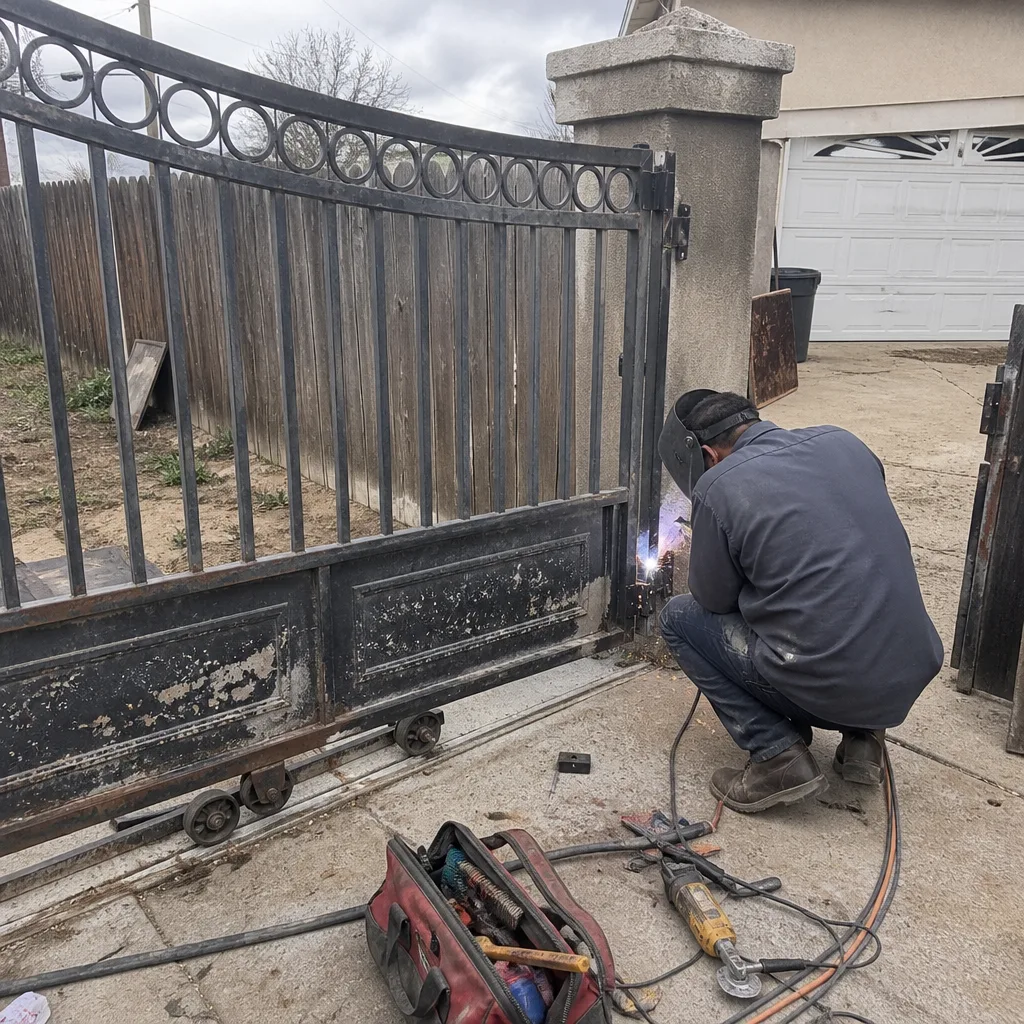 Before
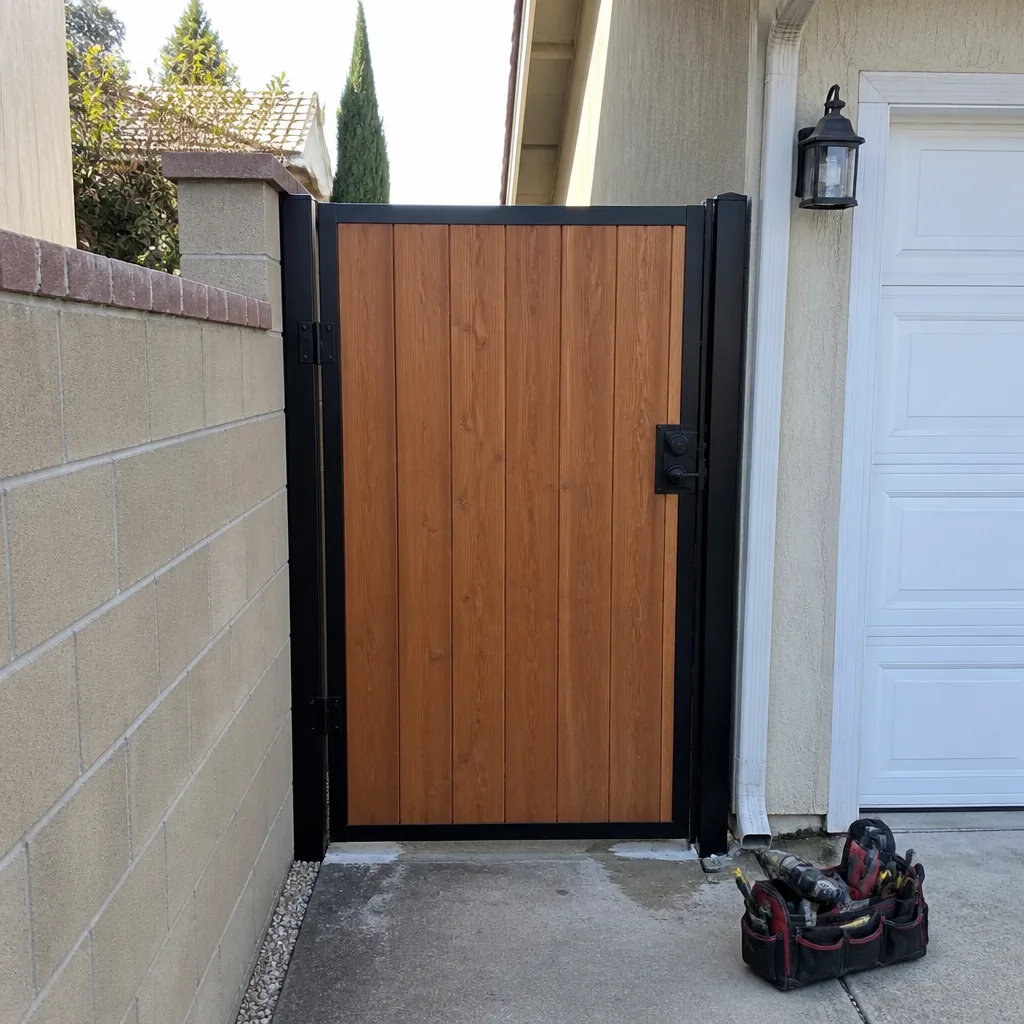 After
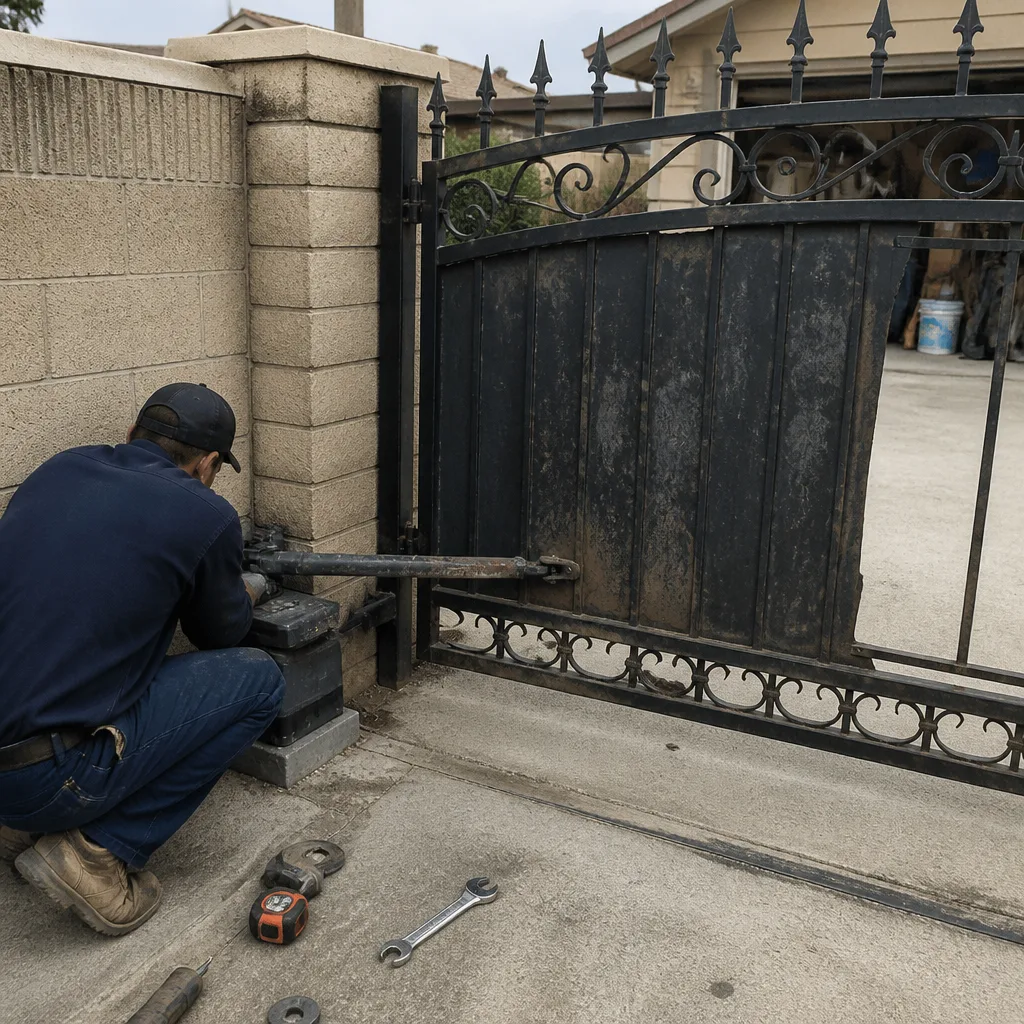 Before
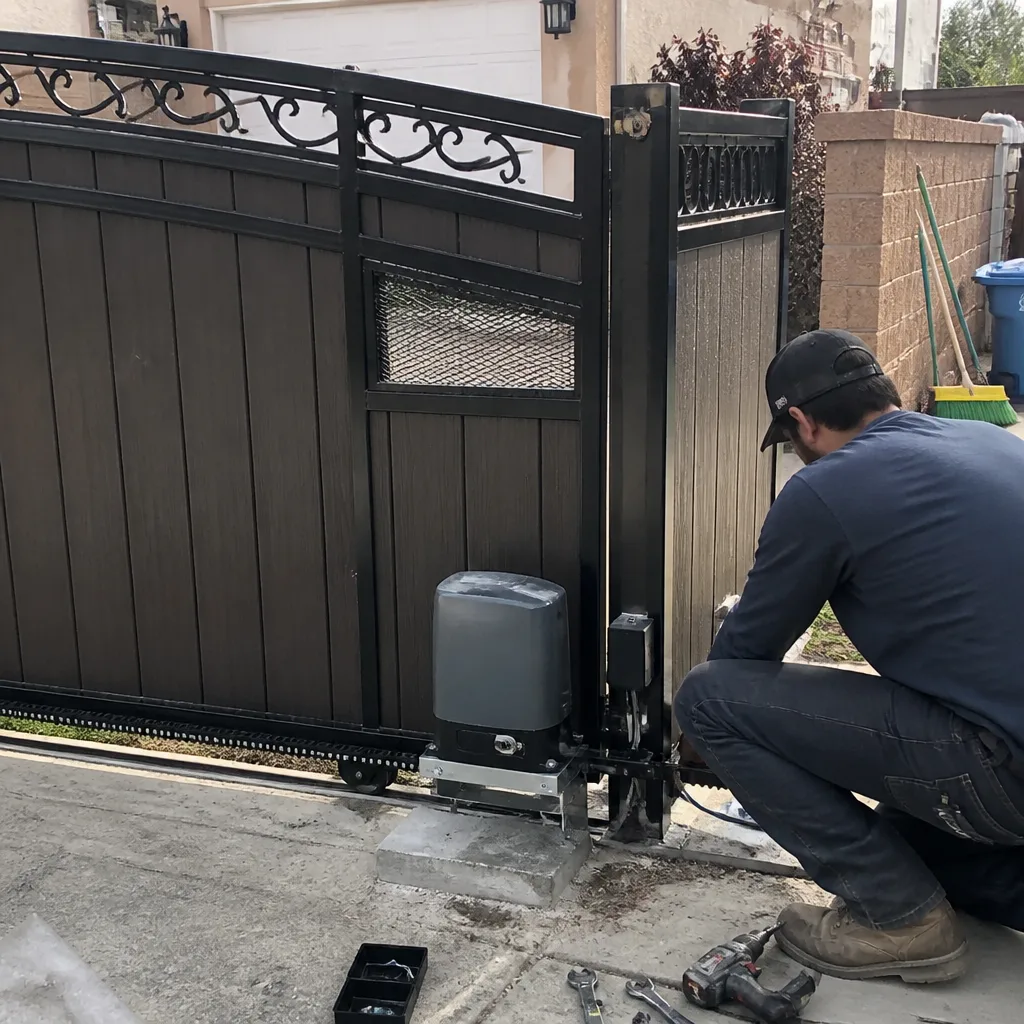 After
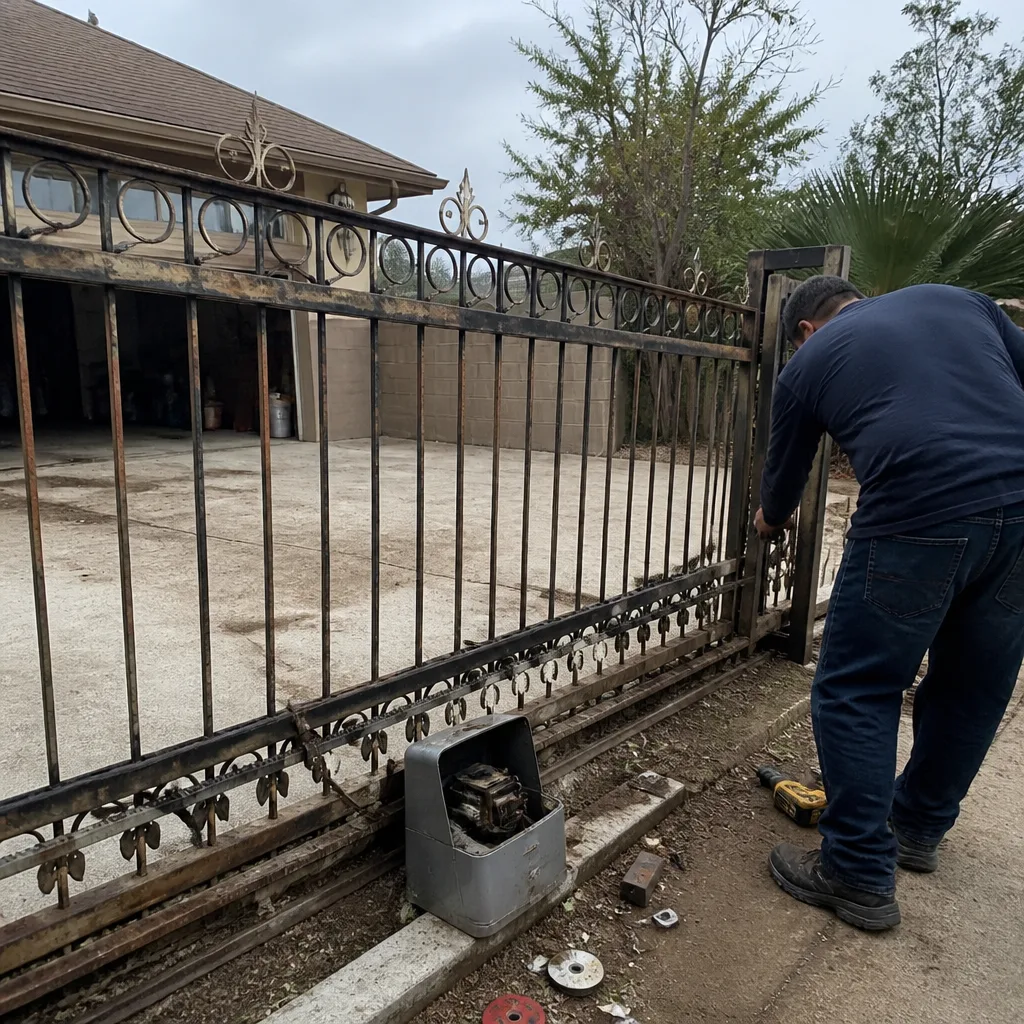 Before
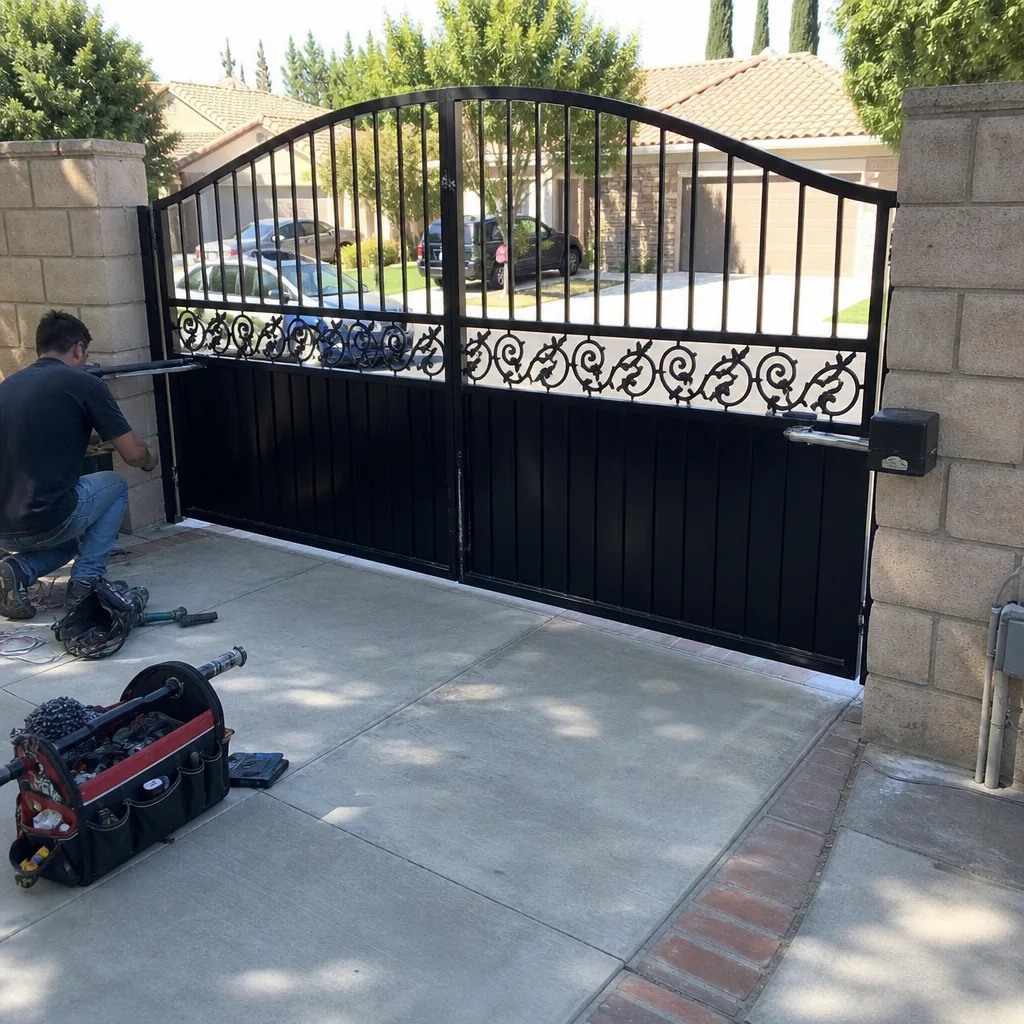 After