
Last updated October 31, 2026
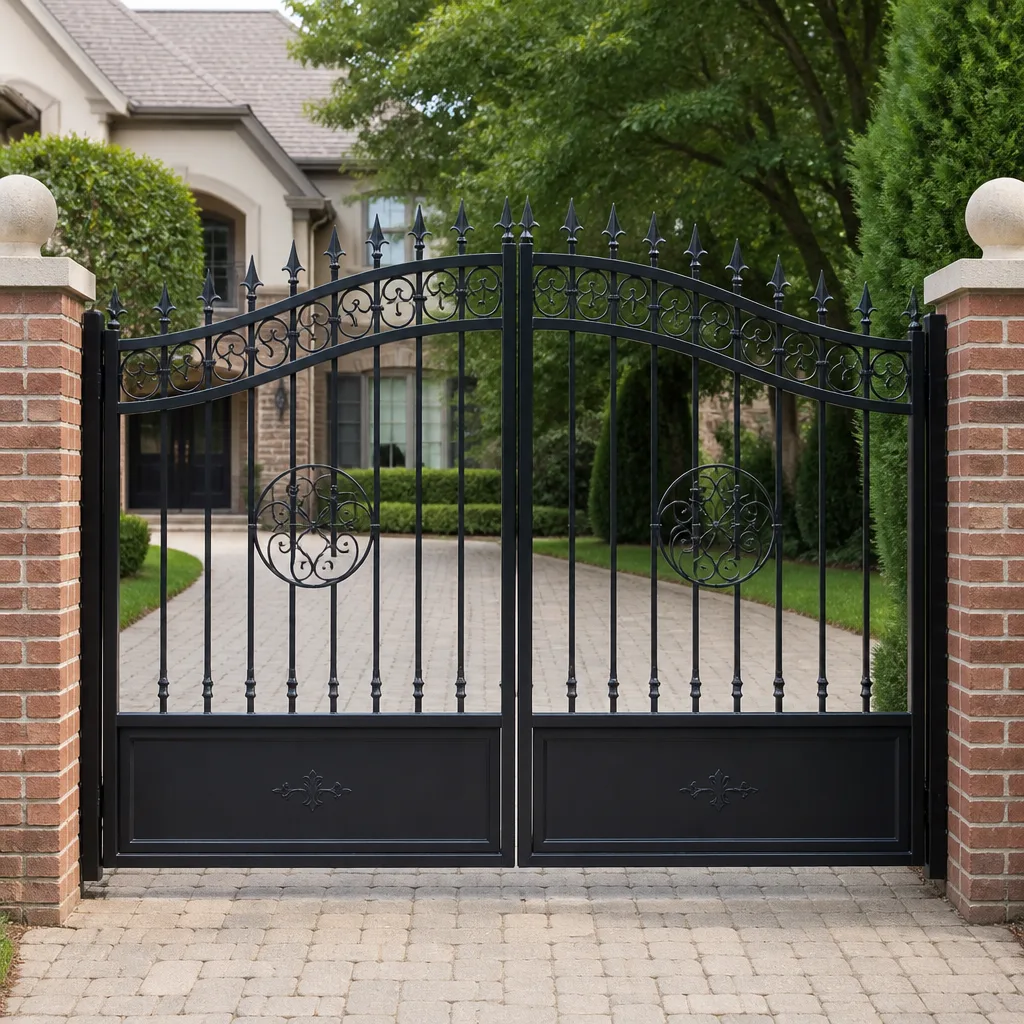 Wrought iron
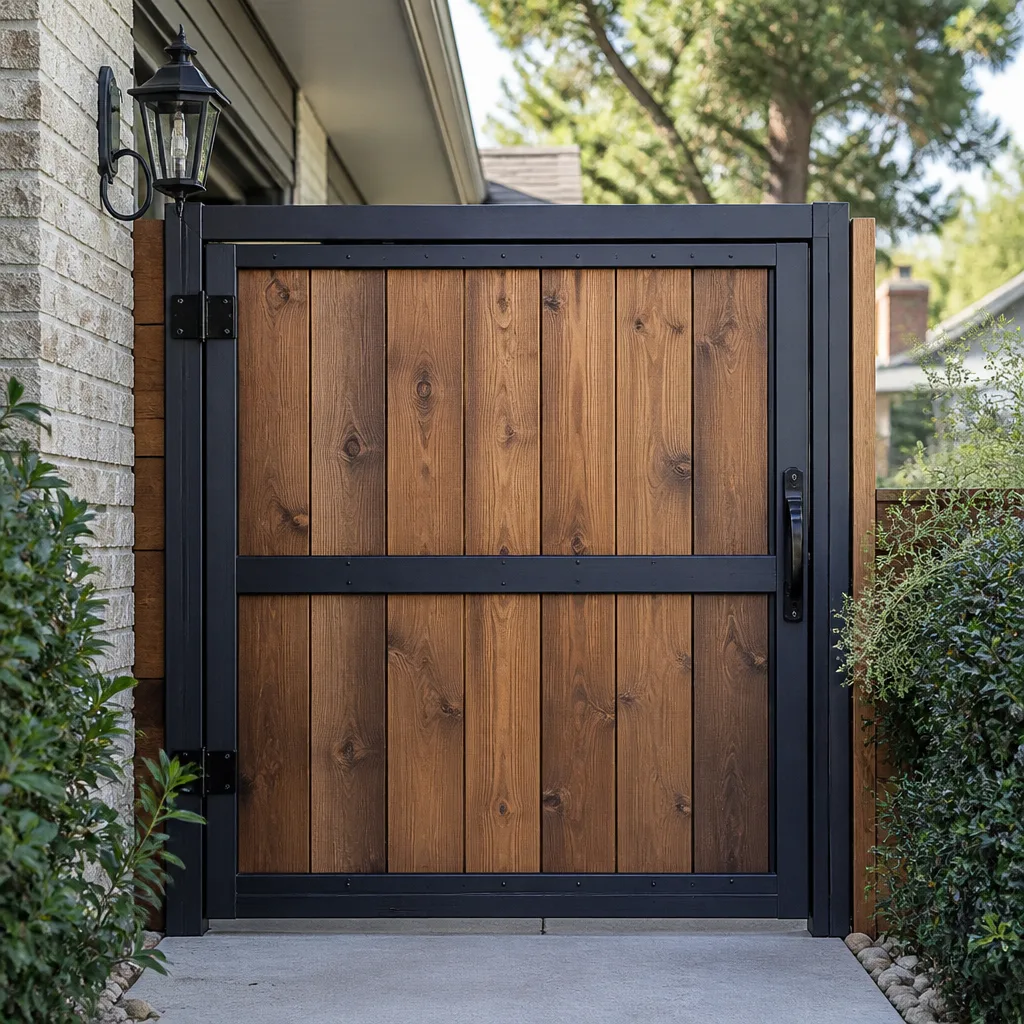 Wood & steel frame
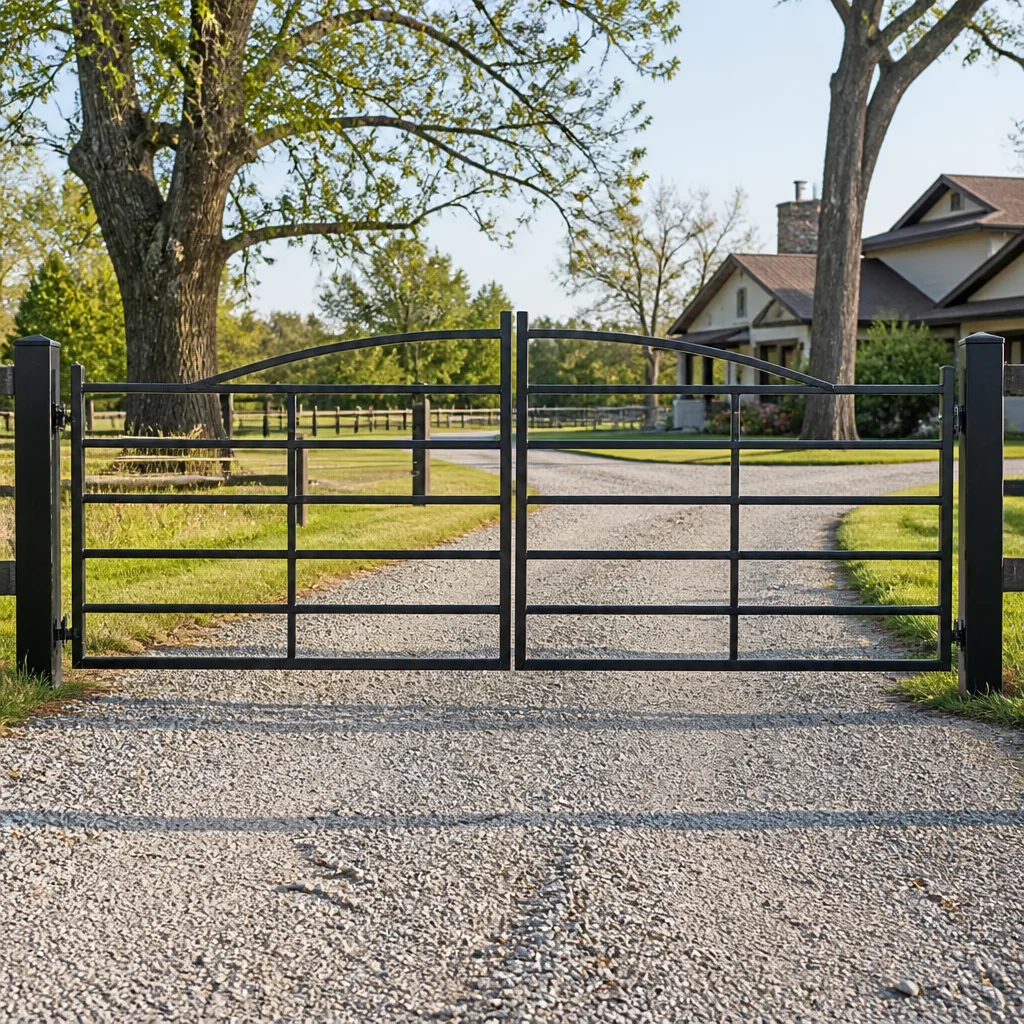 Farm & ranch
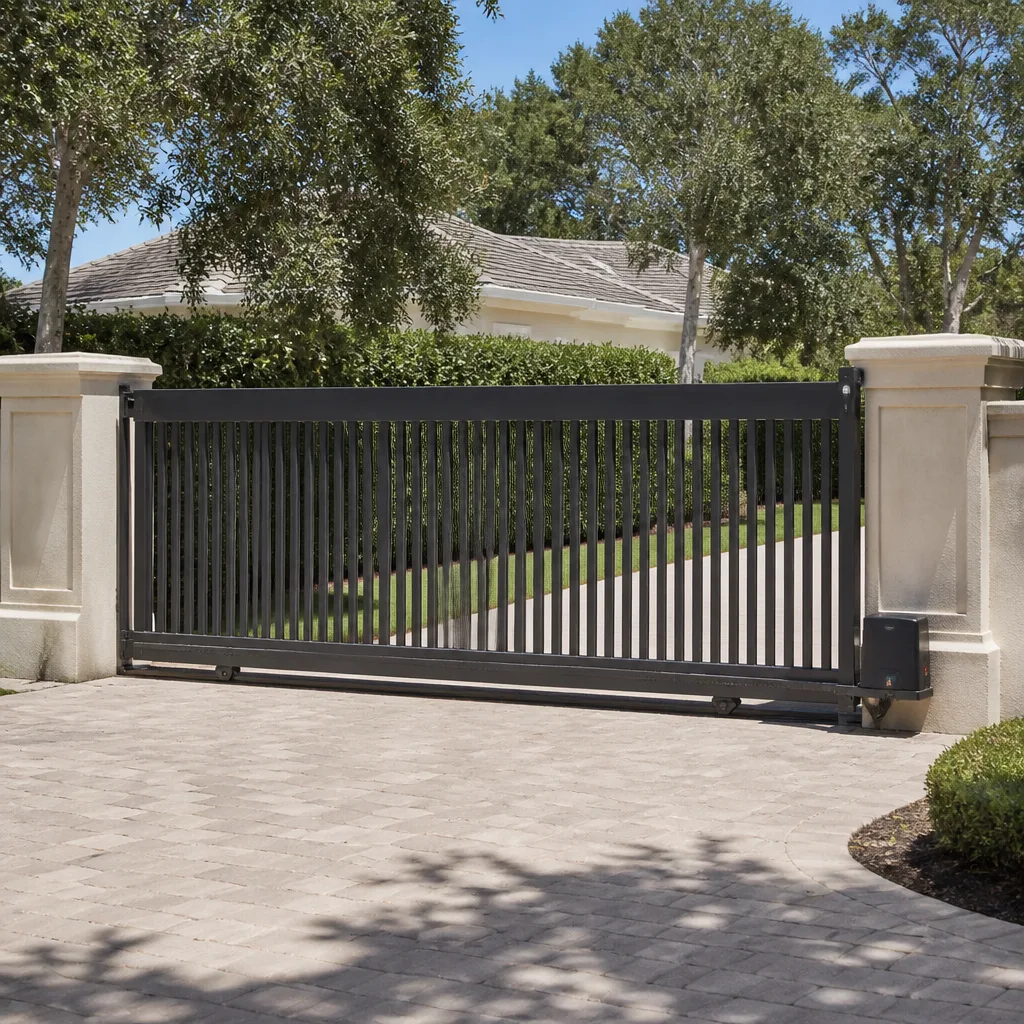 Sliding driveway gates
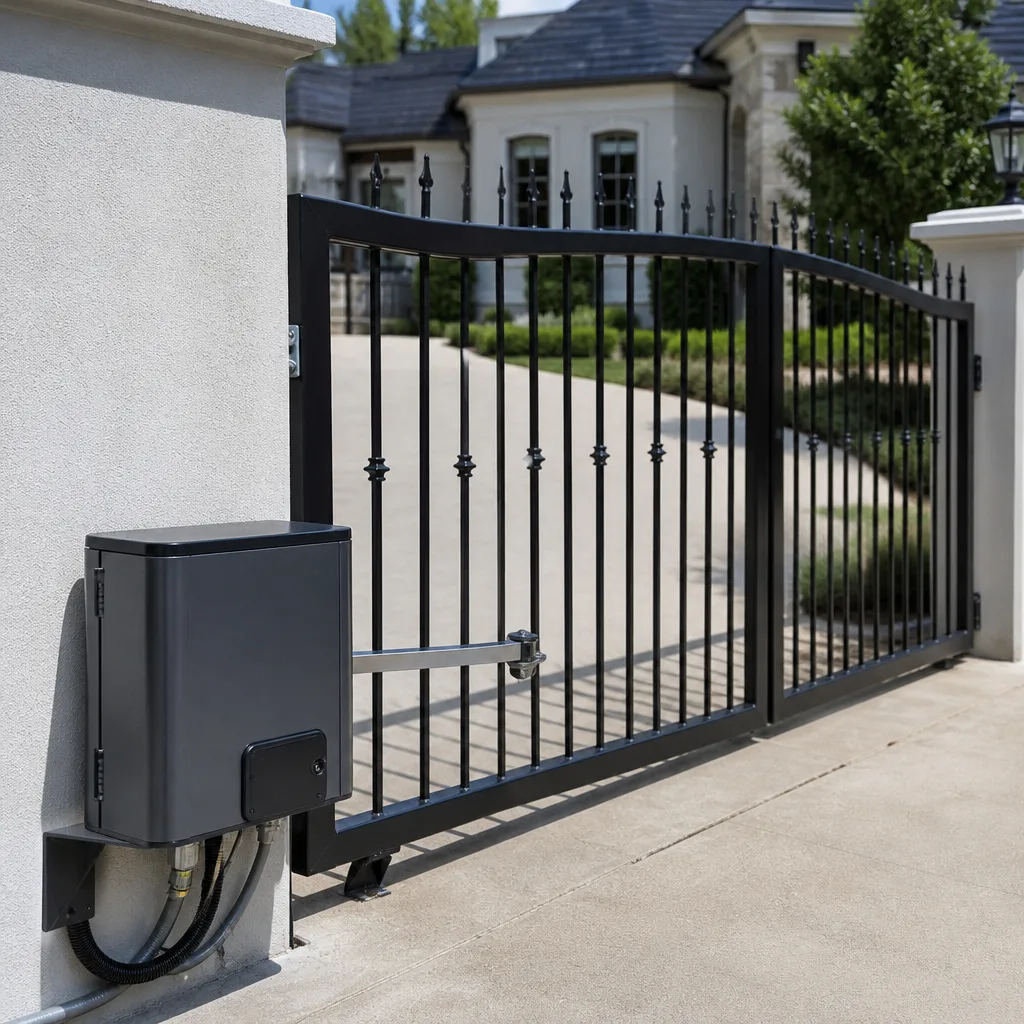 LiftMaster operators
Free on-site gate assessment - hinges, posts, and your LiftMaster or Nice gate operator checked before anything is quoted
The assessment is free and the quote is the invoice.
Get your free estimateGate Repair Permits, Codes & Inspections in CA: What You Need to Know
Replacing a gate operator in California without understanding UL 325 compliance requirements isn’t just a code violation. It creates a product liability gap that can invalidate your homeowner’s insurance claim if the gate injures someone. Most Fontana homeowners don’t discover this until a real estate disclosure form or an insurance adjuster asks pointed questions about the gate’s history. This guide draws the exact line between unpermitted maintenance and code-triggering modification, explains what UL 325 actually requires, and shows you how San Bernardino County and Fontana enforce these rules differently than most people assume.
Quick Answer
In California, like-for-like gate repair (replacing a hinge, wheel, sensor, or same-spec operator) generally does not require a building permit. However, any modification that changes the gate’s structure, electrical load, operator type, or entrapment protection system crosses into permit territory, and automated gates must comply with UL 325 entrapment protection standards regardless of whether a permit is pulled. In Fontana, enforcement runs through San Bernardino County’s building department, which applies its own interpretation of the California Building Code (CBC) and California Electrical Code (CEC).
Styles & brands we work with
Table of Contents
- Where California Draws the Line: Permit vs. Like-for-Like Repair
- UL 325 in Plain Language: What It Actually Mandates
- Grandfathering Rules: What Existing Gates Can Keep
- How Fontana and San Bernardino County Process Gate Permits
- Code-Compliant Repair: Installing a New Operator on an Old Gate
- Your Liability When Unpermitted Work Is Discovered
- What Inspectors Actually Check on Gate Work
- Permit Fees and Timeline Expectations in Fontana
Where California Draws the Line: Permit vs. Like-for-Like Repair
The California Building Code (CBC) does not use the phrase “major vs. minor” when it comes to gate work. The actual threshold is whether the work is like-for-like or modifying. This distinction matters because it determines whether you need a permit, whether an inspection is required, and whether your work will be flagged during a future home sale. Here is the practical breakdown we use when advising Fontana clients:
- Like-for-like repair (no permit): Replacing a worn hinge with the same type and size. Swapping a failed gate wheel. Replacing a damaged sensor with an identical model. Replacing a broken operator with one of the same voltage, horsepower class, and UL 325 entrapment protection configuration. Re-greasing tracks. Tightening or replacing bolts. Welding a crack in a steel gate frame when the structural design does not change.
- Modifying work (permit likely required): Changing from a swing gate to a slide gate or vice versa. Increasing operator horsepower beyond the original spec. Adding a new operator to a gate that previously opened manually. Any change to the gate’s footprint, height, or structural steel. Rerunning the electrical feed or changing the circuit’s amperage. Installing a new gate where none existed.
The CBC classifies automatic vehicular gates as subject to both the Building Code and the Electrical Code. Section 3110 of the CBC addresses automatic vehicular gates specifically. The key phrase inspectors look for is “alteration to the entrapment protection system.” If a repair touches the photo eyes, edge sensors, or control board in a way that changes how the gate’s safety system behaves, the work is considered an alteration, not a repair.
In Fontana, the practical enforcement line is: if the operator plate and the gate frame are unchanged, you’re on the maintenance side. If either changes, you’ve crossed it. We tell homeowners this plainly because ambiguity benefits contractors who prefer to skip permits. The Manor Gate Repair home approach is to quote the work accurately, permit included when required, so there’s no surprise later.
UL 325 in Plain Language: What It Actually Mandates
UL 325 is the national safety standard for automatic gate operators, and California’s Building Code incorporates it by reference. The standard exists to prevent entrapment: the crushing or pinning of a person between a moving gate and a fixed object. It was revised significantly in 2016 and again in 2018 after multiple injury and fatality lawsuits against property owners and operators.
Here’s what UL 325 requires for residential automated gates in California:
- Two independent entrapment protection devices. The standard is “two independent means.” For most residential gates this means a pair of monitored photo eyes (external entrapment protection) plus an inherent reversing mechanism in the operator (internal entrapment protection). If the gate is a slide gate, the photo eyes must be positioned to cover the full travel path. If it’s a swing gate, the photo eyes must be set so the gate reverses before contacting a person.
- Contact sensing edges on gates that can trap against a solid object. If the gate closes against a post, wall, or pillar, a pressure-sensing edge or equivalent device is required to stop and reverse the gate when it meets resistance. This applies to swing gates that close against a fixed surface.
- Warning signage. Every automated gate must display a UL 325-compliant warning placard, visible from both sides. The sign must state that the gate can operate automatically and that pedestrians should keep clear. This is often the first thing an inspector checks.
- Monitored device circuits. Photo eyes and edges must be wired as “monitored” devices, meaning the control board continuously checks that they are connected and functional. If a device is unplugged or fails, the operator must refuse to close the gate automatically.
- Audio or visual alarm for certain operator types. Operators that use contact sensing as their sole means of protection (rare in residential work but present on some older installations) require an audible alarm that sounds before and during gate movement.
The products we service follow these rules across every brand. Whether the operator on the gate is a LiftMaster, DoorKing, or Elite unit, the UL 325 requirements are identical. The standard applies to the installation, not the brand. We do see older Mighty Mule openers on rural Fontana-adjacent properties where the original installer skipped the photo eyes entirely. Those gates are non-compliant the day they’re installed, and the liability sits with the property owner regardless of who did the work.
Grandfathering Rules: What Existing Gates Can Keep
California does not have a blanket grandfather clause for automated gates. A gate installed in 1995 does not automatically get a pass on UL 325. What exists instead is a repair-triggered upgrade requirement.
Here’s how it works in practice:
- Untouched existing gate: If the gate has operated continuously since installation and no repairs have altered the operator or entrapment protection system, it can remain as-is. No mandatory retrofit.
- Operator replacement: The moment you replace the operator, even with the same brand and model, the new installation must meet current UL 325. The inspector will require photo eyes, monitored circuits, and signage at the current standard, not the standard that existed when the gate was built. This is the single most common surprise in Fontana gate repair. A homeowner budgets $900 for an operator and learns the compliant installation requires photo eyes, new wiring, and a monitored edge: a $1,900 job.
- Control board replacement: Swapping a failed control board in an existing operator is generally considered a repair, not an alteration, provided the replacement board is the same part. However, if the board is upgraded to a newer version with different logic, the inspector may treat it as an operator replacement.
- Photo eye replacement: Replacing a failed photo eye with an identical or equivalent model is a repair. Adding photo eyes where none existed is an alteration, and it changes the gate’s compliance status.
The governing principle from the California Building Code is “work shall not decrease the level of safety.” Any repair or replacement that leaves the gate less safe than before is a violation. Any repair that maintains the safety level is legitimate. This is why we document the before-and-after condition of every electric gate repair in Fontana. If a question comes up later about whether the gate was code-compliant, the documentation answers it.
How Fontana and San Bernardino County Process Gate Permits
Fontana is a chartered city within San Bernardino County, but it does not operate its own building department for most permit types. Gate-related permits in Fontana are issued and inspected by San Bernardino County Building and Safety, which operates under a countywide set of procedures that differ in important ways from neighboring jurisdictions like Ontario or Rancho Cucamonga.
The process for a gate modification permit in Fontana typically looks like this:
- Determine permit type. Gate work is usually classified as a “residential miscellaneous” permit if it’s structural, or an “electrical” permit if the work is limited to the operator and its feed. If the work includes both, the county may require both permits.
- Submit a site plan. For gates that change position, height, or setback, the county requires a simple plot plan showing the gate’s location relative to the property line, driveway, and any sidewalks or public right-of-way.
- Submit electrical specifications if the operator is new or upgraded. The county wants the operator’s voltage, amperage, and UL listing. Most inspectors in San Bernardino County are familiar with the major residential brands: LiftMaster, DoorKing, Elite, Linear. They are not brand-particular, but they do want to see the UL mark.
- Pay the fee and schedule the inspection. Permit fees for gate work in Fontana are typically in the $80 to $250 range, depending on the scope. We cover the exact numbers in the cost section below.
- Pass the inspection. The county inspector will check the operator’s UL listing, the presence and function of entrapment protection devices, warning signage, and electrical grounding. For gates visible from the street, the inspector may also check setback compliance with the original site plan.
One practical difference we see in San Bernardino County versus city-level departments in Los Angeles County is the tolerance for homeowner-pulled permits. San Bernardino County inspectors tend to be cooperative with homeowners who pull their own permits for simple work, but gate automation is not simple work. The electrical runs, grounding, and entrapment protection circuits are exactly where do-it-yourself permits get failed. For our Electric Gate Repair in Fontana clients, we pull permits when the scope requires it and manage the inspection directly.
Code-Compliant Repair: Installing a New Operator on an Old Gate
This is the scenario that confuses more Fontana homeowners than any other: the gate frame is fifteen years old, built before UL 325’s 2018 revisions, and the operator finally dies. The homeowner wants the gate working again. The question is whether the new operator can simply bolt on, or whether the entire gate system must be brought up to current code.
The answer, per the CBC and UL 325, is: the operator installation is new work, and new work meets current code. The gate frame itself can remain as-is if it is structurally sound. But everything the operator touches must meet today’s standard. That means:
- Monitored photo eyes are non-negotiable. Even if the old gate had none. The new operator manufacturer’s installation instructions require them, and the UL listing is void without them.
- The electrical feed must be grounded and sized correctly. Old gates often have undersized wire or ungrounded circuits. The new operator’s amp draw matters. A DoorKing or Elite slide gate operator typically draws more than the flooded-battery actuators of two decades ago.
- Warning signs must be installed. Two placards, one per side, fixed to the gate or adjacent structure.
- If the gate is a swing type closing against a post, a contact edge is required. This is the one most homeowners resist because it adds $200 to $400 to the job. But the inspector will ask for it, and the liability case law is clear: a gate that pins a child against a post without a sensing edge is a plaintiff’s verdict waiting to happen.
We handle this kind of retrofit regularly in Fontana. The honest conversation is: you can put a $600 operator on a non-compliant gate, and it’ll work, and nobody will stop you. But if that gate injures someone, your homeowner’s insurance carrier will investigate, find the non-compliant installation, and deny the claim. The UL 325 standard exists precisely because these gates have killed people. Gate Installation in Fontana done right includes the safety equipment, not as an upsell but as the minimum legal standard.
Your Liability When Unpermitted Work Is Discovered
California property owners carry liability for unpermitted work whether they did it themselves or paid a contractor. This is not a gray area. The discovery of unpermitted gate work happens in three common scenarios in Fontana:
- Home sale disclosures. The California Residential Purchase Agreement asks the seller to disclose all unpermitted improvements. A gate with a new operator and no permit is an unpermitted improvement. If the seller fails to disclose and the buyer discovers it later, the seller faces a misrepresentation claim. Fontana’s real estate market has enough buyer scrutiny that unpermitted gate work gets flagged during escrow inspections.
- Insurance claims. If a gate falls on a vehicle, a person, or a delivery driver, the homeowner’s insurance company investigates the cause. The adjuster will ask when the operator was installed, by whom, and whether a permit was pulled. An unpermitted operator that fails or causes injury is a grounds for claim denial. This is the product liability gap we mentioned at the top: the manufacturer’s UL listing assumes a compliant installation. An unpermitted, non-compliant installation puts the entire liability on the property owner.
- Code enforcement complaints. Fontana Code Enforcement responds to complaints about unsafe conditions. A gate that opens into the public sidewalk, a gate with exposed wiring, or an automated gate with no safety signage can draw a notice of violation. Once a notice is issued, the property owner must correct the issue with a permit and an inspection, or face progressive fines.
The practical lesson: the $200 permit fee is the cheapest liability insurance you’ll ever buy. We say this to every Fontana client who asks whether they can skip it. No reputable contractor will encourage a client to violate the law, and no careful homeowner should accept the risk.
What Inspectors Actually Check on Gate Work
San Bernardino County inspectors follow a consistent checklist for automated gate inspections. Knowing what they’re looking for helps Fontana homeowners pass on the first visit. Here’s the typical inspection sequence:
- UL listing on the operator. The inspector asks to see the operator’s UL mark and model plate. Operators from LiftMaster, DoorKing, Elite, and Mighty Mule all carry the listing, but the inspector wants to verify the unit matches the permit.
- Entrapment protection function. The inspector will block the photo eyes mid-travel to confirm the gate stops and reverses. If the gate keeps closing, the inspection fails. They will also test a contact edge, if one is required, by pressing on it.
- Warning signage. Two placards, readable, mounted at appropriate height. Missing signs are a fail.
- Electrical grounding. The operator’s ground wire must be connected and the circuit properly bonded. Ungrounded operators are a fail and a serious fire and shock risk.
- Setback and encroachment. For swing gates that open outward, the inspector checks that the gate’s sweep area does not encroach on the public right-of-way. For slide gates, they check that the gate cannot over-travel into the street.
- Manual release function. The gate must be operable by hand in the event of a power failure. The inspector will pull the release and confirm the gate can be moved.
Most failed inspections in Fontana fall on one of two items: missing photo eyes or missing signage. Both are inexpensive to fix but easy to overlook when the work is done by someone who doesn’t do gate automation every day.
Permit Fees and Timeline Expectations in Fontana
Here’s what Fontana homeowners should budget for gate-related permits through San Bernardino County. These are current market ranges, not exact quotes, and permit fees do adjust.
- Electrical permit for operator replacement: $80 to $160, depending on the scope.
- Residential miscellaneous permit for structural gate work: $120 to $250.
- Combined structural and electrical permit: $200 to $400.
- Inspection scheduling: 3 to 10 business days after the permit is issued, depending on county inspector availability.
- Plan review for complex gates: 1 to 3 weeks if the county requires a formal plan review. Most residential gates do not.
The total permit cost for a typical Fontana gate project, including operator replacement with full UL 325 compliance, is usually under $400. That’s the cost of doing it right. The cost of doing it wrong, measured in denied insurance claims or failed home sale disclosures, is orders of magnitude higher.
For a full picture of what a complete repair or replacement might cost in your situation, Gate Repair in Fontana is our service page with pricing context.
Common Mistakes to Avoid
- Skipping the permit on an operator replacement because “it’s just a swap.” A new operator is new electrical equipment. It triggers UL 325 compliance and, in most Fontana cases, a permit. The “swap” logic doesn’t hold when someone gets hurt.
- Installing a new operator on an old gate without photo eyes. The operator will work, but the installation is not code-compliant, and the homeowner owns the liability. We see this on older Mighty Mule installs in the unincorporated county areas around Fontana.
- Reusing the old operator’s wiring for a bigger unit. A DoorKing slide operator draws more current than an old actuator. Undersized wire causes voltage drop, overheating, and premature board failure. The wire is part of the code question.
- Leaving warning signs off because “the gate is in the backyard.” UL 325 does not care where the gate is. Every automated gate needs signage, and the inspector will check.
- Buying an operator online and expecting a contractor to install it without a permit. Most licensed contractors will decline. The ones who agree are the ones who won’t be around when the inspection fails or the injury claim lands.
- Assuming the old gate is grandfathered. Grandfathering applies to untouched installations, not to gates that receive new equipment. The moment you touch the operator, current code applies.
- Paying cash for gate work with no paper trail. If the work fails and injures someone, there’s no record of who did it, when, or to what standard. The homeowner stands alone. We recommend a written invoice, a permit when required, and a record of the UL 325 compliance items installed.
See the difference
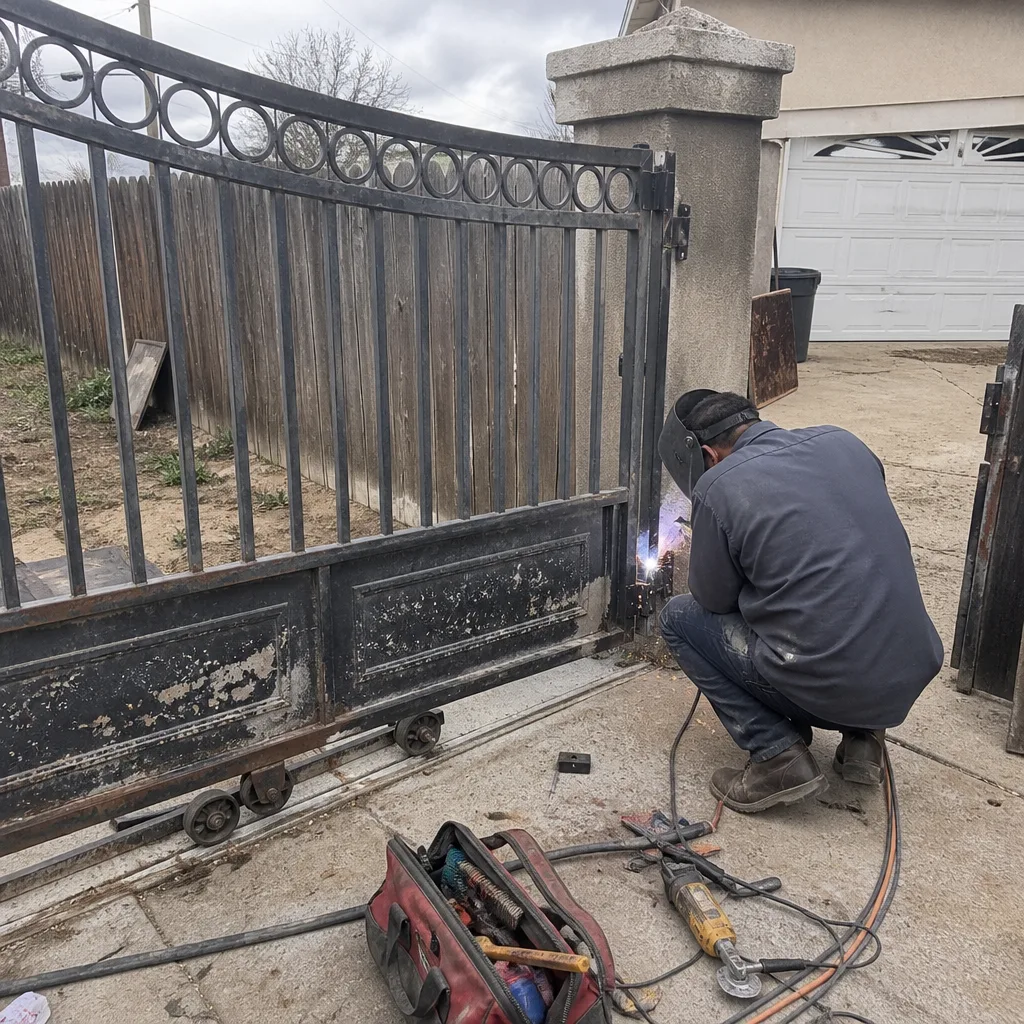 Before
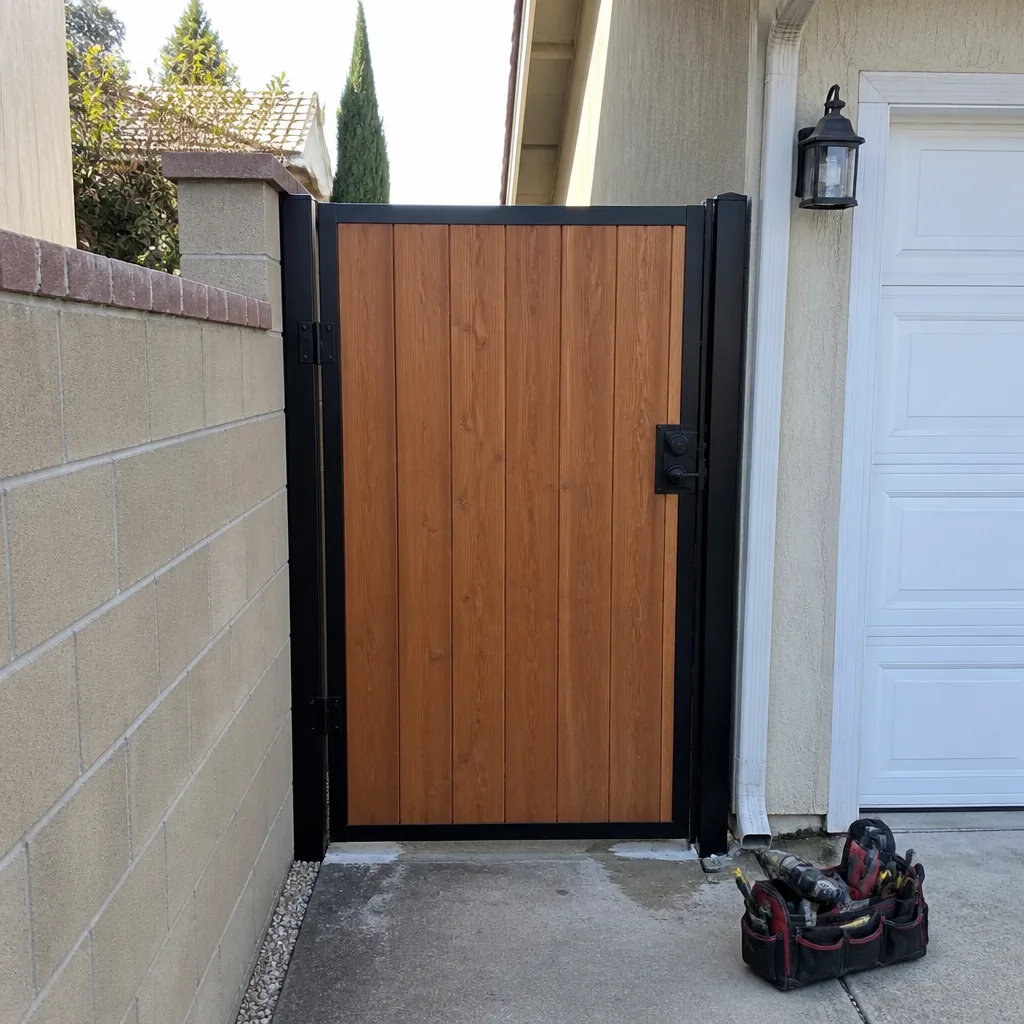 After
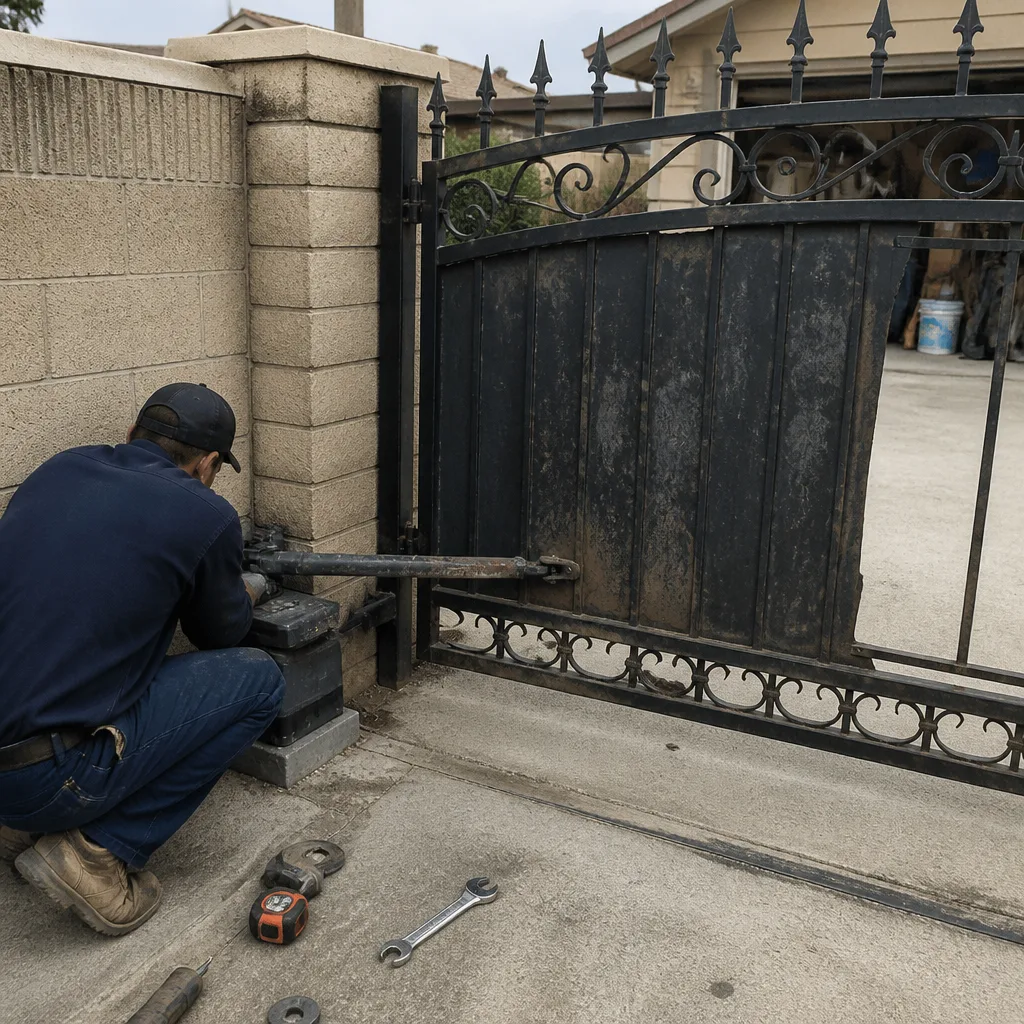 Before
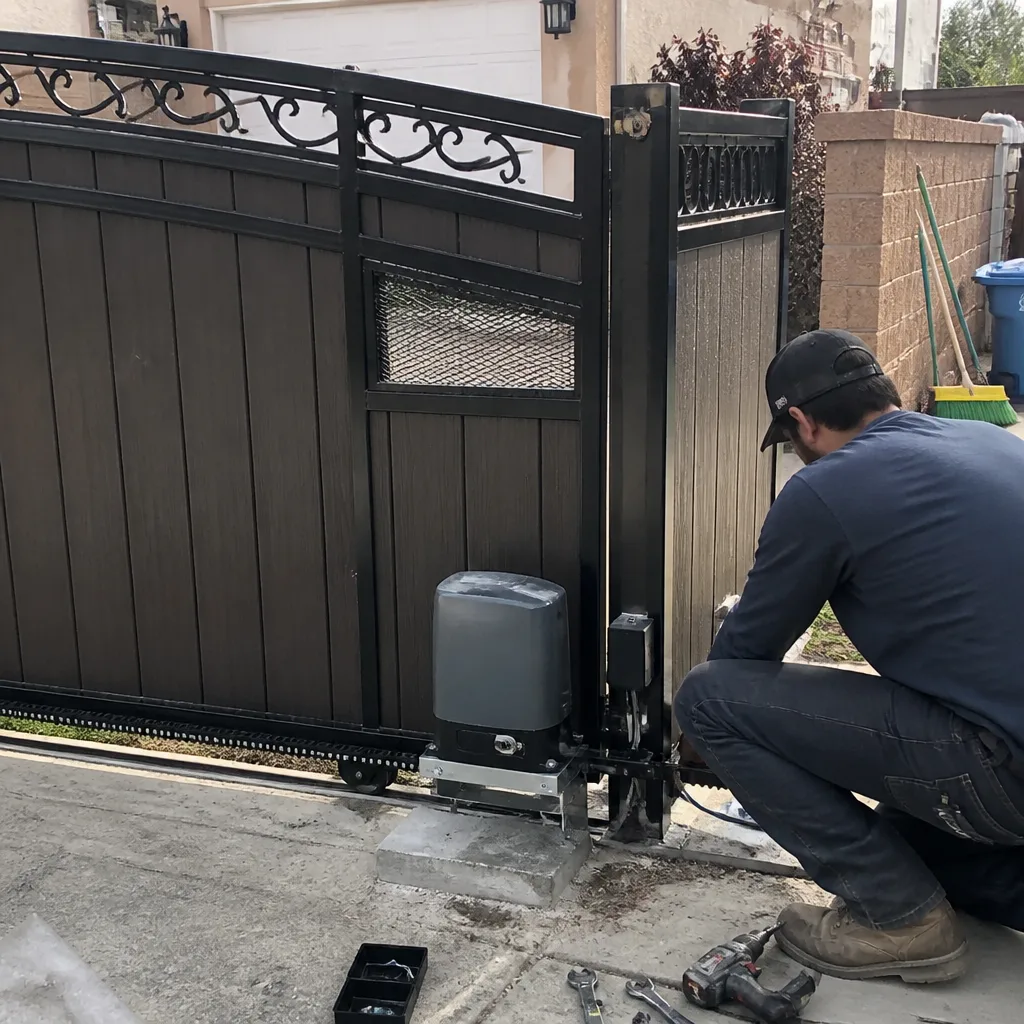 After
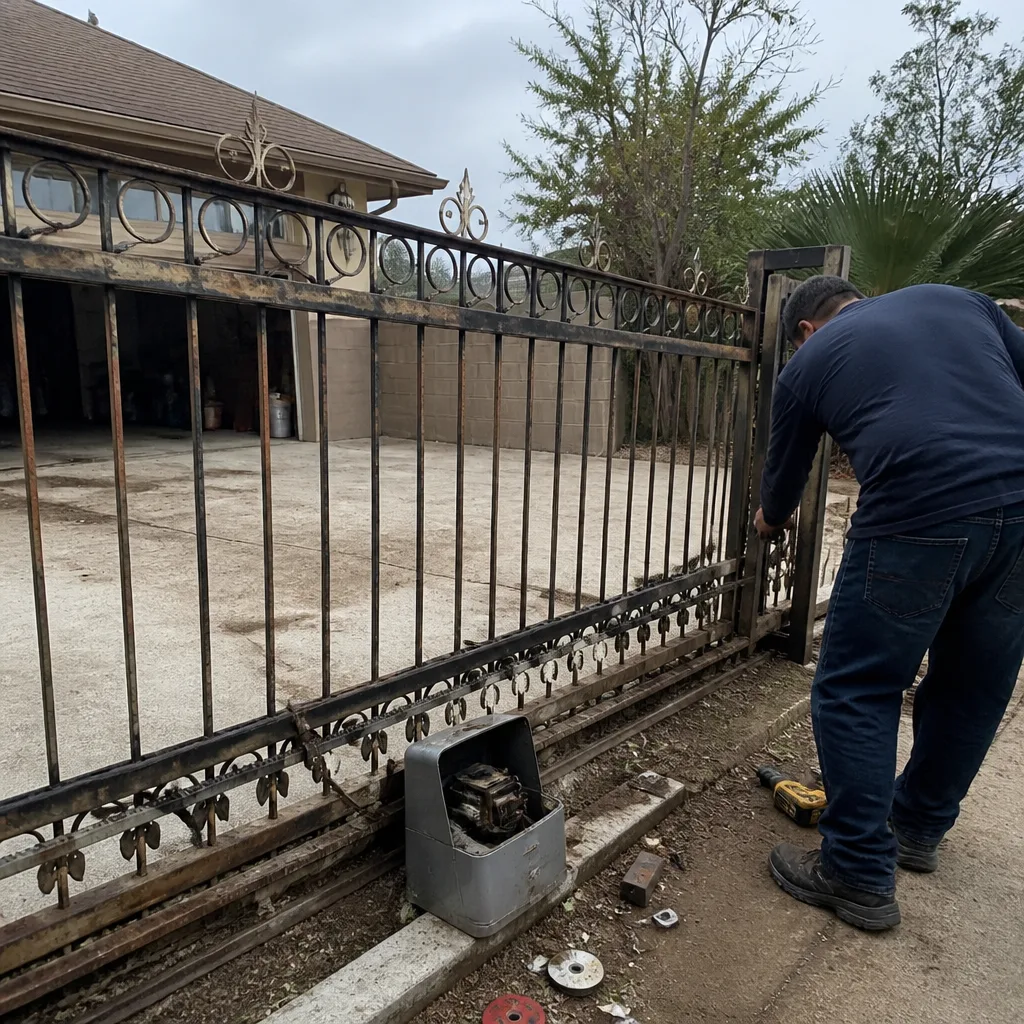 Before
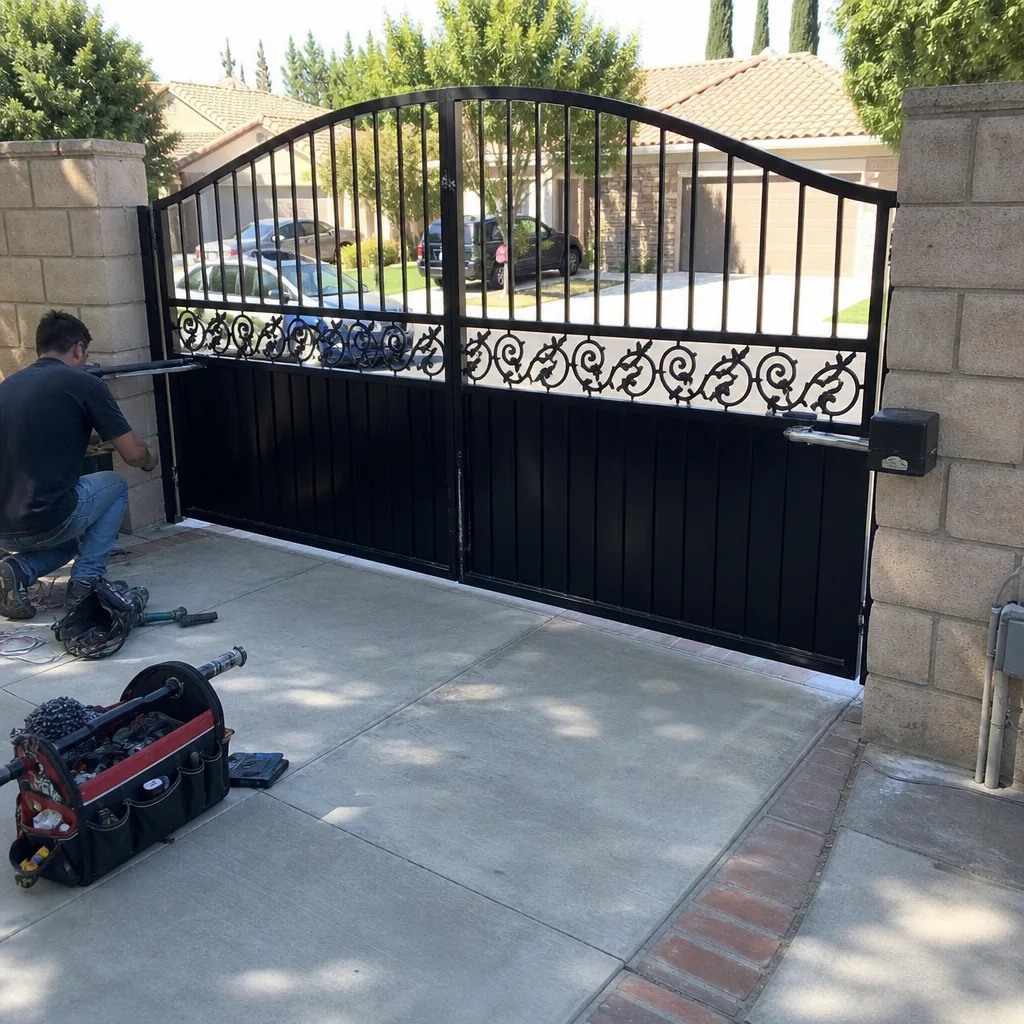 After
When to Call a Professional
If your Fontana gate project involves an operator replacement, new automation, or any change to the entrapment protection system, that’s professional territory. The electrical work requires a California C-10 or C-61/D-28 license, and the UL 325 compliance details are easy to get wrong. The same applies to any gate that a home inspector has flagged, any gate involved in an insurance claim, or any gate being installed for a new construction or major remodel. Manor Gate Repair offers free estimates in Fontana. Call (844) 703-6053 and we’ll assess your gate, determine whether a permit applies, and quote the work honestly.
Frequently Asked Questions
In most cases, yes. Replacing a gate operator with a new unit, even the same brand, is considered new electrical work and triggers current UL 325 compliance. The permit goes through San Bernardino County Building and Safety. Call (844) 703-6053 for help determining whether your specific project needs one.
UL 325 requires two independent entrapment protection devices, monitored wiring, warning signage on both sides of the gate, and a manual release for power failures. If your gate closes against a post or wall, a contact sensing edge is also required.
Yes, provided the gate frame is structurally sound and the new operator installation meets current UL 325 standards. The gate frame itself is not required to be replaced, but everything the operator touches, including photo eyes, wiring, and signage, must meet today’s code.
Gate-related permits in Fontana through San Bernardino County typically run between $80 and $400, depending on whether the work is electrical only, structural only, or a combination. For an exact quote on your project, call (844) 703-6053.
The California Residential Purchase Agreement requires sellers to disclose unpermitted improvements. Failure to disclose can result in a misrepresentation claim after the sale. Unpermitted gate automation is a common escrow flag in Fontana’s market, and it typically costs more to rectify after a buyer’s inspector finds it than it would have cost to permit it originally.
Yes. For Electric Gate Repair in Fontana projects that require a permit, we manage the San Bernardino County application and inspection process. For Gate Installation in Fontana, permits are part of the scope when the county requires them. Call (844) 703-6053 to discuss your project.
The Bottom Line
California gate permitting is not a gray area when you understand the governing principle: like-for-like repair stays on the maintenance side, and anything that changes the structure, electrical system, or entrapment protection crosses into permit territory. UL 325 applies to every automated gate operator installed today, regardless of brand, and the liability for non-compliance sits squarely with the property owner. In Fontana, the permit process runs through San Bernardino County at a cost that’s trivial compared to the insurance and disclosure risks of skipping it. If you’re unsure where your gate project falls, get a professional assessment before you spend money. Call Manor Gate Repair at (844) 703-6053 for a free estimate.
Written by the team at Manor Gate Repair, serving Fontana since 2014.