
Last updated October 31, 2026
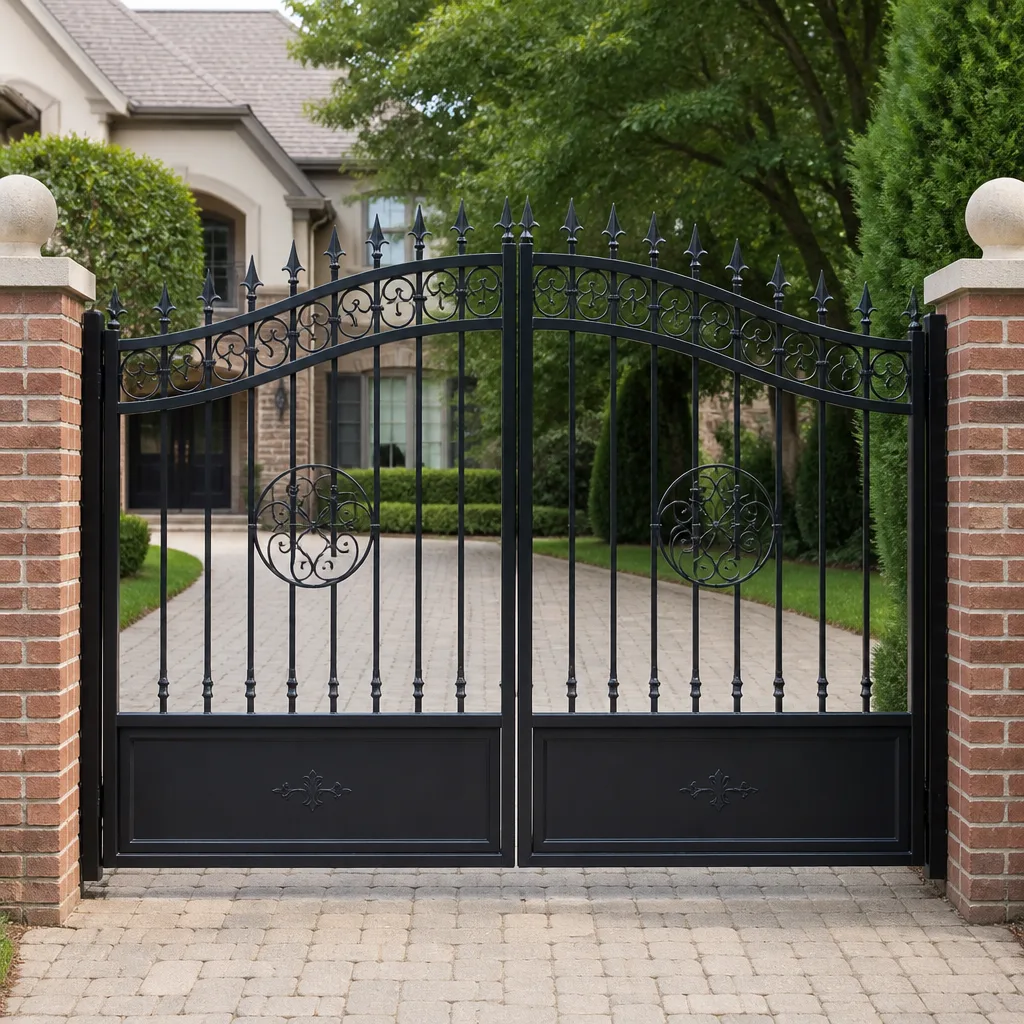 Wrought iron
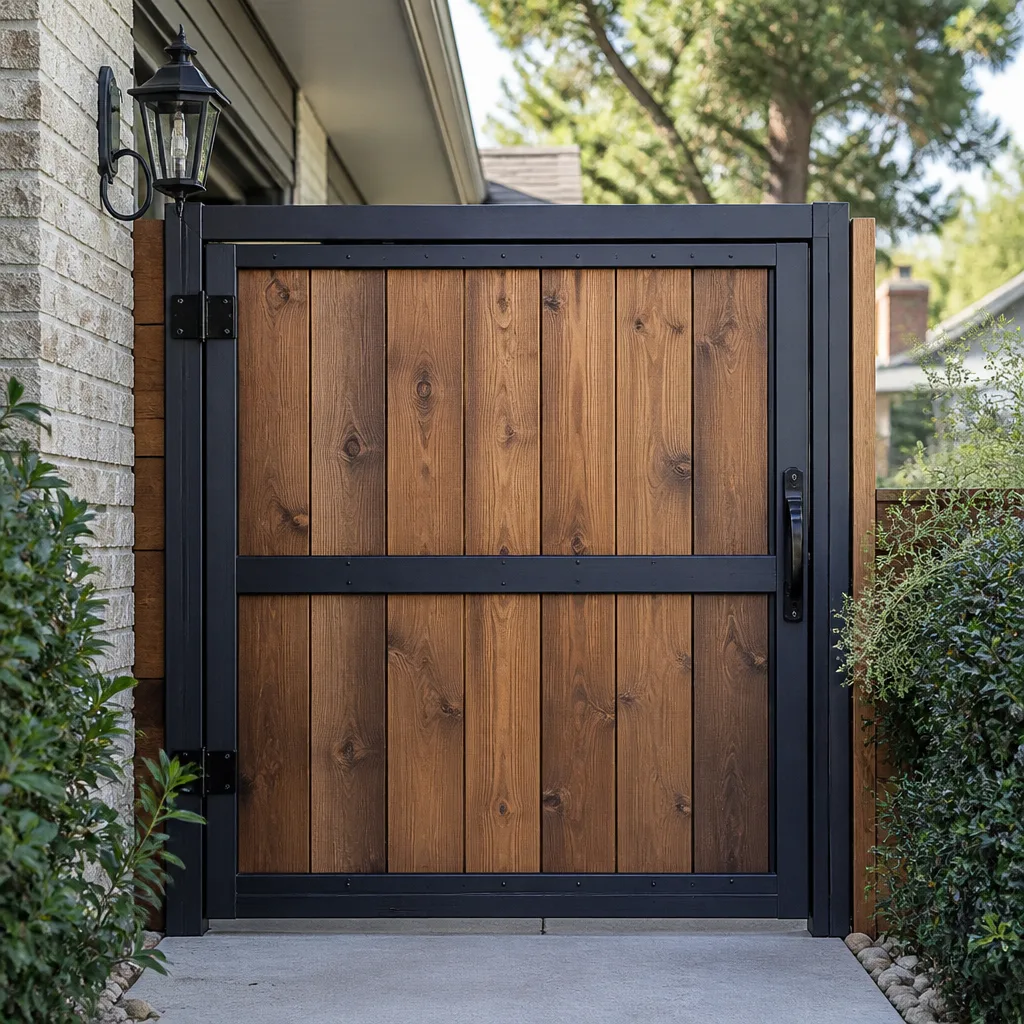 Wood & steel frame
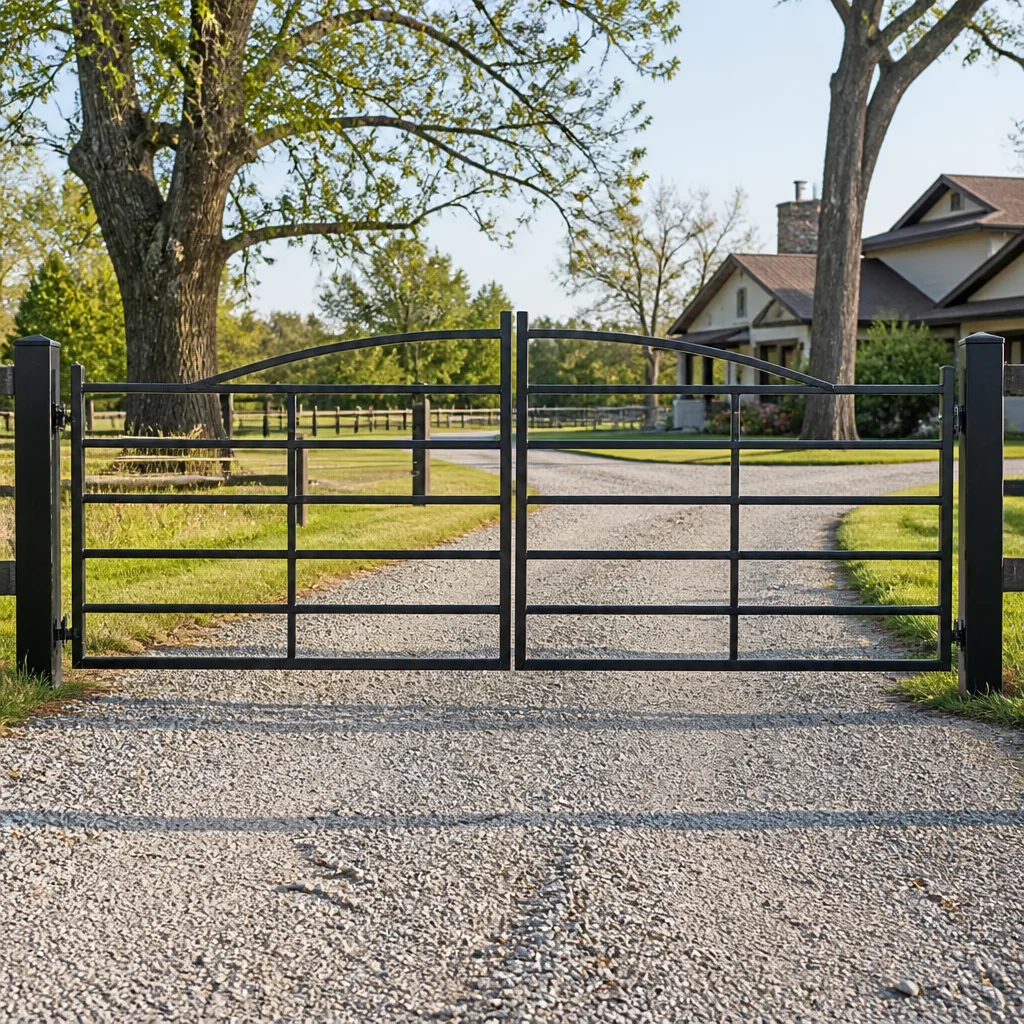 Farm & ranch
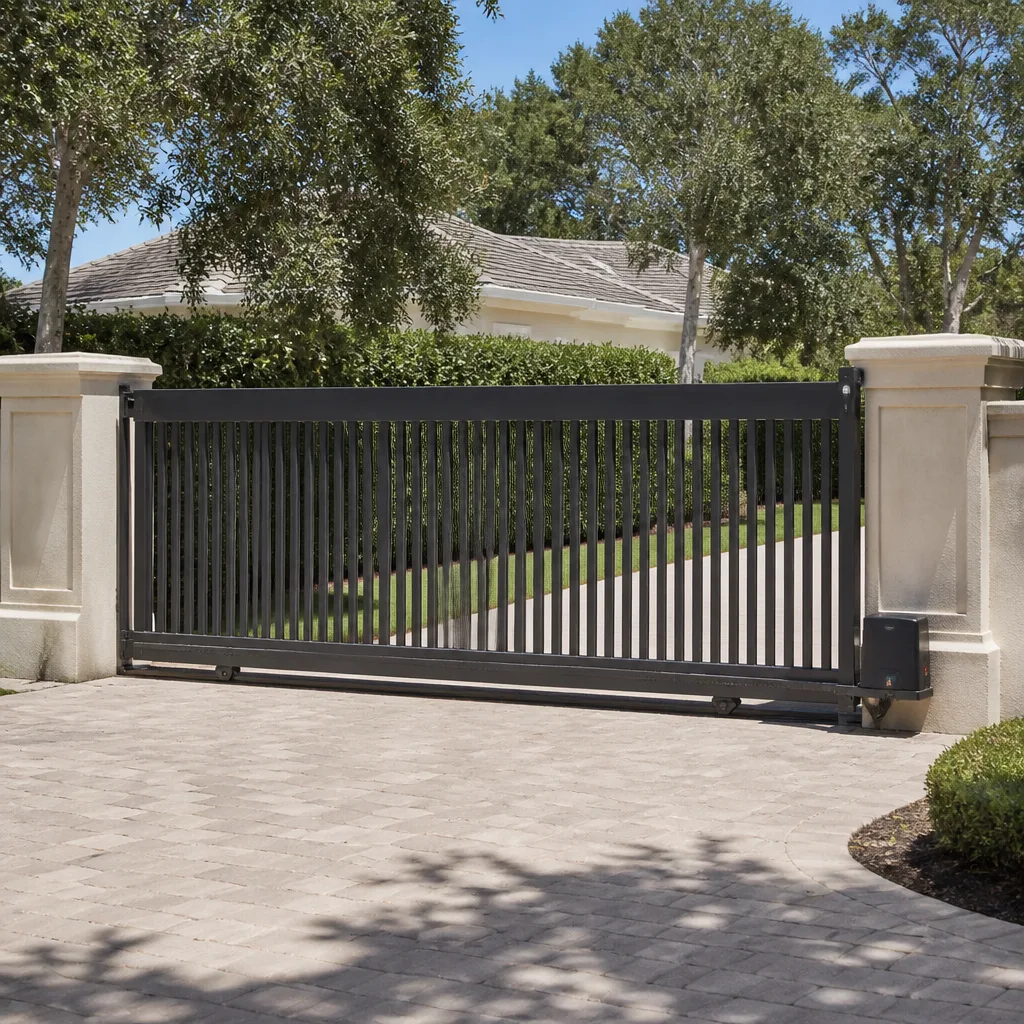 Sliding driveway gates
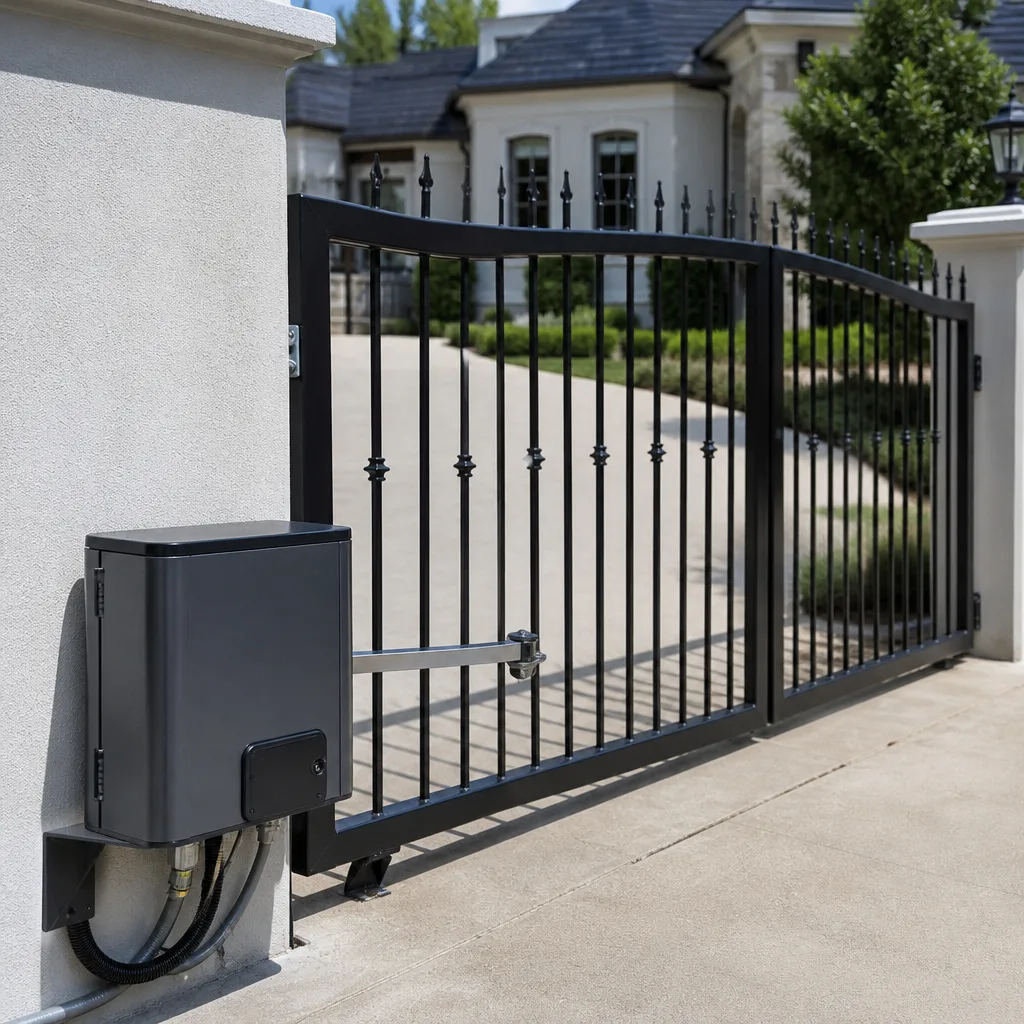 LiftMaster operators
Free on-site gate assessment - hinges, posts, and your LiftMaster or Nice gate operator checked before anything is quoted
The assessment is free and the quote is the invoice.
Get your free estimateThe Complete Guide to Gate Repair in Fontana
Most gate failures in Fontana aren’t caused by the part that breaks. They’re caused by the part that was never adjusted after installation. The broken wheel you notice today is usually covering for a gate that’s been out of alignment for two years. The blown fuse traces back to a motor that’s been working against a stiff hinge since last summer. This guide maps the full matrix of mechanical, electrical, and environmental variables that compound differently on every Fontana property, so you can stop treating symptoms and start understanding the system you actually own.
Styles & brands we work with
Quick Answer
Gate repair in Fontana typically involves one of three systems: manual swing, electric swing, or sliding/rolling. Most failures stem from misalignment, worn hardware, or control board faults rather than the operator itself. A proper diagnosis starts with identifying whether the root cause is mechanical, electrical, or environmental, and a qualified gate specialist can assess all three in a single service visit.
Table of Contents
- The Three Gate Systems in Fontana
- How Fontana’s Climate Accelerates Gate Wear
- The Diagnostic Approach: Mechanical, Electrical, Environmental
- Common Gate Failures and What They Actually Mean
- Why Multi-Brand Familiarity Matters
- The Hidden Role of the Gate Post and Foundation
- The Repair Decision Tree: Defer, Fix, or Replace
- Common Mistakes to Avoid
- When to Call a Professional
- Frequently Asked Questions
- The Bottom Line
The Three Gate Systems in Fontana
Every gate in Fontana falls into one of three categories, and each requires a completely different diagnostic approach. Treating all gates as interchangeable is the fastest way to misdiagnose a problem and waste money on parts that don’t address the root cause.
1. Manual Swing Gates
These are the simplest systems: two hinges, a latch, and the gate leaf itself. But simple doesn’t mean trouble-free. A manual swing gate that drags on the ground or won’t latch properly is usually telling you something about the post. Over years of wind loading and soil movement, gate posts in Fontana shift. The gate that swung freely in 2019 might sag by 2026 because the post has tilted a few degrees. Repairs here focus on hinge replacement, post re-setting, latch alignment, and sometimes adding a support wheel to correct sag on wider gates.
2. Electric Swing Gates
Electric swing gates add an operator, a control board, safety sensors, and sometimes a keypad or intercom. The mechanical components still matter, but now they’re working against a motor. If the hinges are stiff, the motor draws more current. If the gate is out of balance, the operator’s limit switches struggle to find the correct stopping point. Electric swing gate repair in Fontana often starts with the mechanical side because a binding hinge can mimic a failing motor. We work on the brand you already have, whether that’s a FAAC operator or a Viking control board.
3. Sliding and Rolling Gates
Sliding gates move on a track with rollers, or they’re cantilevered and ride on bearings. The failure points are different: wheels wear flat, tracks clog with debris, chain drives stretch, and the gate frame itself can flex. Fontana’s dry, dusty conditions mean track buildup happens faster than homeowners expect. A sliding gate that shudders when it moves is usually fighting debris or a flattened roller. The motor might be perfectly fine.
Understanding which system you have is step one. Step two is understanding how your specific environment in Fontana is working against that system.
How Fontana’s Climate Accelerates Gate Wear
Fontana sits in a wind corridor that runs through the Cajon Pass and across the Inland Empire. The Santa Ana winds that arrive each fall don’t just push your gate; they create a constant, repetitive stress load on hinges, posts, and the operator’s gear train. A gate that opens and closes four times a day experiences thousands of cycles per year. Add sustained wind pressure against the gate leaf, and you’ve multiplied the effective load on every moving component.
Temperature swings compound the problem. Fontana regularly sees daily temperature spreads of 30 degrees or more. Metal expands during the afternoon heat and contracts overnight. Over years, this thermal cycling loosens fasteners, warps gate frames, and stresses weld points. Copper wiring in the operator’s external connections expands and contracts at a different rate than the terminals, which can loosen connections and create intermittent faults that are notoriously hard to diagnose.
Dust is the third factor. Fontana’s dry climate and proximity to the 15 and 210 freeways means fine particulate matter works its way into gearboxes, chain drives, and sensor lenses. A photo-eye sensor that’s coated in dust will intermittently fail to detect an obstruction, causing the gate to reverse for no apparent reason or refuse to close. This isn’t an electronic failure; it’s environmental wear that a quick cleaning solves. But if you don’t know to look for it, you might replace a perfectly good sensor.
Compare this to coastal climates where salt corrosion is the main enemy, or mountain climates where snow load and freeze-thaw cycles dominate. Fontana’s specific challenge is wind-driven fatigue combined with thermal expansion stress and dust contamination. A gate specialist who works in Fontana every week has seen these patterns hundreds of times and checks for them first.
The Diagnostic Approach: Mechanical, Electrical, Environmental
When we diagnose a gate in Fontana, we work through three layers in order. This sequence matters because skipping ahead usually means misdiagnosing the root cause.
Step 1: Mechanical Check
Before touching any electronics, we inspect the physical gate. Is the gate level? Do the hinges move freely? Is there play in the post? Does the gate travel smoothly through its full arc or track? A mechanical fault will always stress the electrical system, so we rule it out first. This includes checking wheel wear on sliding gates, hinge pin wear on swing gates, and frame squareness on both.
Step 2: Electrical Check
Only after the mechanical system is verified do we test the operator, control board, sensors, and peripheral devices. This is where brand familiarity becomes critical. A FAAC control board has different diagnostic LED patterns than a BFT board. A Linear operator uses different limit switch logic than a Viking. Knowing what the board is trying to tell you saves time and prevents replacing parts that are actually fine.
Step 3: Environmental Check
The last layer is the property itself. Is the gate on the north side of the house where it gets afternoon sun on the control box? Is the keypad exposed to full sun for eight hours a day? Is the track accumulating debris from nearby landscaping? Is irrigation water hitting the gate post? These environmental factors often explain why the same component fails repeatedly on the same property while lasting years on another.
This three-layer approach is what separates professional gate repair in Fontana from swapping parts and hoping for the best.
Common Gate Failures and What They Actually Mean
Here’s what we see most often in Fontana, and what each symptom usually indicates. These aren’t isolated problems; they’re connected failures that tell a story about the system.
- Gate drags on the ground: Usually a post alignment issue or worn hinge. The gate hasn’t suddenly gotten longer; the pivot point has moved. Fixing the hinge without addressing the post means the problem returns within months.
- Operator hums but gate doesn’t move: The motor is getting power. The problem is usually a stripped gear, a broken drive chain, or a capacitor that’s failed. This is a component-level repair, not a full operator replacement.
- Gate reverses before fully closing: Most often a dirty or misaligned photo-eye sensor, especially during Fontana’s dusty months. Clean and realign first. If the problem persists, check the safety loop detector or the control board’s sensitivity settings.
- Gate opens on its own: This can be a failing limit switch, a stuck button on a remote, or a short in the low-voltage wiring. It’s also a security concern that should be addressed promptly.
- Intermittent operation: The most frustrating symptom and the most common. In Fontana’s temperature swings, loose connections expand and contract. A terminal that’s slightly loose will work in the morning and fail in the afternoon. These are found by methodical testing, not guesswork.
- Grinding or squealing noise: Worn roller bearings on sliding gates or dry hinge pins on swing gates. Lubrication helps temporarily, but replacement is the permanent fix.
What’s important to understand is that these symptoms often appear in combination. A gate that’s been dragging for a year has been overloading the motor. By the time the motor fails, you have two problems: the original alignment issue and the damaged operator. Fixing the operator alone is incomplete. The right fix addresses both.
Why Multi-Brand Familiarity Matters
Here’s a scenario we see regularly in Fontana. A homeowner has a LiftMaster operator that was installed in 2015. The contractor who installed it added a FAAC control board because it was available and compatible. The intercom at the street is a third brand entirely, wired into the system by a different technician. When the gate stops working, which company do you call? The LiftMaster dealer says the operator is fine. The FAAC dealer says the board is fine. The intercom company says their equipment is working. Meanwhile, your gate is stuck.
This is why brand-agnostic diagnostics matter. The fault might be in the interface between components, not in any single component. A technician who knows how LiftMaster operators interface with FAAC control boards, or how BFT boards communicate with third-party intercoms, can find the actual fault without replacing everything in sight.
Manor Gate Repair works on the brand you already have. We service nine major gate automation brands, including FAAC, BFT, Linear, and Viking. That breadth means we’re not pushing a replacement because we don’t stock parts for your brand. We diagnose the system as a whole. Brand-agnostic diagnostics from our electric gate repair team in Fontana mean we find the actual fault regardless of manufacturer.
The alternative, which we see too often, is a single-brand dealer who recommends replacing your entire system because their brand isn’t what you have. That’s the easy upsell, not the right fix. A FAAC board doesn’t need to be replaced because the technician only works on LiftMaster. It needs to be tested by someone who understands FAAC logic.
The Hidden Role of the Gate Post and Foundation
Here’s a fact that surprises most Fontana homeowners: roughly 80% of recurring mechanical gate failures trace back to the post or foundation. Not the operator. Not the hinges. The post.
Think about what a gate post does. It’s a vertical steel or wood member buried in concrete, supporting the entire weight of the gate leaf while resisting wind load, impact load, and the cyclical stress of opening and closing. In Fontana, the combination of wind corridor exposure and expansive clay soils means posts shift. The concrete footing can crack. The post can lean. Once the post moves, every component mounted to it is now working at an angle it wasn’t designed for.
A gate that’s out of level by just two degrees at the hinge translates to significant sag at the latch end on a 14-foot gate. The latch no longer aligns. The operator’s limit settings no longer match the physical reality. The hinges bind. The motor works harder. And eventually something fails. The broken hinge or burned motor is the symptom. The shifted post is the cause.
This is why surface-level repairs often fail. Replacing the hinge on a leaning post means the new hinge inherits the same stress. Within a year, it’s worn again, and the homeowner thinks they bought a defective part. They didn’t. The repair was incomplete because the post was never addressed.
Proper post repair in Fontana involves assessing the footing, re-setting the post if necessary, and often using a larger diameter post or deeper footing to resist wind load. For sliding gates, the track foundation matters just as much. A cracked or settling track slab creates wheel wear and track binding that no amount of lubrication will fix. This is structural work, and it’s one of the areas where full gate installation expertise in Fontana becomes relevant: installation skills and repair skills overlap when you’re re-setting a post.
The Repair Decision Tree: Defer, Fix, or Replace
Not every gate problem demands an immediate response. But some do. Here’s how to think about prioritizing repairs on your Fontana property.
Safe to Defer
- Cosmetic rust on non-structural components
- A manual gate latch that sticks occasionally but still secures
- Minor track noise on a sliding gate that still operates smoothly
- A keypad cover that’s sun-faded but still functional
Fix Promptly
- A gate that scrapes or drags (the misalignment is actively damaging other components)
- Operator that’s noisier than normal (early warning of bearing or gear wear)
- Photo-eye sensor that intermittently reverses the gate (safety system degradation)
- Remote range that’s steadily decreasing (often a failing receiver or antenna)
Creates Liability
- A gate that doesn’t fully close or latch (security exposure)
- Safety sensors that are disabled or non-functional (injury liability)
- An operator that closes on a vehicle or person without reversing (critical safety failure)
- A gate that opens on its own (unauthorized access)
Indicates Full System Replacement
- Gate frame rusted through at structural points
- Post footing cracked and the post leaning more than a few degrees
- Operator older than 15 years with a failed control board where parts are no longer available
- Multiple simultaneous failures where the cost of piecemeal repair exceeds 60-70% of replacement cost
This decision tree isn’t absolute. But it gives you a framework for thinking about urgency and scope. The key is understanding which categories create real risk versus which are merely inconvenient.
Common Mistakes to Avoid
- Lubricating without cleaning first. Spraying lubricant on a dirty track or hinge creates a grinding paste that accelerates wear. Clean the component first, then lubricate.
- Replacing the operator before checking the mechanical gate. If the gate drags or binds, a new motor will fail the same way the old one did. The mechanical problem must be solved first.
- Ignoring post movement. The post is the foundation of the entire system. Ignoring a leaning post while repeatedly replacing hinges or latches is the most expensive mistake we see.
- Buying parts online without confirmation. Gate parts are not universal. A photo-eye sensor for a Linear operator doesn’t necessarily work with a LiftMaster board, even if the plug looks similar. Misordered parts create delays and sometimes damage boards.
- Disabling safety features to get the gate working. Bypassing a photo-eye or reversing loop to get a gate operational is a liability risk. If a person or vehicle is in the gate’s path, the operator must reverse. This is non-negotiable.
- Treating the gate as a standalone component. Your gate interfaces with the post, the operator, the sensors, the access control, and the property’s power supply. Isolated fixes without understanding the interfaces lead to recurring failures.
- Waiting until the gate fails completely. Grinding noises, slow operation, and intermittent faults are warnings. Gates rarely fail without giving notice. Acting early costs less than emergency replacement.
When to Call a Professional
Any time high-tension components are involved, the work belongs with a trained technician. Gate operators contain capacitors that store electrical charge even after power is disconnected. Springs, chain drives, and gear mechanisms can release stored energy unexpectedly. If your gate symptom involves any of the following, call rather than attempting a DIY fix: the operator hums without moving, the gate reverses inexplicably, the control board shows fault lights you can’t interpret, the post appears to be leaning, or the gate has struck something and the frame is bent. Automated gate systems involve electrical, mechanical, and structural components working together. A misdiagnosis wastes money. A mishandled repair can cause injury. Manor Gate Repair offers free estimates in Fontana. Call (844) 703-6053.
Frequently Asked Questions
Gate repair in Fontana typically ranges from $150 for minor adjustments and sensor cleaning to $1,200 or more for operator replacement with new control boards. For detailed pricing on what drives these numbers, see our Gate Repair Cost Breakdown: The Fontana Homeowner’s Reference for 2026. Most mechanical repairs like hinge replacement or wheel replacement fall between $250 and $600. Electric gate repair involving control board diagnostics usually starts around $300. The exact price depends on the system type, the specific fault, and whether structural work on posts or foundations is required. Call (844) 703-6053 for an exact quote. Estimates are free.
Yes. We service nine major gate automation brands including FAAC, BFT, Linear, and Viking. We work on the brand you already have. Our diagnostic approach is brand-agnostic, meaning we trace the fault through the system rather than replacing components because we prefer a different manufacturer.
A gate that reverses before fully closing is usually responding to a safety sensor input. The most common cause in Fontana is a photo-eye sensor that’s dirty or misaligned, especially during dusty months. Clean the sensor lens and check alignment first. If the problem persists, the safety loop detector or control board sensitivity settings may need adjustment.
Given Fontana’s wind exposure and dust conditions, we recommend a service inspection every 12 to 18 months for automated gates. The inspection should cover hinge wear, post alignment, track cleanliness, sensor function, limit switch settings, and control board diagnostics. Manual gates need less frequent attention but should be checked whenever you notice changes in how they operate.
A leaning post can sometimes be re-set in a new footing, but it depends on the degree of lean and the condition of the post itself. Minor shifts can be corrected by re-plumbing and reinforcing the footing. Significant leans on rusted posts usually mean replacement. The key is addressing it promptly because every component connected to that post is suffering accelerated wear while the lean persists.
Yes. Electric gate repair is a core competency at Manor Gate Repair, not an add-on service. For more guides & resources on maintaining your system, explore our blog. We diagnose control boards, operators, sensors, and the low-voltage wiring that connects them. This includes troubleshooting intermittent faults that are often caused by Fontana’s temperature swings loosening connections over time. Call (844) 703-6053 for a free estimate.
The Bottom Line
Gate repair in Fontana is a systems problem, not a parts problem. The gate that drags, the operator that hums, the sensor that reverses; these are connected failures that trace back to alignment, environmental wear, and component interfaces. Understanding your gate’s specific system, whether manual swing, electric swing, or sliding, is the first step. Addressing the post and foundation before replacing components is the second. And working with a multi-brand specialist who diagnoses the whole system rather than pushing a replacement is the third. For gate repair, electric gate repair, or full gate installation in Fontana, call (844) 703-6053. We’re happy to assess what you have and tell you what it actually needs. Explore Manor Gate Repair home for more.
Written by the team at Manor Gate Repair, serving Fontana since 2014.
See the difference
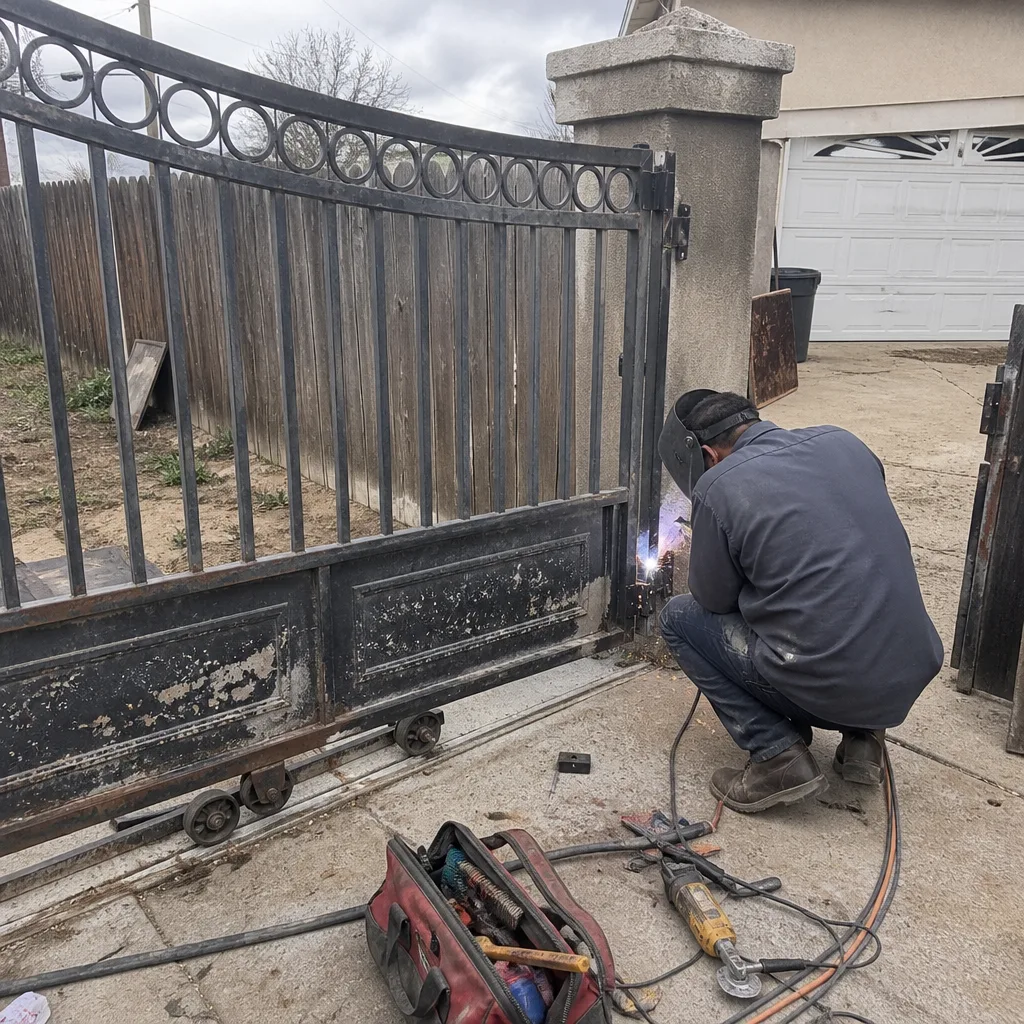 Before
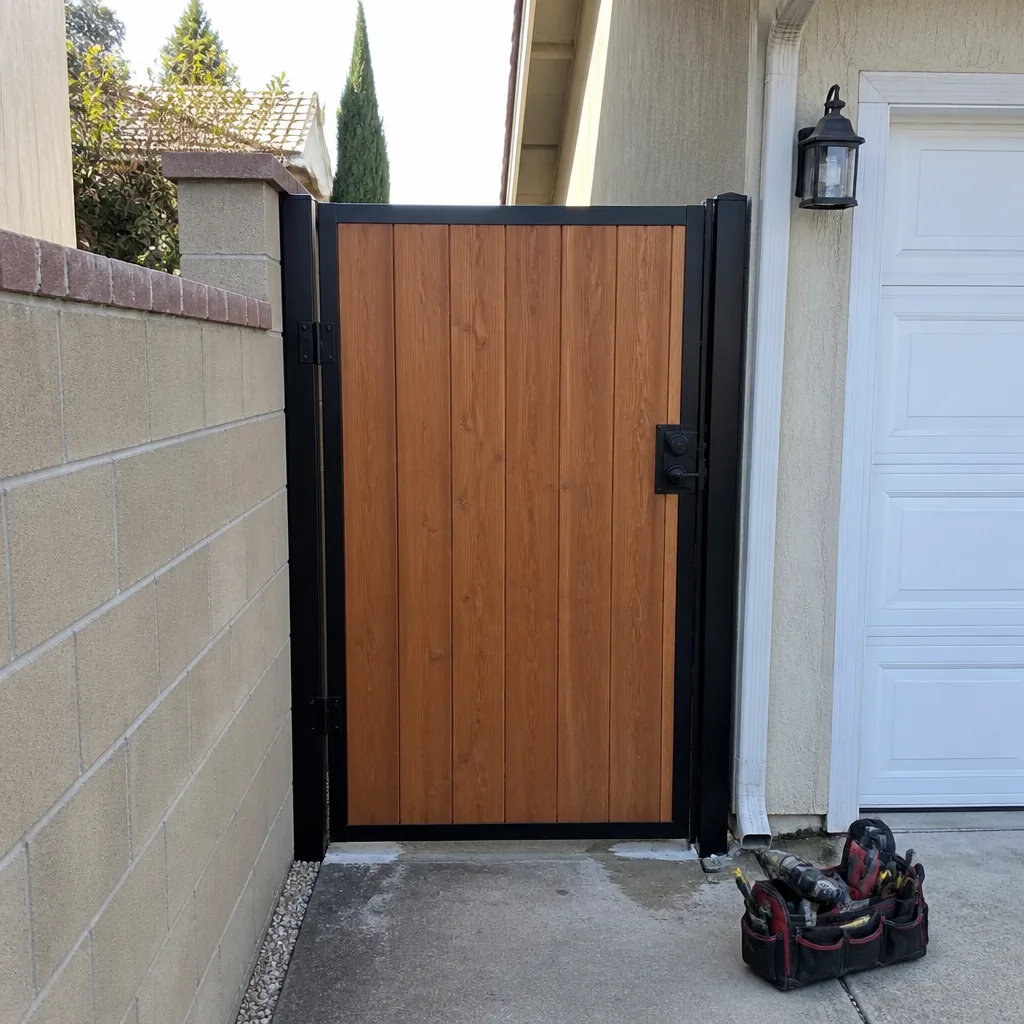 After
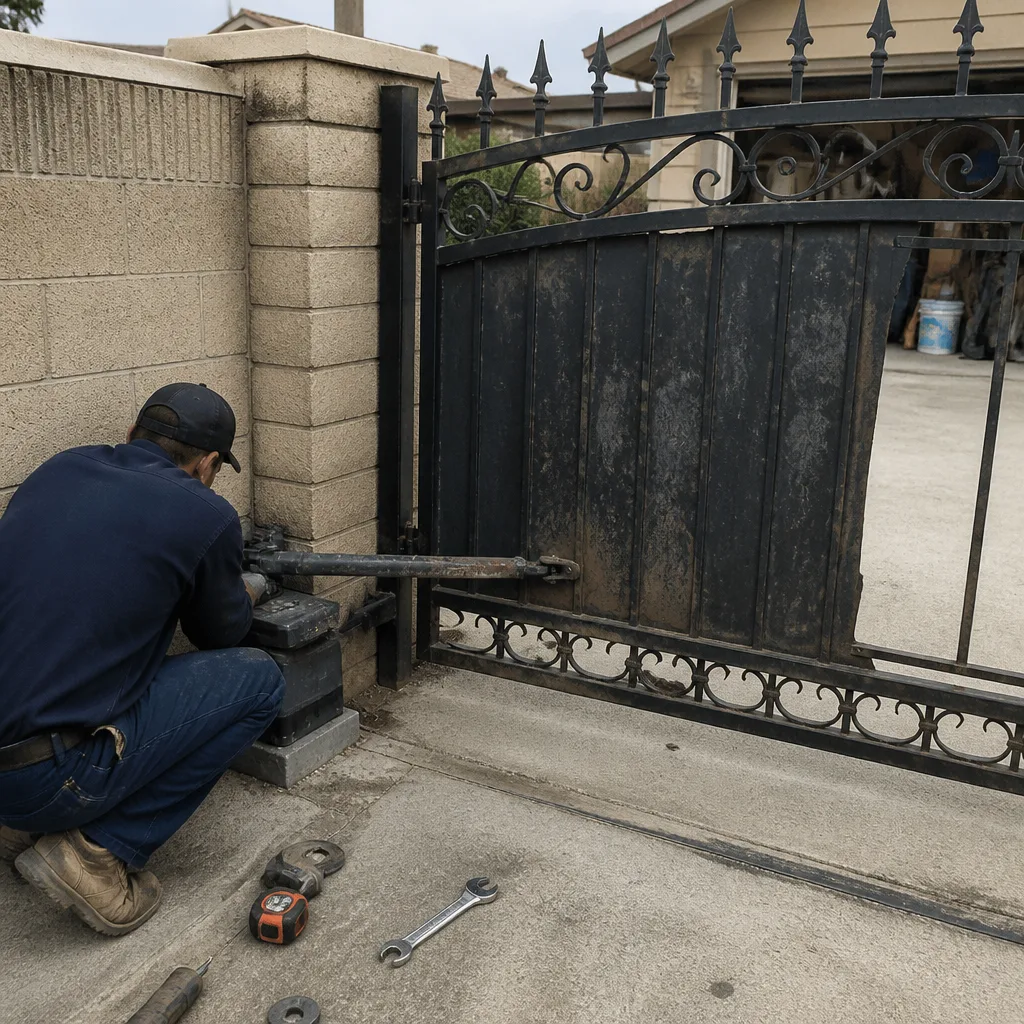 Before
 After
 Before
 After