
Last updated October 31, 2026
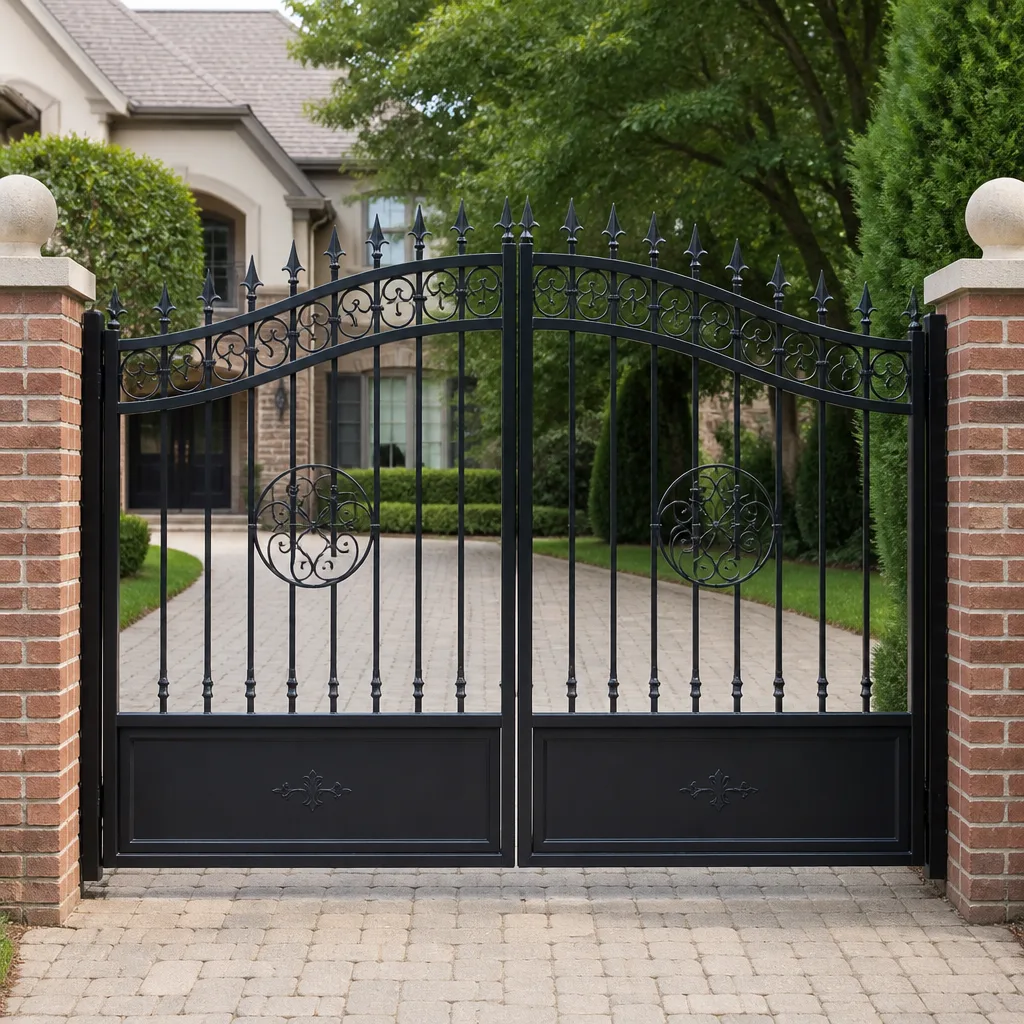 Wrought iron
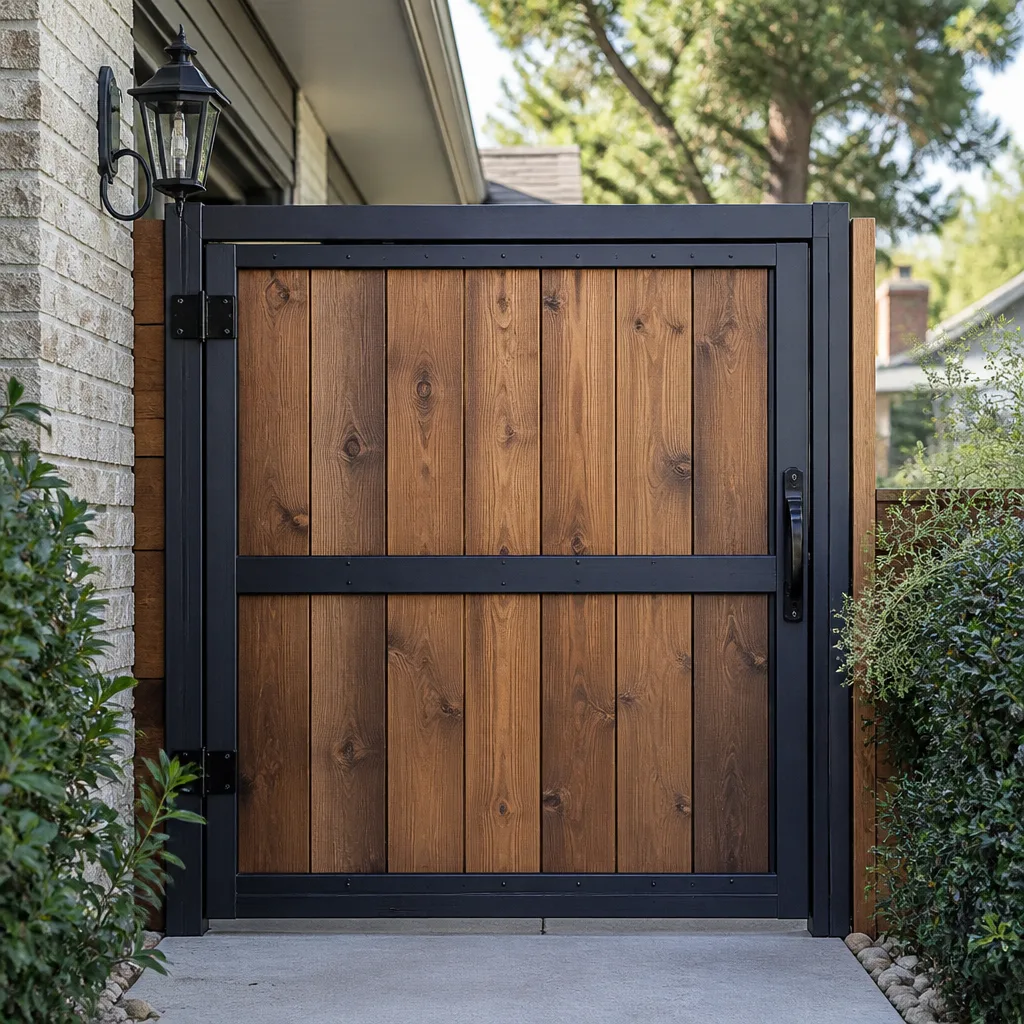 Wood & steel frame
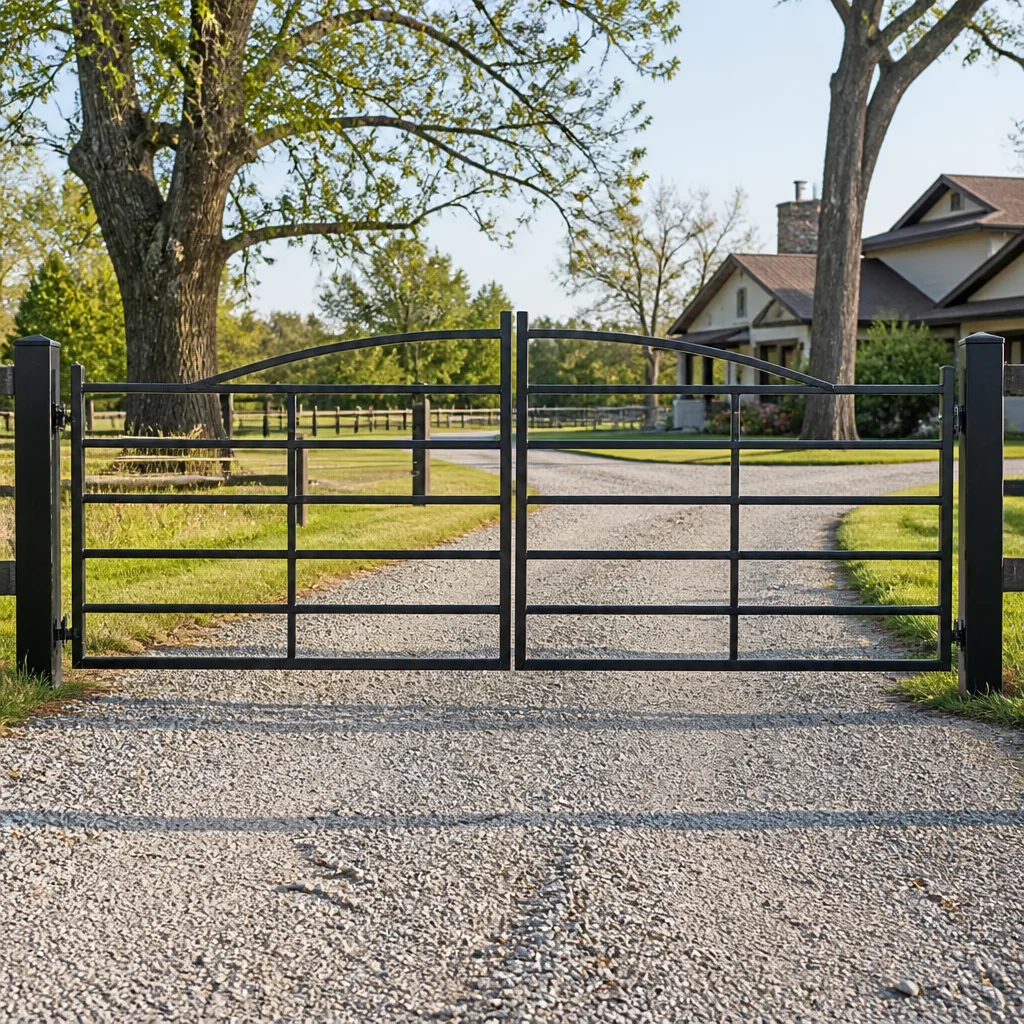 Farm & ranch
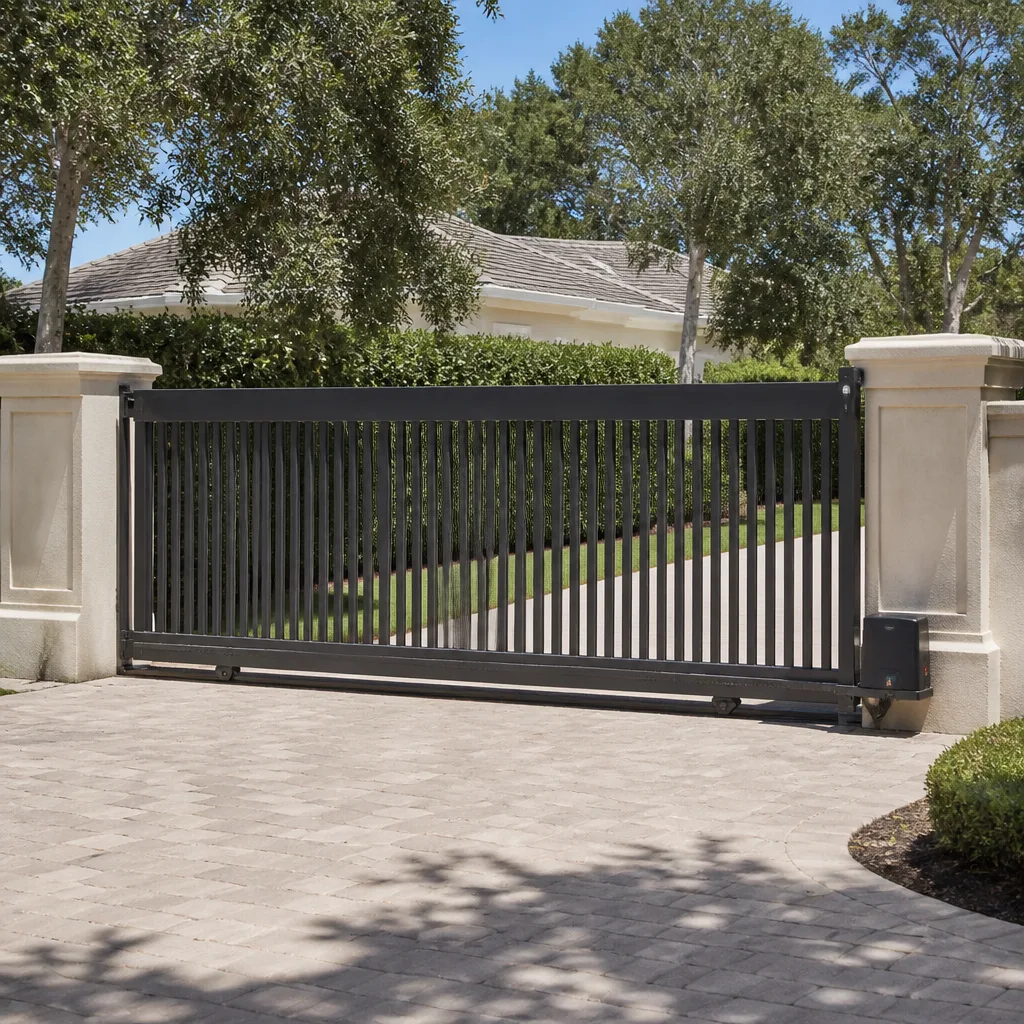 Sliding driveway gates
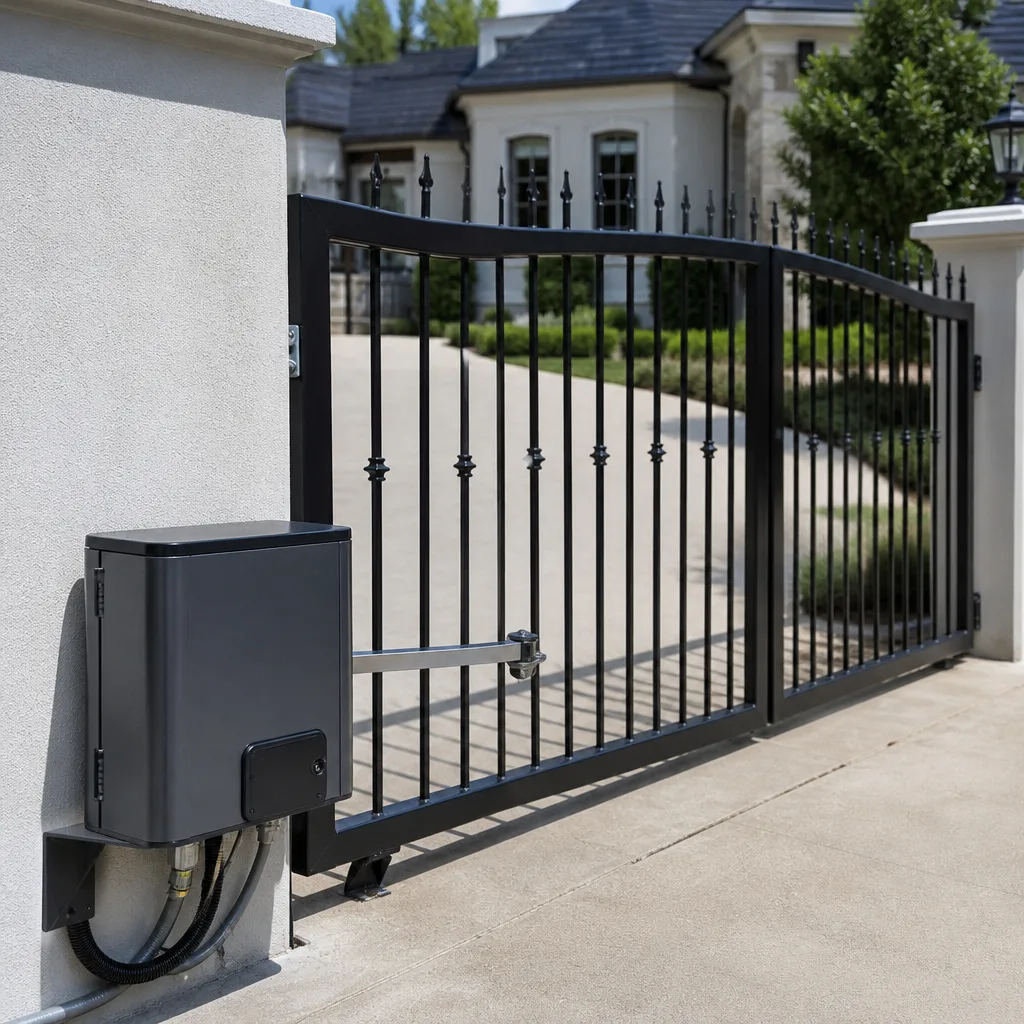 LiftMaster operators
Free on-site gate assessment - hinges, posts, and your LiftMaster or Nice gate operator checked before anything is quoted
The assessment is free and the quote is the invoice.
Get your free estimateSeasonal Gate Repair Care for Fontana: Year-Round Homeowner’s Guide
Most gate care guides you’ll find online are written for places with four actual seasons. Fontana doesn’t play that game. What we get instead is a heat cycle that lasts from May through October, a Santa Ana wind season that hits the eastern basin hard in fall, and a short wet period that catches homeowners off guard precisely because it’s so brief. Each of these local patterns stresses automated gate hardware in ways that are predictable once you know what to look for. This guide maps maintenance to Fontana’s real climate calendar so you can schedule care before the damage happens, not after. If you own a swing gate or slide gate in Fontana, the information here will save you money and downtime.
Styles & brands we work with
Quick Answer
Seasonal gate care in Fontana means adjusting your maintenance schedule around three distinct stress periods: extreme summer heat that expands metal and overheats control boards, fall Santa Ana winds that push gates beyond their rated lateral load capacity, and brief winter rains that expose cracks in welds and footings that dry months hid. The core tasks are checking battery backups in May, inspecting hinge posts and motor mounts in September, and sealing exposed metal after any rain event.
Table of Contents
- Fontana’s Heat Cycle: What 100°+ Days Do to Your Gate
- Pre-Summer Protocol: May Checklist Before the Heat Arrives
- Santa Ana Wind Season: Preparing for Lateral Stress
- Post-Rain Inspection: What the Wet Period Reveals
- UV and Thermal Cycling: Fontana’s Hidden Metal Fatiguer
- Seasonal Motor Adjustments: Travel Limits and Torque Settings
- Common Mistakes to Avoid
- When to Call a Professional
- Frequently Asked Questions
- The Bottom Line
Fontana’s Heat Cycle: What 100°+ Days Do to Your Gate
Fontana regularly sees summer temperatures above 100°F, and that heat does not treat gate hardware kindly. The most obvious victim is the control board inside your gate operator. These boards generate their own heat during normal operation, and when ambient temperatures climb past the century mark, the enclosure itself becomes an oven. We’ve opened operator boxes in July that registered over 140°F inside. At those temperatures, capacitors degrade faster, solder joints weaken, and the board’s thermal protection may trigger intermittent shutdowns that look like electrical gremlins but are really just heat stress.
Metal expansion is the second piece. A steel swing gate that measures 12 feet on a January morning might measure 12 feet plus a quarter inch on an August afternoon. That doesn’t sound like much, but it changes how the gate sits on its hinges, how the latch aligns, and how much resistance the motor encounters. If your gate starts scraping or binding in summer but behaved fine all spring, thermal expansion is usually the culprit more often than a mechanical failure.
The heat cycle also accelerates wear on rubber and plastic components. Edge sensors, photo eye housings, and the rubber stops that cushion the gate at full open or full close all get brittle faster in Fontana’s summers. A rubber stop that cracks and falls off in June means metal-on-metal contact for the next four months, which transfers shock load directly into the operator gear train.
What to watch for during Fontana’s heat cycle:
- Intermittent failure to open or close on the hottest afternoons
- Visible warping or a gate that sits differently in the closed position
- Cracked or missing rubber stops at the open and close positions
- Operator housing that’s hot to the touch
- Scraping sounds that only appear during the hottest part of the day
None of these are cosmetic. Each one is a sign that heat is doing structural work on your gate system, and the fix is almost always cheaper if you catch it before October. For a deeper look at how these issues play out across Fontana’s neighborhoods, see our guide to Gate Repair in Fontana.
Pre-Summer Protocol: May Checklist Before the Heat Arrives
By mid-May, Fontana’s daytime highs are already pushing into the 90s. That makes the first two weeks of May the right window for a pre-summer gate checkup. This isn’t a cosmetic wash and wax job. It’s about three things that fail predictably when the real heat lands: battery backups, control board ventilation, and rubber seals.
Step 1: Test the Battery Backup
Automated gates with battery backup systems rely on those batteries during power outages, but the batteries themselves age faster in heat. If your gate operator has a battery backup, Test it in May, before the heat arrives, not during an outage. Disconnect the main power supply temporarily and run the gate through a full open and close cycle on battery alone. If the gate moves slowly, stalls, or won’t complete the cycle, the batteries are degraded. Most backup batteries in Fontana’s climate last three to five years, and May is the right time to replace them so they’re fresh for summer outage season.
Step 2: Clear the Control Board Ventilation
Operator enclosures often have small vents or louvers designed to allow some air movement. Check that these aren’t blocked by dust, cobwebs, or debris. Fontana’s dry air means fine dust accumulates quickly, and a quarter inch of dust on a heat sink reduces its efficiency significantly. Gently clear vents with compressed air or a soft brush. Never use water on or near a control board. If the enclosure lacks ventilation entirely, consider whether it’s mounted in direct afternoon sun. A west-facing wall in Fontana receives brutal late-day heat, and some operators fail simply because they’re mounted on the wrong side of the house.
Step 3: Inspect Every Rubber Seal
Rubber seals are your first line of defense against dust intrusion, and dust intrusion is a persistent Fontana reality. Check the seal around the operator enclosure door, any grommets where wiring enters the box, and the rubber stops on the gate frame itself. If any seal is cracked, stiff, or missing, replace it now. Rubber that survives May will usually make it through September. Rubber that’s already compromised in May will be dust by August.
May Pre-Summer Checklist:
- Run a full battery backup test cycle
- Clear all ventilation openings on the operator enclosure
- Inspect and replace cracked rubber seals and stops
- Check that the operator enclosure is not in direct afternoon sun
- Listen for unusual motor strain while the gate cycles
If your gate has an electric operator and you’re not comfortable running these checks yourself, a specialist can complete the full pre-summer protocol in under an hour. See Electric Gate Repair in Fontana for more on what’s involved.
Santa Ana Wind Season: Preparing for Lateral Stress
Santa Ana winds are the most underrated gate killer in Fontana. These winds blow from the northeast, channeling through the Cajon Pass and across the eastern basin with gusts that regularly reach 40 to 60 miles per hour. A 12-foot swing gate in the fully open or fully closed position acts like a sail. The lateral stress load on the hinge post, the hinges themselves, and the operator arm can briefly exceed the hardware’s rated capacity.
Most homeowners assume that if the wind hasn’t knocked their gate over, everything is fine. That’s the wrong way to think about it. Wind damage is cumulative. Each high-wind event applies stress that can start hairline fractures in welds, loosen anchor bolts, or bend the gate frame slightly out of alignment. By the time you notice the gate sagging, the damage has been building for multiple wind seasons.
How to Assess Your Swing Gate’s Wind Readiness
In September, before the Santa Ana pattern typically starts, walk through this assessment:
- Check the hinge post for movement. Push against the gate near the hinge side with moderate force. Watch the post itself, not the gate panel. If the post flexes even slightly, the anchors or the footing are compromised.
- Inspect every weld on the gate frame. Look for hairline cracks, rust staining around weld joints, or paint that’s flaking in a pattern that suggests metal fatigue underneath.
- Test the operator arm connection points. The bracket where the operator arm attaches to the gate and the bracket where it attaches to the post are both high-stress points in wind events. Look for elongated bolt holes or worn bushings.
- Listen for wind rattle. On a breezy day, stand near the gate and note any rattling. Rattling means loose components are transferring vibration through the system, which accelerates wear.
- Verify the gate stops in the correct position. A gate that slams hard against its stops is transmitting shock load through the operator every cycle. A gate that doesn’t quite reach the stops leaves the operator holding tension, which shortens its life.
If you find movement at the post or cracked welds, address them before the winds peak. The gate hardware on most residential systems in Fontana is rated for normal daily use, not repeated exposure to 50 mph gusts. A reinforcement plate or additional anchor can make a significant difference, and it costs a fraction of what a full gate replacement costs.
This is also a good time to verify that your gate operator’s obstruction sensor is functioning. A gate that reverses when it encounters resistance is less likely to suffer wind-related operator damage because the motor isn’t fighting against impossible loads.
Post-Rain Inspection: What the Wet Period Reveals
Fontana gets most of its annual rainfall between December and March, and in a typical year that means ten to fifteen inches total. By national standards, that’s dry. But for a gate that sat in dry-cycle compression for eight months, even a short wet period does meaningful work. The ground swells slightly, concrete footings shift a fraction of an inch, and welded joints that developed micro-cracks during the dry season suddenly have water introduced to them.
After the first significant rain of the season, inspect two things: welded joints and concrete footings.
Welded Joints
During Fontana’s long dry spell, metal contracts and expands daily with the temperature swing between night and afternoon. That daily thermal cycling can start hairline fractures at weld points. You won’t see these fractures when the metal is dry because there’s nothing to highlight them. After rain, water seeps into any crack and leaves a visible rust line. Walk the entire gate frame and look for thin orange or brown lines radiating from any weld. If you find them, the weld is compromised and should be repaired before the crack propagates through the structural member.
Concrete Footings
The concrete footings that anchor gate posts sit in soil that contracts during Fontana’s dry months and swells when rain arrives. That movement can cause a footing to shift, leaving a visible gap between the concrete and the surrounding soil. A small gap is normal. A gap wider than a quarter inch, or a post that’s now visibly out of plumb, needs attention. The fix usually involves re-leveling and re-anchoring before the post begins to lean.
The short wet period also exposes another issue: drainage. If water pools around the base of your gate posts or the operator pedestal, it’s slowly undermining the footing every year. Fontana’s clay-heavy soil drains poorly, so even a modest rain can leave standing water for days. A drainage correction now prevents a structural problem in five years.
UV and Thermal Cycling: Fontana’s Hidden Metal Fatiguer
Fontana’s low annual humidity creates a false sense of security about rust. Homeowners look at their gate, see no rust, and assume the metal is in good condition. But UV radiation and daily thermal cycling do structural damage that rust never gets a chance to reveal in Fontana’s climate.
Metal expands when it heats and contracts when it cools. In Fontana, the temperature swing between a summer night and a summer afternoon can be 30 to 40 degrees. Multiply that by 180 days of summer weather and the metal in your gate is going through hundreds of expansion and contraction cycles every single year. Each cycle applies stress at the points where the metal is constrained: welds, bolt holes, and the junction between the gate panel and the gate frame.
UV radiation attacks the finish. Powder coating and paint break down under sustained UV exposure, and once the finish is compromised, the underlying metal is exposed to whatever moisture does arrive during the wet period. What looks like a cosmetic fading problem on a five-year-old Fontana gate is often the start of structural surface degradation.
The practical takeaway: in Fontana, you inspect for cracks and finish failure even when you don’t see rust. A gate with faded paint in September will have active corrosion by February, because the wet period will find every exposed section of metal. Recoating or touching up the finish in October, before the rains arrive, is the highest-value preventive step most Fontana homeowners skip.
Seasonal Motor Adjustments: Travel Limits and Torque Settings
Your gate operator has adjustable travel limits and torque or force settings, and these settings should not be static year-round. Thermal expansion changes the physical dimensions of the gate, and that changes how much force the motor needs to move it. A torque setting calibrated in January when the metal is contracted will be too high in August when the gate is expanded and binding slightly. A too-high torque setting means the gate will keep pushing against an obstruction rather than reversing, which is a safety issue.
Here’s the adjustment pattern we recommend for Fontana:
- Adjust travel limits twice a year. Once in May as the heat season begins, and once in November as the gate settles into its cold-season dimensions. Setting the open and close limits correctly prevents the motor from over-traveling, which reduces shock load at the stops.
- Adjust torque settings in May. As the gate expands and resistance increases, the torque setting needs to account for that additional resistance without being so high that the gate won’t reverse on obstruction.
- Reduce torque settings in November. When the metal contracts and the gate moves more freely, a high torque setting becomes unnecessary and unsafe. Lower it back to the minimum force that reliably moves the gate.
- Test obstruction reversal after every adjustment. Place a small object in the gate’s path and verify the gate reverses on contact. This is not optional.
If you’re not comfortable working with torque settings and the risk of a gate that closes too hard, have a specialist handle these seasonal adjustments. The cost of a service call is far less than the liability of a gate that doesn’t reverse properly when a child or pet is in the path.
We calibrate these settings across all major operator brands, including Ghost Controls, DoorKing, Elite, and Mighty Mule. Different manufacturers use different adjustment interfaces, but the seasonal principle is the same across every platform. For more on what’s involved in electric operator service, see our Electric Gate Repair in Fontana page.
Common Mistakes to Avoid
- Assuming no rust means no damage. In Fontana’s dry climate, UV and thermal cycling do the work that rust does elsewhere. Inspect for cracks and finish failure even when the metal looks clean.
- Setting torque too high to compensate for a binding gate. Cranking up the force setting to push through resistance works temporarily and creates a safety hazard. Fix the binding, don’t mask it with motor force.
- Ignoring the gate stops. Rubber stops degrade in Fontana heat, and when they fail, the operator takes shock load every cycle. Replacing stops is one of the cheapest repairs that prevents expensive ones.
- Skipping battery backup tests. Most homeowners discover their backup batteries are dead during the first power outage. Test them in May, not when the outage hits.
- Waiting until the Santa Anas arrive to inspect hinge posts. By the time high winds expose a loose post, the damage has already accumulated. September is inspection month, not October.
- Treating wind damage as a one-time event. Each Santa Ana event adds cumulative stress. A gate that survived one wind season may not survive the next if small cracks aren’t addressed.
- Ignoring ponding water near gate footings. Fontana’s clay soil drains slowly, and standing water after rain undermines post footings over time. A drainage fix now prevents a leaning post later.
When to Call a Professional
Some gate maintenance is homeowner-appropriate: clearing vents, inspecting seals, testing battery backups. Other issues need a specialist. Call a professional if you find cracked welds, a hinge post that moves under hand pressure, a control board that’s scorched or showing heat damage, a gate that won’t reverse on obstruction despite correct torque settings, or an operator that overheats and shuts down on hot days. These are the failures that indicate structural or electrical problems that will only get worse with time, and attempted DIY repairs on electric operators can produce exactly the kind of injury or property damage that makes a cheap fix expensive. We work on the brand you already have, and our technicians diagnose the actual fault rather than pushing a full-system replacement. Manor Gate Repair offers free estimates in Fontana, call (844) 703-6053.
Frequently Asked Questions
A gate that works in the morning and fails in the afternoon heat is usually dealing with a control board that’s overheating inside its enclosure. Fontana summer temperatures push enclosure interiors past 140°F, triggering thermal protection shutdowns. The fix typically involves improving ventilation or relocating the operator to shade. Call (844) 703-6053 for an inspection and free estimate.
Santa Ana winds apply lateral stress loads that can exceed what residential gate hardware was rated for, causing hairline weld fractures, loosened anchor bolts, and gradual frame misalignment. The damage accumulates over multiple wind seasons. We inspect hinge posts and motor mounts in September, before the winds peak, to catch problems early.
Yes. Thermal expansion changes gate weight and swing resistance throughout the year, so travel limits and torque settings should be recalibrated in May and November. A torque setting that’s correct in winter is too high for summer’s expanded metal and can prevent the gate from reversing on obstruction. Seasonal calibration is part of what we do during Gate Repair in Fontana service calls.
No. Fontana’s low humidity slows rust, but UV radiation breaks down protective finishes and exposes metal to whatever moisture does arrive during the winter wet period. By February, a gate with faded paint in October will show active corrosion. Touch up the finish before the rains arrive, not after the rust appears.
Test the battery backup once a year, in May, before the summer heat and outage season arrives. Run the gate through a full open and close on battery power alone. If the gate stalls or moves slowly, replace the batteries. Most backup batteries last three to five years in Fontana’s heat.
A seasonal inspection covers the operator control board, battery backup, torque and travel limit settings, hinge post stability, weld integrity, rubber stops and seals, and obstruction sensor function. It’s a complete check of the system. For new systems, see Gate Installation in Fontana for details on what’s involved in full replacements when repair isn’t the right call.
The Bottom Line
Fontana gates fail on a schedule tied to the local climate, not to the calendar seasons. The heat cycle stresses control boards and expands metal, the wind season applies lateral loads that accumulate as structural damage, and the short wet period exposes every crack that dry months concealed. If you run the pre-summer protocol in May, the wind readiness assessment in September, and a post-rain inspection after the first real storm, you’ll catch most failures before they become gate-down emergencies. The settings on your operator need seasonal adjustment, and the rubber components need annual replacement. That’s the year-round rhythm that keeps a Fontana gate running. If any of this is outside your comfort zone, we’re here. Call (844) 703-6053 for a free estimate.
Written by the team at Manor Gate Repair, serving Fontana since 2014.
See the difference
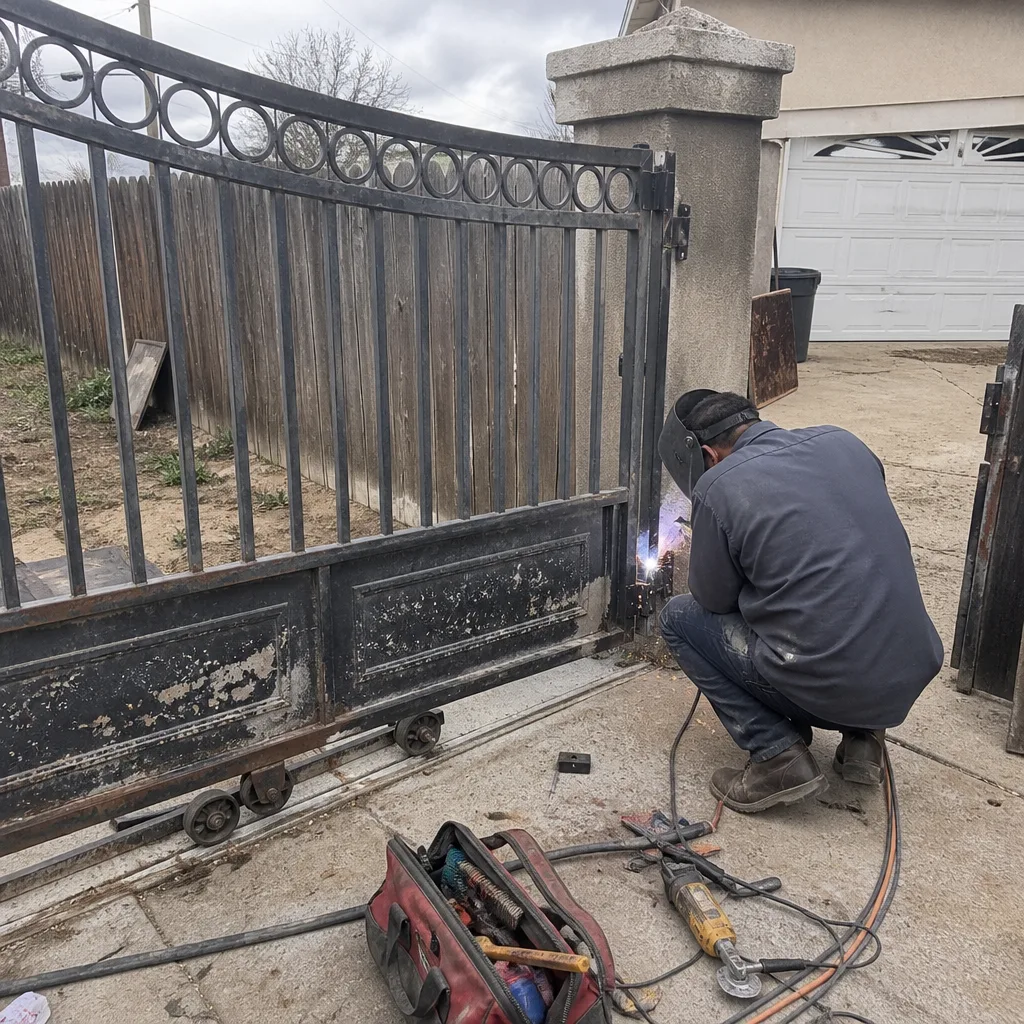 Before
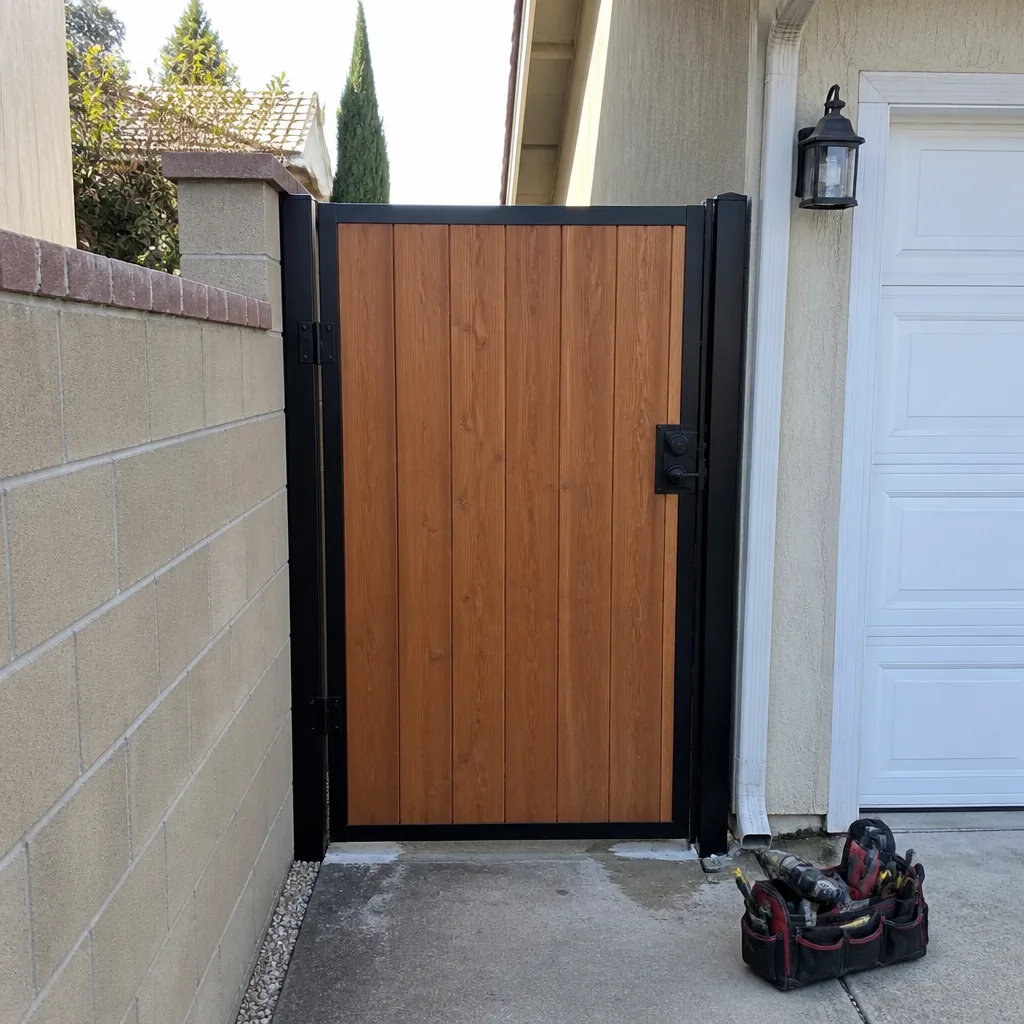 After
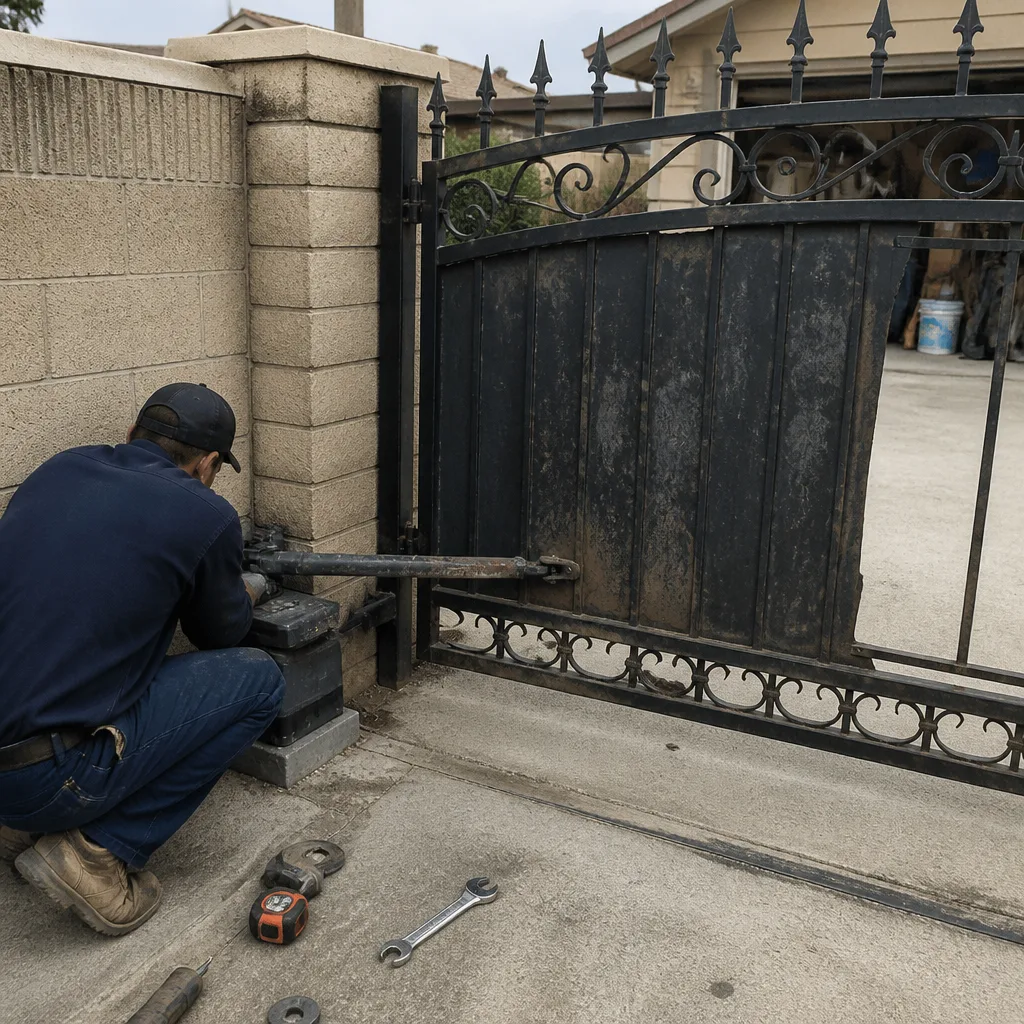 Before
 After
 Before
 After